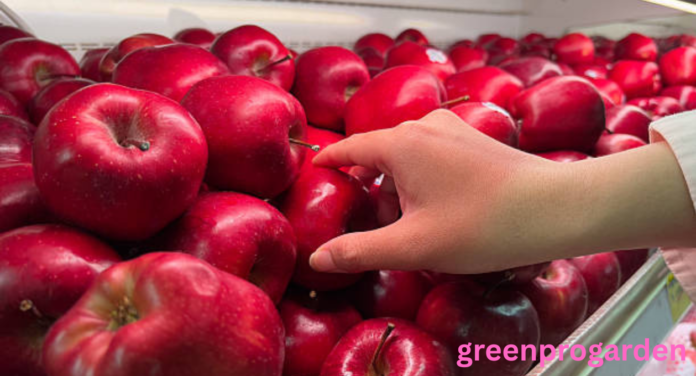
The Cosmic Crisp apple quickly became one of the most talked-about fruit innovations in the agricultural industry. Known for its crisp texture, balanced sweetness, and long shelf life, the apple gained widespread popularity among consumers and retailers. However, alongside its commercial success, the Cosmic Crisp Apple Lawsuit became the center of legal discussions and lawsuits involving intellectual property rights, licensing agreements, and grower regulations.
This article explores the Cosmic Crisp apple lawsuit, its background, key issues, and its potential impact on apple growers and the fruit industry.
What Is the Cosmic Crisp Apple?
The Cosmic Crisp apple is a premium apple variety developed by Washington State University (WSU). It was created by crossing two well-known apple varieties: Honeycrisp and Enterprise. After years of research and development, the apple was officially introduced to the market in 2019.
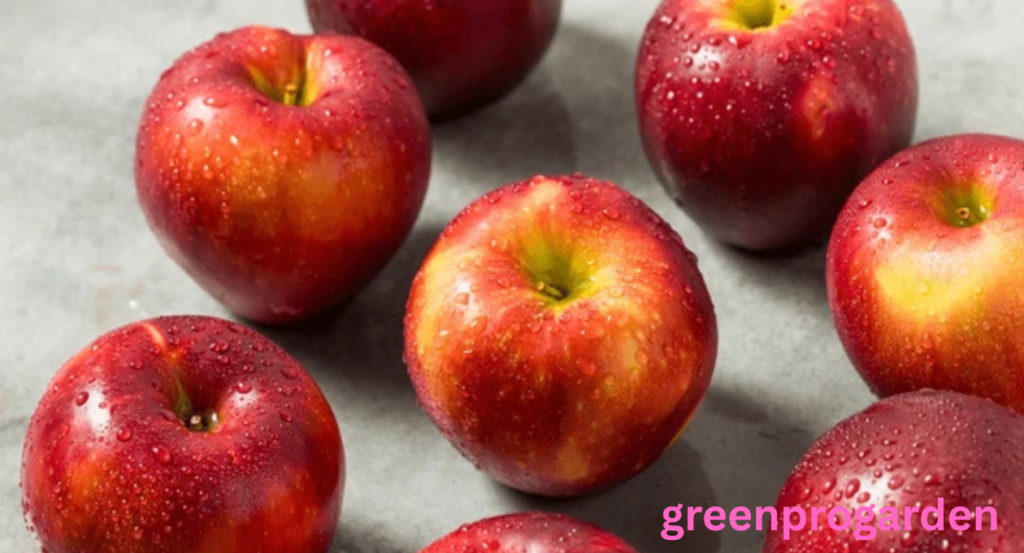
The apple’s name comes from its dark red skin dotted with small white spots resembling stars in a night sky. Its exceptional storage capabilities and flavor profile quickly made it a favorite among consumers.
The Intellectual Property Behind Cosmic Crisp
Unlike traditional apple varieties that are freely grown by farmers, the Cosmic Crisp apple is protected through intellectual property rights.
Plant Patents and Licensing
Washington State University secured patent protection for the Cosmic Crisp variety. This gave the university control over who could grow, propagate, and sell the apple.
Growers interested in producing Cosmic Crisp apples were required to:
- Obtain a license.
- Pay royalty fees.
- Follow specific production guidelines.
- Purchase trees from authorized nurseries.
These protections were designed to help WSU recover development costs and maintain quality standards.
Why Intellectual Property Matters in Agriculture
Agricultural innovation often requires years of research and substantial financial investment. Patent protection encourages universities and private companies to develop new plant varieties by allowing them to benefit financially from their innovations.
However, these protections can also create legal disputes when licensing terms are misunderstood or violated.
The Origins of the Cosmic Crisp Apple Lawsuit
The lawsuit surrounding Cosmic Crisp generally stems from allegations involving unauthorized propagation, licensing violations, or disputes over patent rights.
While legal disputes involving patented fruit varieties are not uncommon, Cosmic Crisp attracted significant attention because of the apple’s commercial value and rapid market growth.
Unauthorized Tree Propagation
One of the most common concerns in patented plant disputes involves unauthorized tree propagation.
Growers may face legal action if they:
- Reproduce patented trees without permission.
- Sell unlicensed plant material.
- Transfer propagation rights to unauthorized parties.
Patent holders aggressively protect these rights because unauthorized propagation can reduce licensing revenue and undermine intellectual property protections.
Licensing Agreement Violations
Licensing agreements establish clear rules regarding how growers may use a patented variety.
Potential violations include:
- Exceeding authorized planting limits.
- Selling fruit outside approved markets.
- Failing to pay required royalties.
- Breaching quality control requirements.
When disputes arise, patent holders may pursue legal remedies to enforce contractual obligations.
How Patent Enforcement Works in the Fruit Industry
Patent enforcement in agriculture operates similarly to patent protection in technology or pharmaceuticals.
Legal Rights of Patent Holders
Patent owners generally have the right to:
- Control propagation of the variety.
- Authorize licensed growers.
- Collect royalties.
- Seek damages for infringement.
When violations occur, legal action may involve cease-and-desist notices, financial penalties, or court proceedings.
Challenges for Growers
Many growers argue that strict licensing systems can create financial and operational challenges.
Some concerns include:
- High royalty fees.
- Limited access to premium varieties.
- Complex contractual obligations.
- Risk of legal exposure for compliance mistakes.
Balancing innovation incentives with grower interests remains an ongoing debate within agriculture.
Economic Impact of the Cosmic Crisp Dispute
The Cosmic Crisp apple represents a significant economic investment for growers, nurseries, distributors, and retailers.
Impact on Growers
Growers who invest in patented varieties often spend substantial amounts on:
- Licensing fees.
- Tree purchases.
- Orchard establishment.
- Marketing programs.
Legal disputes can create uncertainty and additional costs for producers.
Impact on Consumers
For consumers, patent-related lawsuits may indirectly affect:
- Product availability.
- Retail pricing.
- Market competition.
- Introduction of future apple varieties.
Strong intellectual property protections may encourage innovation, but excessive restrictions could potentially limit competition.
Lessons for the Agricultural Industry
The Cosmic Crisp apple lawsuit highlights broader issues facing modern agriculture.
Importance of Contract Compliance
Growers must carefully review licensing agreements before investing in patented crops. Understanding the terms can help avoid costly disputes and legal liabilities.
Growing Role of Agricultural Intellectual Property
As universities and private breeders continue developing new fruit varieties, intellectual property rights will likely become even more important.
Future crop innovations may increasingly rely on:
- Patent protection.
- Licensing programs.
- Royalty-based business models.
- International intellectual property enforcement.
Need for Industry Collaboration
Successful commercialization of new agricultural products requires cooperation among researchers, growers, nurseries, and distributors. Clear communication and transparent licensing structures can reduce conflicts and encourage industry growth.
Conclusion
The Cosmic Crisp apple lawsuit underscores the complex relationship between agricultural innovation and intellectual property protection. While patents and licensing agreements help reward research institutions for developing valuable new crop varieties, they can also lead to disputes when growers fail to comply with licensing requirements or when contractual disagreements emerge.
As the agricultural industry continues to embrace innovation, the lessons learned from the Cosmic Crisp case will likely influence how future fruit varieties are developed, licensed, and protected. For growers, understanding intellectual property rights is becoming just as important as understanding cultivation practices. Meanwhile, consumers can expect that legal protections will continue to play a major role in shaping the future of premium produce in global markets.
Faqs
1. What is the Cosmic Crisp apple lawsuit about?
The Cosmic Crisp apple lawsuit primarily involves disputes related to patent protection, licensing agreements, and the unauthorized propagation of the patented apple variety.
2. Who owns the rights to the Cosmic Crisp apple?
Washington State University (WSU) developed and holds intellectual property rights for the Cosmic Crisp apple variety.
3. Why is the Cosmic Crisp apple patented?
The apple is patented to protect the research investment made in developing the variety and to regulate its commercial production and distribution.
4. Can any farmer grow Cosmic Crisp apples?
No. Growers must obtain a license and comply with specific requirements set by the patent holder before growing Cosmic Crisp apples.
5. What happens if someone grows Cosmic Crisp apples without permission?
Unauthorized propagation or sale of patented trees may result in legal action, financial penalties, or other enforcement measures.

