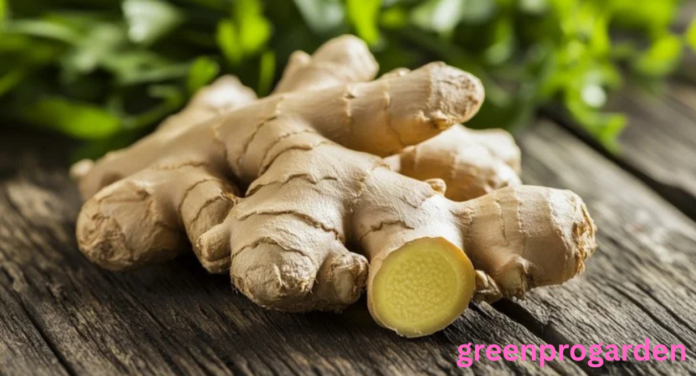
Ginger is one of the most popular spices in the world. It is used in cooking, baking, herbal teas, and traditional medicine. From Asian cuisine to Western desserts, Ginger Shortage Why Supplies Are Low Prices Are Rising an important role in many recipes. However, in recent years, consumers and businesses have experienced a ginger shortage in several regions. Rising prices and limited supplies have raised concerns among shoppers and food manufacturers alike.
This article explains the reasons behind the ginger shortage, its impact on consumers, and what the future may hold for this essential spice.
What Is the Ginger Shortage?
A ginger shortage occurs when the supply of ginger cannot meet market demand. This imbalance leads to higher prices, reduced availability, and disruptions in the food supply chain.
The shortage may affect fresh ginger, dried ginger powder, and processed ginger products. Grocery stores may limit purchases, while restaurants and food companies often struggle to secure enough inventory.
Although shortages can be temporary, repeated supply problems have made ginger a concern in global agricultural markets.
Major Causes of the Ginger Shortage
Several factors contribute to the ginger shortage. These issues often occur simultaneously, creating pressure on growers and suppliers.
Extreme Weather Conditions
Ginger grows best in warm and humid climates. Heavy rains, floods, droughts, and storms can damage crops and reduce harvest yields.
In major ginger-producing countries, changing weather patterns have made farming more difficult. Flooded fields can rot ginger roots, while drought reduces plant growth and overall production.
Climate change is increasing the frequency of these extreme weather events, making ginger farming less predictable.
Plant Diseases and Crop Damage
Ginger crops are vulnerable to diseases caused by fungi and bacteria. Root rot and soft rot are among the most damaging diseases affecting ginger farms.
When disease spreads through a field, farmers may lose a large portion of their harvest. In severe cases, entire farms need to be replanted, which takes time and money.
Pests can also damage ginger plants, reducing quality and limiting the amount available for sale.
Supply Chain Disruptions
Global supply chains have faced many challenges in recent years. Shipping delays, labor shortages, and increased transportation costs have affected agricultural products, including ginger.
When shipments are delayed, stores may experience shortages even if ginger is available in producing countries. Importers often pay higher shipping fees, which are passed on to consumers through increased prices.
Supply chain disruptions can also cause uneven distribution, where some regions have plenty of ginger while others face shortages.
Countries That Produce Most of the World’s Ginger
Several countries dominate global ginger production.
India
India is the world’s largest producer of ginger. The country grows ginger across multiple states and supplies both domestic and international markets.
Weather conditions and crop diseases in India can significantly influence global ginger prices and availability.
China
China is another major producer and exporter of ginger. Chinese ginger is widely sold in supermarkets and wholesale markets around the world.
Any disruption in China’s agricultural production or export system can affect global supply chains.
Nigeria and Other Producers
Countries such as Nigeria, Indonesia, Nepal, and Thailand also contribute to global ginger production.
Although these countries produce large amounts of ginger, they may not always be able to compensate for shortages occurring in major exporting nations.
Effects of the Ginger Shortage
The ginger shortage affects consumers, businesses, and farmers in different ways.
Higher Prices for Consumers
One of the most noticeable effects is rising prices. When supply decreases and demand remains strong, ginger becomes more expensive.
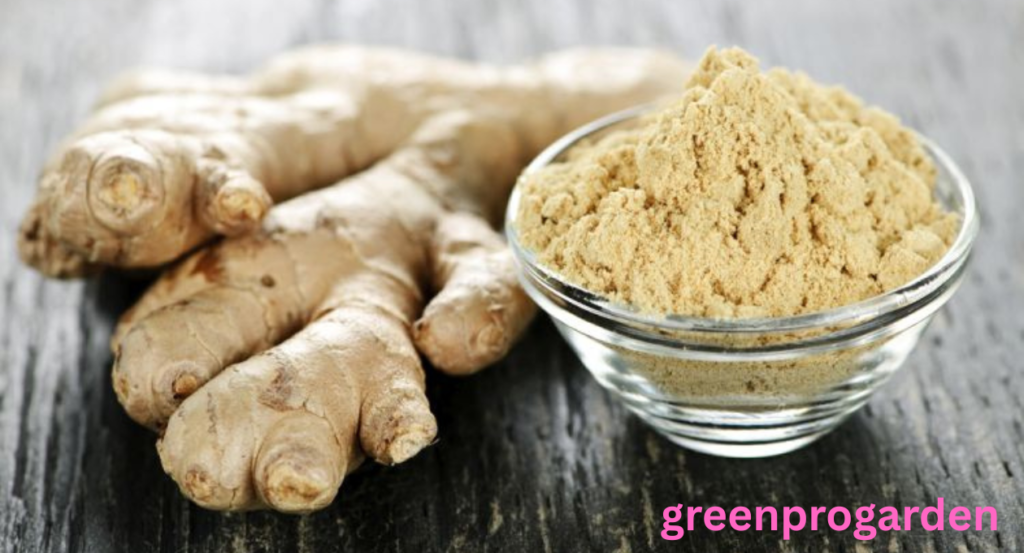
Consumers may pay significantly more for fresh ginger, ginger powder, and ginger-based products. Restaurants and cafes often face increased operating costs as ingredient prices rise.
Reduced Product Availability
Some grocery stores experience empty shelves or limited stock during shortages.
Food manufacturers may temporarily reduce production of ginger-flavored products, including cookies, teas, candies, and health supplements.
This reduced availability can frustrate consumers who regularly use ginger in their daily lives.
Challenges for Restaurants and Food Businesses
Restaurants that rely on ginger for recipes may struggle to maintain consistent menus.
Businesses often need to search for alternative suppliers or pay premium prices to secure enough ginger. Small businesses are especially vulnerable because they may not have long-term supply contracts.
Can Consumers Use Alternatives to Ginger?
Although ginger has a unique flavor, some alternatives can be used in cooking.
Galangal
Galangal belongs to the same family as ginger and offers a spicy, citrus-like flavor. It is commonly used in Southeast Asian cuisine.
Turmeric
Turmeric provides earthy flavors and health benefits similar to ginger. While it does not taste exactly the same, it can replace ginger in some recipes.
Ground Spices
Cinnamon, nutmeg, or allspice may help create warmth and spice in baked goods when ginger is unavailable.
However, these substitutes may not fully replicate ginger’s distinctive taste and aroma.
Will the Ginger Shortage Continue?
The future of the ginger market depends on weather conditions, farming practices, and global trade.
If growing conditions improve and supply chains stabilize, ginger production could recover. Farmers are also adopting better disease management techniques and modern agricultural methods to increase yields.
However, climate change and rising production costs remain long-term challenges. Because of these uncertainties, occasional shortages and price fluctuations may continue in the coming years.
Conclusion
The ginger shortage is the result of several interconnected factors, including extreme weather, crop diseases, and supply chain disruptions. These challenges have increased prices and reduced availability in many parts of the world.
Despite these difficulties, farmers and suppliers continue to adapt by improving farming methods and expanding production. While consumers may face temporary shortages or higher prices, the global ginger industry is working to create a more stable and reliable supply.
Understanding the causes of the ginger shortage helps consumers make informed purchasing decisions and appreciate the complex journey this important spice takes from farm to kitchen.
Faqs
1. Why is there a ginger shortage?
The ginger shortage is mainly caused by extreme weather, crop diseases, and supply chain disruptions. Floods, droughts, and transportation delays have reduced the amount of ginger available in many markets.
2. Has the price of ginger increased?
Yes, ginger prices have increased in many countries due to lower supply and strong consumer demand. Transportation and production costs have also contributed to higher prices.
3. Which countries produce the most ginger?
India is the world’s largest ginger producer, followed by China. Other important producers include Nigeria, Indonesia, Thailand, and Nepal.
4. Is fresh ginger harder to find during a shortage?
Yes, fresh ginger is often the first product affected. Grocery stores may have limited supplies, and some regions may experience temporary shortages.
5. Are ginger powder and ginger tea also affected?
Yes, products made from ginger, such as ginger powder, tea, candies, and supplements, can also become more expensive or less available during a shortage.

