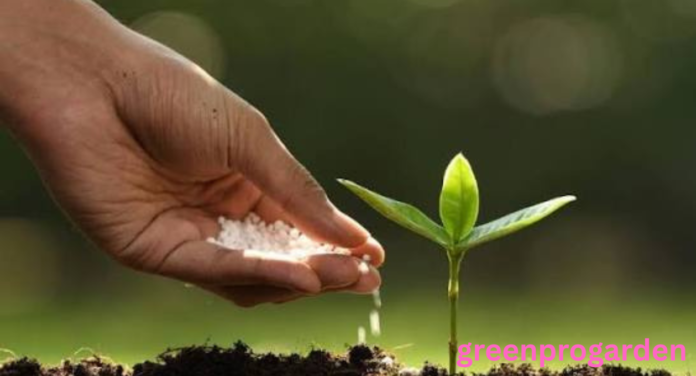
Weeds are one of the biggest challenges for gardeners and homeowners. They compete with flowers, vegetables, and lawns for nutrients, water, and sunlight. Many people look for natural weed killers instead of chemical herbicides, and one popular suggestion is Epsom salt. But Does Epsom Salt Kill Weeds?
The short answer is: Epsom salt alone is not an effective weed killer. While it may stress some plants under certain conditions, it is not a reliable solution for eliminating weeds permanently. Understanding how Epsom salt works can help you choose the best method for weed control.
What Is Epsom Salt?
Epsom salt is a naturally occurring mineral compound made of magnesium and sulfur. Its chemical name is magnesium sulfate. Gardeners often use it to improve soil that lacks magnesium, encourage greener leaves, and support plant growth.
Unlike table salt, Epsom salt does not contain sodium, which is the ingredient responsible for drying out plants and making soil unsuitable for growth.
Common Uses of Epsom Salt
Epsom salt is often used for:
- Improving magnesium levels in soil
- Helping certain plants grow stronger
- Reducing magnesium deficiency symptoms
- Enhancing flower production in some plants
- Household uses such as bath soaks
However, using it as a weed killer is a different matter.
Does Epsom Salt Kill Weeds?
The simple answer is not effectively.
Epsom salt contains magnesium, which is actually an essential nutrient for plants. In small amounts, it can help plants grow rather than kill them.
If you apply a large amount of Epsom salt directly to weeds, it may cause temporary stress or dehydration. The leaves may wilt or turn brown, but the roots often survive. This means the weeds can grow back within days or weeks.
Why People Think It Works
Many homemade weed killer recipes combine:
- Epsom salt
- Vinegar
- Dish soap
In these mixtures, vinegar is usually the ingredient that damages the weed by burning the leaves. Dish soap helps the solution stick to the plant.
Epsom salt plays a minor role and is not the primary weed-killing ingredient.
Can Epsom Salt Damage Plants?
Yes, excessive use of Epsom salt can harm plants and soil.
Too much magnesium can interfere with the absorption of other important nutrients, including calcium and potassium. Over time, this imbalance may weaken plants rather than help them.
Signs of Excess Epsom Salt
If too much Epsom salt is used, you may notice:
- Yellowing leaves
- Poor plant growth
- Leaf burn
- Soil nutrient imbalance
- Reduced flowering
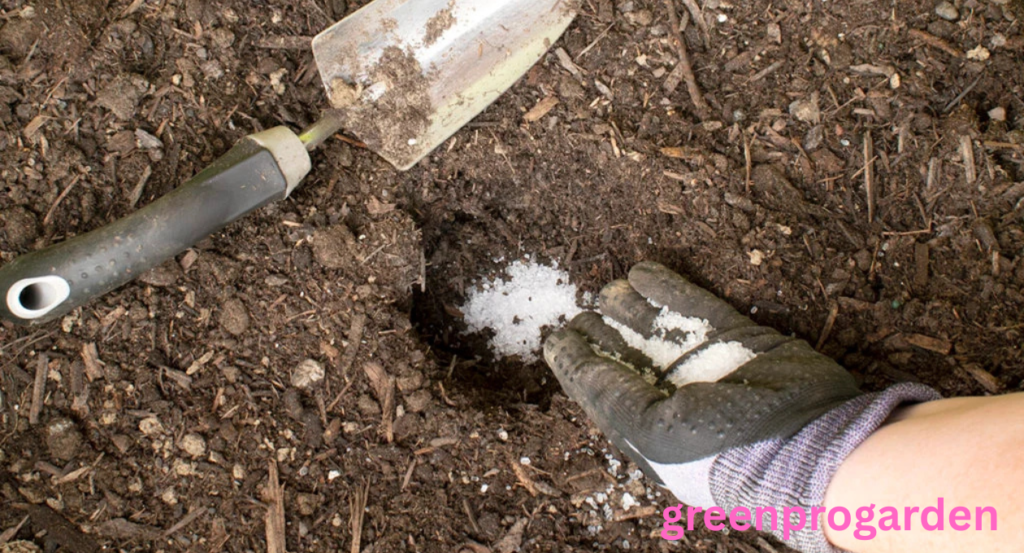
For this reason, gardeners should use Epsom salt only when plants actually need magnesium.
Is Epsom Salt Safe for Gardens?
Epsom salt is generally safe when used correctly.
Because it does not contain harsh chemicals, it is less harmful to pets and people than many commercial herbicides. However, repeatedly applying large amounts can alter soil chemistry and affect nearby plants.
Where You Should Avoid Using It
Avoid using large quantities of Epsom salt:
- Near vegetable gardens
- Around young seedlings
- On lawns
- In containers with limited soil
- Close to plants sensitive to magnesium
Using it sparingly is the best approach.
Better Natural Ways to Kill Weeds
If your goal is to eliminate weeds, there are several more effective methods than Epsom salt.
1. Pull Weeds by Hand
Hand-pulling is one of the safest and most reliable ways to remove weeds.
Make sure to remove the entire root system. This prevents many weeds from growing back.
2. Use Mulch
Mulch blocks sunlight and prevents weed seeds from germinating.
Popular mulch materials include:
- Wood chips
- Straw
- Bark
- Compost
- Grass clippings
A layer of mulch two to three inches thick can dramatically reduce weed growth.
3. Apply Vinegar Carefully
Household vinegar can kill young weeds by burning their leaves.
However, vinegar is non-selective, meaning it can also damage flowers, vegetables, and grass. Always spray carefully and avoid windy days.
4. Boiling Water
Boiling water is a simple and inexpensive weed killer.
Pouring hot water directly onto weeds destroys plant tissue and can kill many weeds growing in cracks or driveways.
This method works best for isolated weeds and areas without desirable plants nearby.
Homemade Weed Killer With Epsom Salt
Many people use the following recipe:
Ingredients
- 1 gallon white vinegar
- 2 cups Epsom salt
- 1 tablespoon dish soap
Instructions
- Mix all ingredients thoroughly.
- Pour the solution into a spray bottle.
- Spray directly on weed leaves.
- Apply on a sunny day for better results.
Remember, the vinegar is doing most of the work. The Epsom salt does not significantly improve the weed-killing ability of the mixture.
Does Epsom Salt Prevent Weeds From Growing Back?
No, Epsom salt does not prevent weeds from returning.
Most weeds spread through:
- Seeds
- Underground roots
- Rhizomes
- Runners
Since Epsom salt does not destroy these systems effectively, weeds often reappear.
Long-term weed control usually requires:
- Regular maintenance
- Mulching
- Proper lawn care
- Removing weeds before they produce seeds
Conclusion
Epsom salt is a popular household product, but it is not the miracle weed killer that many people believe it to be. Although it may cause temporary stress to some weeds, it rarely kills them completely or prevents them from returning. In fact, because Epsom salt contains magnesium, an important plant nutrient, it can sometimes benefit plants rather than harm them.
For long-lasting weed control, gardeners are better off using proven methods such as hand-pulling, mulching, boiling water, or carefully applying vinegar-based solutions. If you choose to use Epsom salt, it is best used as a soil amendment for magnesium-deficient plants rather than as a primary weed killer. Understanding its limitations will help you maintain a healthier, weed-free garden more effectively.
FAQs
1. Does Epsom salt kill weeds naturally?
Epsom salt is a natural mineral, but it is not an effective natural weed killer on its own. It may cause temporary wilting in some weeds, but it usually does not kill the roots.
2. How long does it take for Epsom salt to kill weeds?
If Epsom salt affects weeds at all, you may notice wilting within a few days. However, most weeds recover because their root systems remain alive.
3. Can I mix Epsom salt with vinegar to kill weeds?
Yes, many homemade weed killer recipes combine Epsom salt, vinegar, and dish soap. However, vinegar is the main ingredient that damages weeds, while Epsom salt contributes very little to the weed-killing effect.
4. Is Epsom salt safe around flowers and vegetables?
When used in small amounts, Epsom salt is generally safe. However, excessive use can create nutrient imbalances in the soil and may harm nearby flowers, vegetables, or other desirable plants.
5. Will Epsom salt kill grass?
Large amounts of Epsom salt may weaken or damage grass, but it is not a reliable method for removing lawns or grassy weeds permanently.

