Introduction
Pears are among the most recognizable fruits in the world because of their distinctive bell shape and sweet flavor. However, pears are not the only fruits with this appearance. Several other fruits closely resemble fruit that looks like a pear in size, shape, or color, making them easy to confuse at first glance.
Some pear-like fruits belong to the same botanical family, while others are completely unrelated but share similar physical characteristics. These fruits offer unique flavors, textures, and health benefits that make them worth exploring.
Quince
What Is Quince?
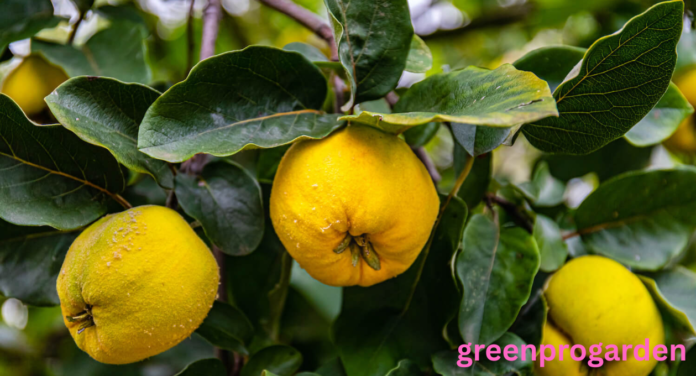
Quince is one of the fruits most commonly mistaken for a pear. It belongs to the same family as apples and pears and has a yellow skin with a rounded bottom and narrow top.
The fruit is firm and highly aromatic. Unlike pears, quince is rarely eaten raw because of its hard texture and tart flavor.
Taste and Uses
When cooked, quince becomes soft, sweet, and fragrant. It is widely used in:
- Jams and jellies
- Fruit pies
- Cakes
- Sauces
- Traditional desserts
Its sweet aroma and beautiful pink color after cooking make it a favorite ingredient in many cuisines.
Asian Pear
Appearance
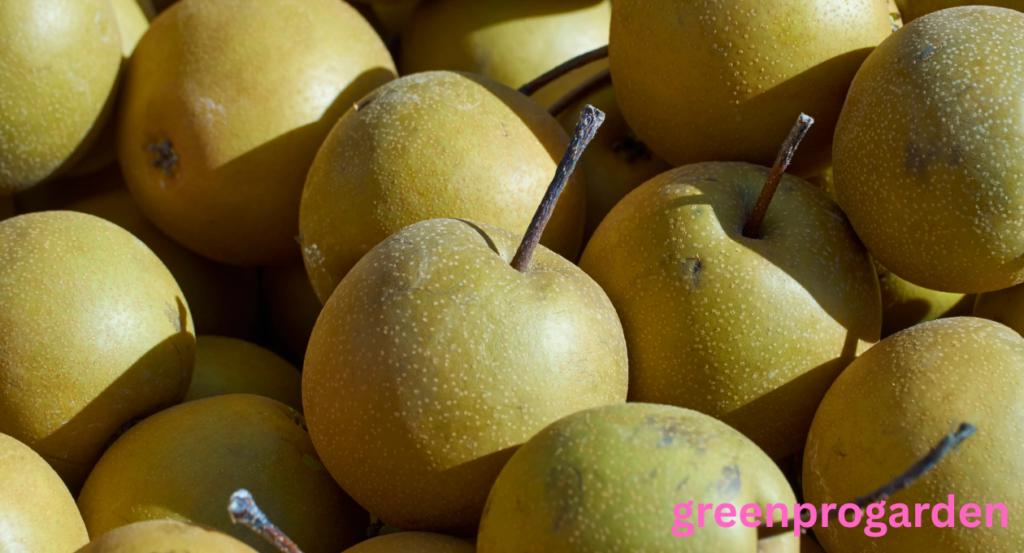
Asian pears are another fruit that resembles traditional pears. They are sometimes called apple pears because they combine the shape of an apple with the texture and flavor of a pear.
Their skin may be yellow, green, or brown, and the flesh is crisp and juicy.
Nutritional Benefits
Asian pears are rich in:
- Dietary fiber
- Vitamin C
- Potassium
- Antioxidants
They are often eaten fresh and are popular in salads and fruit platters.
Chayote
A Pear-Shaped Vegetable Often Mistaken for Fruit
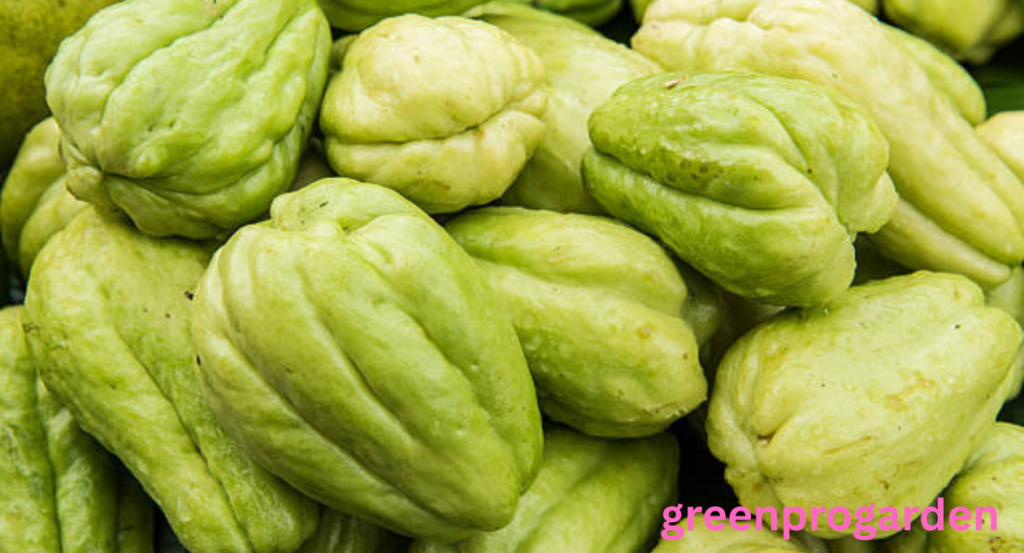
Although chayote is technically a fruit, it is commonly used as a vegetable in cooking. Its green skin and pear-like shape make it look very similar to a large pear.
Chayote belongs to the squash family and is widely grown in tropical and subtropical regions.
Culinary Uses
Chayote can be:
- Boiled
- Stir-fried
- Stuffed
- Roasted
- Added to soups
Its mild flavor allows it to absorb the taste of other ingredients easily.
Avocado
A Fruit with a Pear Shape
Many varieties of avocado have a shape that resembles pears. They feature a wider bottom and a narrower neck, giving them a familiar appearance.
The skin color varies from bright green to dark purple depending on the variety.
Health Benefits
Avocados are known for their healthy fats and impressive nutritional profile. They contain:
- Monounsaturated fats
- Fiber
- Vitamin K
- Folate
- Potassium
Regular consumption of avocados may support heart health and provide long-lasting energy.
Prickly Pear
An Unusual Pear-Like Fruit
Prickly pear is the fruit of certain cactus species. Despite its name, it is not related to the common pear, but its shape inspired its name.
The fruit has colorful skin that can be green, yellow, red, or purple. Inside, it contains sweet flesh and many tiny seeds.
Flavor and Uses
Prickly pear tastes mildly sweet with hints of watermelon and berries.
It is commonly used in:
- Juices
- Smoothies
- Jams
- Candies
- Desserts
Its vibrant color and refreshing flavor make it popular in warm climates.
Bosc Pear
A Unique Variety of Pear
Bosc pear is an actual pear variety but stands out because of its distinctive appearance. It has a long neck and brownish skin that differs from the smooth green or yellow skin of common pears.
Its flesh is dense, sweet, and aromatic.
Best Ways to Eat Bosc Pears
Bosc pears are excellent for:
- Baking
- Roasting
- Grilling
- Eating fresh
- Adding to salads
Their firm texture allows them to hold their shape during cooking.
Papaya
Similar Shape to Large Pears
Some small varieties of papaya resemble oversized pears because of their elongated shape and tapered end.
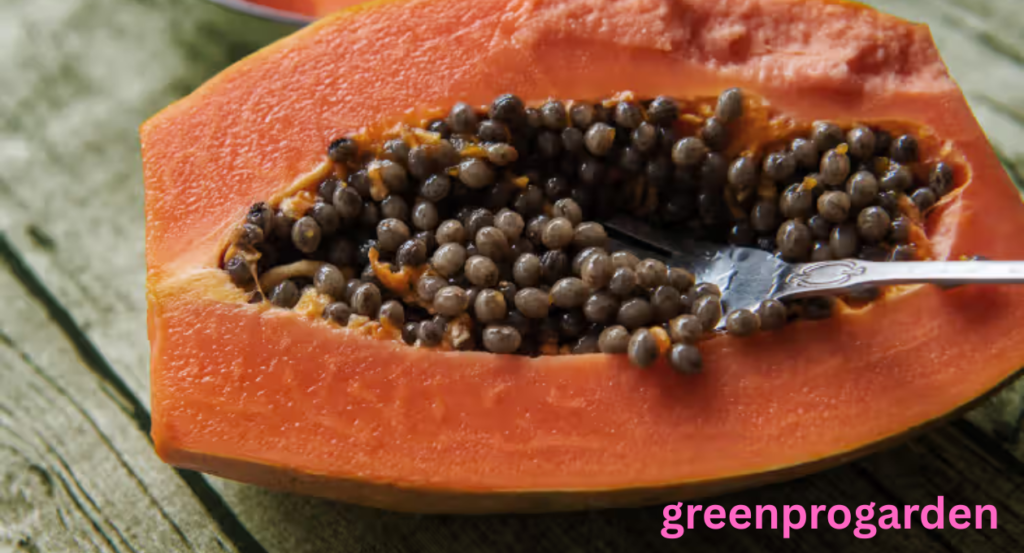
Papaya has smooth green or yellow skin and bright orange flesh filled with black seeds.
Nutritional Value
Papaya is rich in:
- Vitamin C
- Vitamin A
- Folate
- Fiber
- Antioxidants
The fruit also contains papain, an enzyme that helps digest proteins and supports digestive health.
Why Do Some Fruits Look Like Pears?
Similar Evolutionary Traits
Many fruits develop a pear-like shape because it offers advantages for seed protection and growth. A wider base provides room for seeds, while a narrower top connects efficiently to the stem.
These similarities may occur even among fruits that are not closely related.
Shared Plant Families
Some pear-like fruits belong to the same botanical family as pears. Quince and Asian pears, for example, are related and naturally share similar shapes and structures.
Other fruits, such as avocado and prickly pear, simply evolved similar appearances despite having very different origins.
Conclusion
Many fruits around the world look like pears, but each has its own unique characteristics. Quince is famous for its fragrance and cooking qualities, Asian pears are crisp and juicy, avocados are packed with healthy fats, and prickly pears offer vibrant colors and refreshing flavors.
Exploring these pear-like fruits can introduce you to new tastes, textures, and nutritional benefits. Whether you enjoy them fresh, cooked, or blended into recipes, these fruits prove that appearances can be deceiving and delicious at the same time.
Faqs
1. What fruit looks like a pear but is not a pear?
Several fruits resemble pears, including quince, chayote, avocado, and prickly pear. These fruits have a similar shape but differ in taste, texture, and nutritional value.
2. Is quince the same as a pear?
No, quince is not the same as a pear. Although both belong to the same plant family and have a similar appearance, quince is firmer, more aromatic, and is usually eaten cooked rather than raw.
3. Which fruit is called an apple pear?
Asian pear is commonly known as an apple pear because it combines the crisp texture of an apple with the sweet flavor of a pear. It is usually rounder than traditional pears.
4. Is avocado a pear?
Avocado is not a pear, but many avocado varieties have a pear-like shape. In fact, avocados were once commonly called “alligator pears” because of their shape and rough skin.
5. What does prickly pear taste like?
Prickly pear has a mildly sweet flavor that is often compared to a mix of watermelon, berries, and kiwi. It is commonly used in juices, jams, and desserts.

