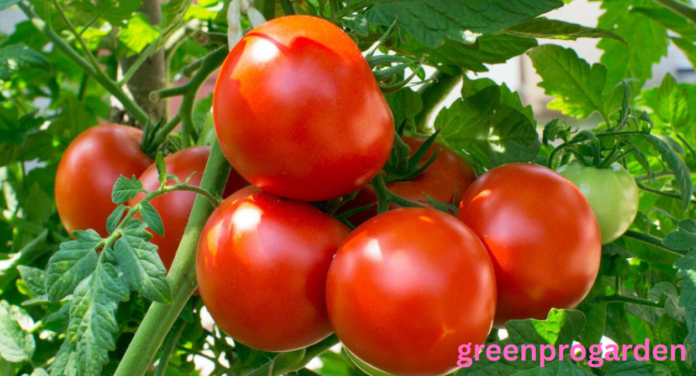
When you first see a persimmon, you might mistake it for a tomato. Its bright orange-red color, smooth skin, and round shape closely resemble a ripe Fruit That Looks Like a Tomato. However, persimmon is a delicious fruit known for its sweet flavor, rich nutritional value, and numerous health benefits. This unique fruit has been enjoyed for centuries in many parts of the world and is becoming increasingly popular among health-conscious consumers.
What Is a Persimmon?
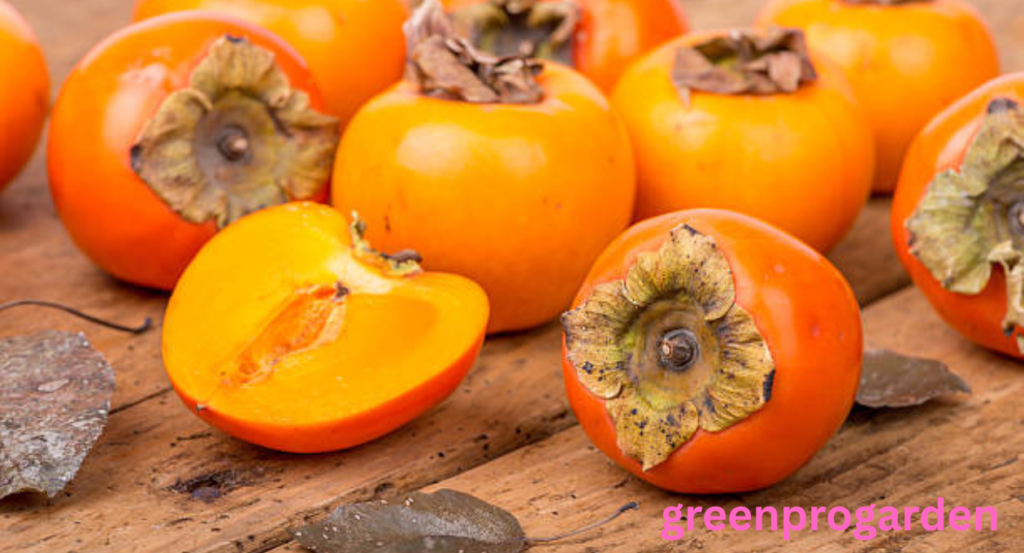
Persimmon is a sweet fruit that grows on trees belonging to the Diospyros genus. Native to Asia, particularly China, Japan, and Korea, persimmons are now cultivated in many countries around the world.
The fruit typically has a vibrant orange or reddish-orange color and a shape that resembles a tomato. Depending on the variety, persimmons can range from small to large sizes and may have different textures and flavors.
Why Does Persimmon Look Like a Tomato?
The resemblance between persimmons and tomatoes often causes confusion among shoppers. Both fruits share several visual characteristics:
- Round or slightly flattened shape
- Smooth, shiny skin
- Bright orange to red coloration
- Similar size and appearance
Despite these similarities, persimmons grow on trees, while tomatoes grow on vines. Additionally, persimmons are much sweeter and contain no tomato-like acidity.
Types of Persimmons
There are several varieties of persimmons, but two are the most commonly available.
Fuyu Persimmon
Fuyu persimmons are non-astringent, meaning they can be eaten while still firm. They have a crisp texture similar to an apple and a naturally sweet flavor.
Hachiya Persimmon
Hachiya persimmons are astringent and should only be eaten when fully ripe. When ripe, they become soft and jelly-like with an intensely sweet taste.
Nutritional Value of Persimmons
Persimmons are packed with essential vitamins, minerals, and antioxidants that support overall health.
A typical serving contains:
- Vitamin A
- Vitamin C
- Potassium
- Manganese
- Fiber
- Antioxidants
These nutrients help strengthen the immune system, support eye health, and improve digestion.
Health Benefits of Persimmons
Adding persimmons to your diet can provide several health benefits.
Supports Heart Health
Persimmons contain antioxidants and fiber that may help reduce cholesterol levels and support healthy blood circulation. Their potassium content also contributes to maintaining healthy blood pressure.
Boosts Immune Function
Vitamin C plays a key role in supporting the immune system. Regular consumption of persimmons can help the body fight infections and maintain overall wellness.
Improves Digestive Health
The dietary fiber found in persimmons promotes healthy digestion and helps prevent constipation. Fiber also supports gut health by encouraging beneficial bacteria growth.
Promotes Healthy Vision
Persimmons are rich in vitamin A and carotenoids, nutrients that are essential for maintaining good eyesight and protecting the eyes from age-related damage.
How to Eat a Persimmon
Persimmons are versatile and can be enjoyed in various ways.
Eat Them Fresh
Fuyu persimmons can be sliced and eaten like apples. They make a convenient and healthy snack.
Add to Salads
Persimmon slices add natural sweetness and vibrant color to green salads.
Blend Into Smoothies
Ripe persimmons can be blended into smoothies for a creamy texture and naturally sweet flavor.
Use in Desserts
Persimmons work well in cakes, muffins, puddings, and fruit tarts. Their sweet taste often reduces the need for added sugar.
How to Choose and Store Persimmons
When shopping for persimmons, look for fruits with smooth skin and bright color. Avoid fruits with large bruises or damaged areas.
For Fuyu persimmons, choose firm fruits. For Hachiya persimmons, allow them to ripen until they become soft before eating.
Store unripe persimmons at room temperature. Once ripe, they can be refrigerated to extend freshness for several days.
Are Persimmons Better Than Tomatoes?
Although persimmons and tomatoes look similar, they serve different culinary purposes. Tomatoes are commonly used in savory dishes, sauces, and salads, while persimmons are enjoyed primarily as sweet fruits.
Persimmons generally contain more natural sugars and a sweeter flavor profile. They also offer high levels of vitamin A and antioxidants, making them a nutritious addition to a balanced diet.
Conclusion
Persimmon is a fascinating fruit that often surprises people because of its tomato-like appearance. While it may look like a tomato on the outside, its sweet taste, unique texture, and impressive nutritional benefits make it completely different. Whether eaten fresh, blended into smoothies, or incorporated into desserts, persimmons offer a delicious and healthy way to enjoy nature’s sweetness. If you’ve never tried this tomato-lookalike fruit, it’s worth adding to your shopping list and discovering its delightful flavor for yourself.
Faqs
1. What fruit looks like a tomato but tastes sweet?
The persimmon is a fruit that closely resembles a tomato in shape and color but has a sweet, honey-like flavor when ripe.
2. Is a persimmon a tomato?
No, a persimmon is not a tomato. Persimmons grow on trees and are classified as fruits, while tomatoes belong to the nightshade family and are commonly used as vegetables in cooking.
3. Can you eat persimmon raw?
Yes, persimmons can be eaten raw. Fuyu persimmons are best enjoyed while firm, whereas Hachiya persimmons should be fully ripe and soft before consumption.
4. What does a persimmon taste like?
A ripe persimmon has a sweet flavor often described as a combination of honey, apricot, mango, and dates.
5. Are persimmons healthy?
Yes, persimmons are rich in vitamins A and C, fiber, antioxidants, and minerals that support heart health, digestion, immunity, and eye health.
6. Why do persimmons look like tomatoes?
Persimmons and tomatoes share a similar round shape, smooth skin, and orange-red color, which often leads people to confuse the two fruits.

