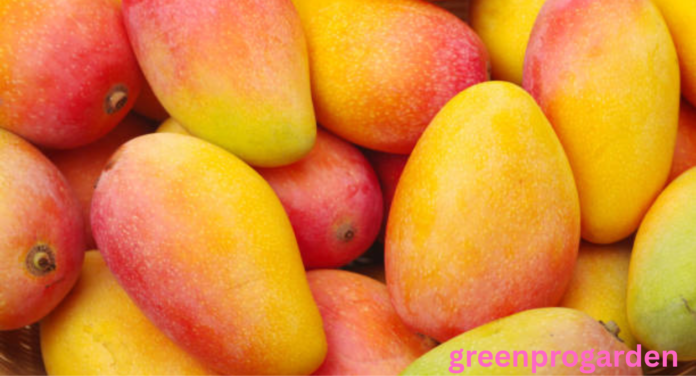
Mangoes are often called the “King of Fruits” because of their delicious taste, rich nutritional value, and global popularity. Every year, millions of people eagerly await mango season to enjoy fresh fruit, juices, desserts, and other mango-based products. However, in recent years, many regions have reported a mango shortage, causing concern among consumers, farmers, and businesses.
A mango shortage does not simply mean fewer mangoes on store shelves. It can affect prices, exports, agricultural livelihoods, and food industries worldwide. Understanding the reasons behind these shortages can help consumers and producers prepare for future challenges.
What Is a Mango Shortage?
A mango shortage occurs when the supply of mangoes is lower than the market demand. This can happen due to poor harvests, environmental challenges, transportation issues, or agricultural problems.
When mango production declines significantly, the available supply may not be enough to meet consumer demand. As a result, prices increase and availability decreases in local and international markets.
Main Causes of Mango Shortages
Several factors contribute to mango shortages around the world.
Climate Change and Weather Extremes
Climate change has become one of the biggest threats to fruit production, including mango cultivation.
Excessive Heat
Mango trees require warm temperatures, but extreme heat can damage flowers and developing fruits. Heatwaves may cause flowers to dry out before fruit formation occurs, reducing yields.
Unseasonal Rainfall
Unexpected rainfall during the flowering stage can disrupt pollination and cause blossoms to fall prematurely. This directly affects the number of mangoes produced.
Drought Conditions
Water scarcity is another major issue. Mango trees need sufficient moisture during critical growth stages. Prolonged droughts can weaken trees and reduce fruit quality and quantity.
Pest Infestations
Mango orchards are vulnerable to several pests that can destroy crops.
Fruit Flies
Fruit flies lay eggs inside mangoes, making the fruit unsuitable for sale. Severe infestations can lead to substantial crop losses.
Mango Hoppers
These insects feed on mango flowers and young shoots, reducing fruit production and weakening the overall health of trees.
Plant Diseases
Diseases can spread rapidly through orchards and significantly impact production.
Anthracnose Disease
Anthracnose is a fungal disease that affects flowers, leaves, and fruits. It is particularly common during humid weather conditions.
Powdery Mildew
Powdery mildew can damage mango flowers and prevent successful fruit development, leading to lower yields.
Poor Pollination
Successful mango production depends on pollination. Bees and other pollinators play an important role in fruit development. A decline in pollinator populations can negatively affect mango harvests.
Economic Impact of Mango Shortages
Mango shortages have financial consequences across the entire supply chain.
Higher Consumer Prices
The most visible impact is rising prices.
Limited Supply
When fewer mangoes reach the market, retailers often increase prices to balance supply and demand.
Premium Varieties Become More Expensive
Popular mango varieties often experience the highest price increases during shortage periods because demand remains strong.
Challenges for Export Markets
Many countries depend on mango exports as a source of agricultural income.
Reduced Export Volumes
Lower production means fewer mangoes are available for international markets.
Loss of Revenue
Exporters and governments may experience reduced earnings when shipments decline.
Effects on Food Industries
Many businesses use mangoes as ingredients in their products.
Beverage Manufacturers
Companies producing mango juice, smoothies, and flavored drinks may face higher production costs.
Food Processing Companies
Manufacturers of mango jams, ice creams, candies, and desserts often struggle to secure enough raw materials during shortages.
Countries Most Affected by Mango Shortages
Several major mango-producing countries face recurring production challenges.
India
India produces more mangoes than any other country. However, changing weather patterns, extreme temperatures, and irregular rainfall can significantly impact harvests.
Pakistan
Pakistan is known for its premium mango varieties. Water shortages, heat stress, and pest problems occasionally reduce production levels.
Mexico
As a leading supplier to North American markets, Mexico’s mango industry can be affected by hurricanes, droughts, and changing climate conditions.
Southeast Asian Nations
Countries such as Thailand and the Philippines also experience periodic mango shortages due to weather-related challenges and disease outbreaks.
Long-Term Consequences
Mango shortages can have lasting effects beyond a single growing season.
Reduced Farmer Income
Although prices may increase, farmers often earn less overall because they have fewer fruits to sell.
Increased Production Costs
Farmers may spend more on irrigation systems, pesticides, disease management, and crop protection measures.
Supply Chain Disruptions
Importers, wholesalers, retailers, and food manufacturers may need to find alternative suppliers, increasing operational costs.
Possible Solutions to Mango Shortages
While mango shortages present significant challenges, several strategies can help reduce their impact.
Improved Farming Techniques
Modern agricultural practices can help farmers increase productivity and protect crops from environmental stress.
Efficient Irrigation
Drip irrigation systems help conserve water while ensuring mango trees receive adequate moisture.
Soil Management
Healthy soil improves water retention and supports stronger tree growth.
Development of Resilient Varieties
Agricultural researchers are working to develop mango varieties that can better withstand drought, pests, and diseases.
Integrated Pest Management
Combining biological controls, monitoring systems, and responsible pesticide use can reduce crop losses while protecting the environment.
Climate-Smart Agriculture
Farmers can adopt sustainable practices that improve resilience to changing weather conditions and support long-term productivity.
Conclusion
The global mango shortage is a growing concern driven by climate change, pest infestations, disease outbreaks, and water scarcity. These factors not only affect farmers but also impact consumers, exporters, and food manufacturers. As demand for mangoes continues to rise, investing in sustainable farming practices, improved irrigation systems, and resilient crop varieties will become increasingly important.
Although mango shortages may lead to higher prices and reduced availability in the short term, innovation and better agricultural management can help ensure that future generations continue to enjoy one of the world’s most beloved fruits.
Faqs
Why is there a mango shortage?
A mango shortage can occur due to several factors, including climate change, extreme weather conditions, droughts, pest infestations, plant diseases, and poor pollination. These challenges can reduce mango production and limit market supply.
How does climate change affect mango production?
Climate change can cause heatwaves, irregular rainfall, droughts, and storms that disrupt mango flowering and fruit development. These conditions often lead to lower yields and poorer fruit quality.
Will mango prices increase during a shortage?
Yes, mango prices typically rise during a shortage because demand remains high while supply decreases. Premium mango varieties often experience the largest price increases.
Which countries are most affected by mango shortages?
Major mango-producing countries such as India, Pakistan, Mexico, Thailand, and the Philippines can experience mango shortages due to weather-related issues, pests, and diseases.
How do pests contribute to mango shortages?
Pests such as fruit flies and mango hoppers damage flowers and fruits, reducing harvest volumes. Severe infestations can result in significant crop losses for farmers.

