Mango is one of the most beloved tropical fruits in the world, known for its sweet flavor, juicy flesh, and vibrant yellow-orange color. However, several other Fruits That Look Like Mango share a striking resemblance to mangoes in shape, size, color, or texture. Some of these fruits are closely related to mangoes, while others simply look similar despite belonging to entirely different plant families.
Why Do Some Fruits Look Like Mangoes?
Many tropical fruits have evolved similar shapes and colors because they grow in comparable climates and attract the same types of animals for seed dispersal. Oval shapes, smooth skin, and bright yellow or orange colors are common features among many tropical fruits.
While appearance may be similar, flavor, texture, and nutritional value can vary significantly.
Fruits That Resemble Mangoes
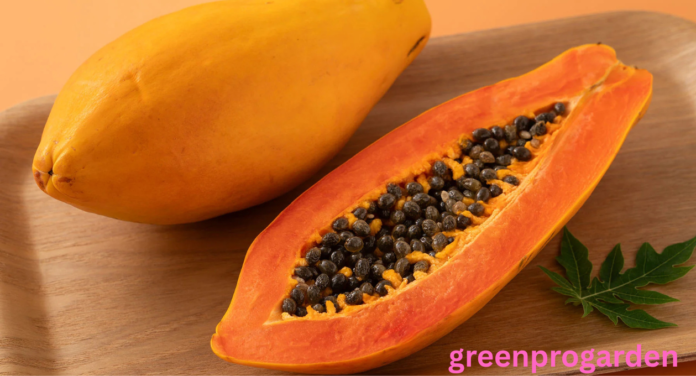
1. Papaya
Papaya is one of the most common fruits mistaken for a mango due to its elongated shape and yellow-green skin.
Similarities to Mango
- Oval or elongated shape
- Yellow, orange, or green exterior
- Soft orange flesh when ripe
Key Differences
Papaya is much larger than most mangoes and contains numerous black seeds in the center. Its flavor is milder and less sweet compared to mango.
2. Canistel (Egg Fruit)
Canistel is a tropical fruit native to Central America and is often called the “egg fruit” because of its texture.
Similarities to Mango
- Bright yellow skin
- Mango-like size and shape
- Tropical growing conditions
Key Differences
The flesh of canistel is dry and creamy, resembling a cooked egg yolk rather than the juicy texture of a mango.
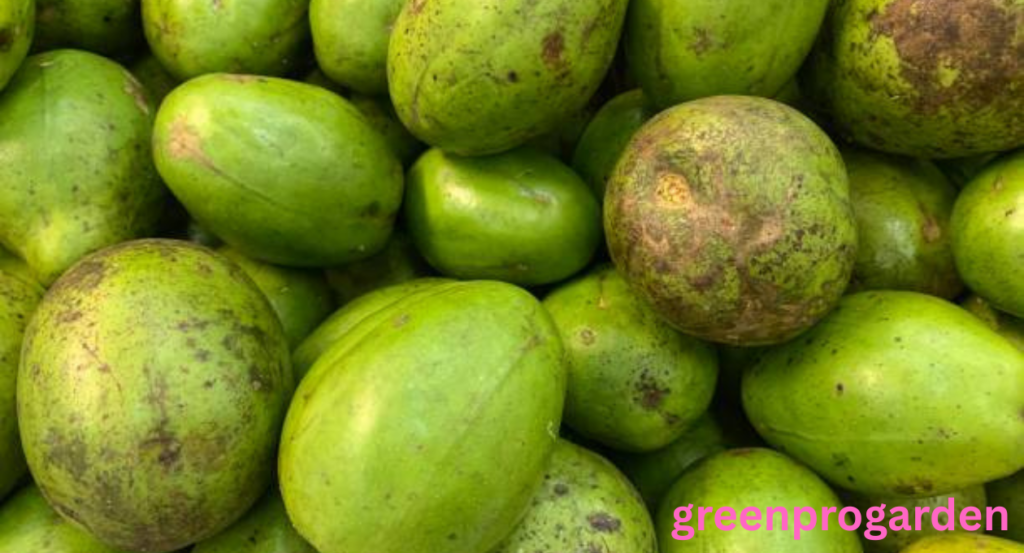
3. Ambarella (June Plum)
Ambarella is another tropical fruit that can easily be mistaken for a mango, especially when ripe.
Similarities to Mango
- Oval shape
- Yellow skin when mature
- Sweet tropical aroma
Key Differences
Ambarella has a crunchy texture and a fibrous seed in the center. Its taste combines sweet and tart flavors.
4. Hog Plum
Hog plum belongs to the same family as mangoes, making their resemblance even more understandable.
Similarities to Mango
- Similar shape and color
- Related botanical family
- Tropical growth habit
Key Differences
Hog plums are generally smaller and have a tangier flavor than mangoes.
Exotic Fruits That Look Surprisingly Like Mangoes
1. Marian Plum
Marian plum is popular in Southeast Asia and often confuses people because of its mango-like appearance.
Similarities to Mango
- Smooth yellow skin
- Oval shape
- Sweet fragrance
Key Differences
Marian plum is usually smaller and offers a unique sweet-and-sour taste profile.
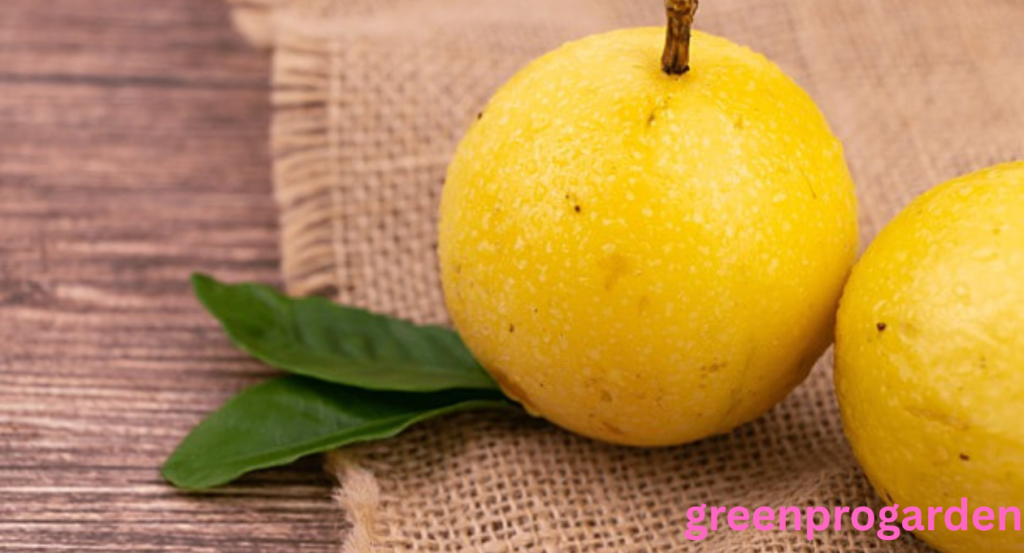
2. Yellow Passion Fruit
At first glance, some varieties of yellow passion fruit resemble small mangoes.
Similarities to Mango
- Golden-yellow skin
- Tropical origin
- Sweet flavor
Key Differences
Passion fruit contains jelly-like pulp and numerous seeds inside, unlike the solid flesh of mangoes.
3. Mamey Apple
Mamey apple has a rounded shape but can resemble certain mango varieties due to its color and size.
Similarities to Mango
- Attractive yellow-orange flesh
- Tropical fruit tree
- Sweet flavor
Key Differences
The fruit contains large seeds and has a texture that differs significantly from mango flesh.
Fruits Related to Mangoes
Cashew Apple
Many people are surprised to learn that the cashew tree is related to the mango tree.
Similarities to Mango
- Belongs to the same botanical family
- Yellow, orange, or red coloring
- Sweet tropical taste
Key Differences
The cashew apple grows attached to the famous cashew nut and has a juicy, slightly astringent flavor.
Hog Plum and Ambarella
Both hog plum and ambarella are members of the Anacardiaceae family, which also includes mangoes.
This family connection explains why these fruits often share similar appearances, leaf structures, and growth patterns.
How to Identify a Mango from Similar Fruits
When trying to distinguish a mango from look-alike fruits, consider the following factors:
Examine the Skin
Mangoes typically have smooth skin that may display shades of green, yellow, orange, and red depending on the variety.
Check the Flesh
Most mangoes have juicy, fibrous, or buttery flesh with a single flat seed in the center.
Smell the Fruit
A ripe mango usually emits a sweet, fragrant aroma near the stem end.
Look at the Seeds
Many mango-like fruits contain multiple seeds or differently shaped seed structures, making identification easier once the fruit is cut open.
Nutritional Comparison
Although these fruits resemble mangoes, their nutritional profiles vary.
Mango
- Rich in Vitamin C
- High in Vitamin A
- Contains antioxidants and dietary fiber
Papaya
- Excellent source of digestive enzymes
- Rich in Vitamin C
- Low in calories
Passion Fruit
- High in fiber
- Rich in antioxidants
- Good source of potassium
Canistel
- Contains Vitamin A
- Rich in carbohydrates
- Provides dietary fiber
Conclusion
Many tropical fruits share a similar appearance with mangoes, including papaya, canistel, ambarella, Marian plum, hog plum, and cashew apple. While they may look alike on the outside, each fruit offers unique flavors, textures, and nutritional benefits. Exploring these mango-like fruits can introduce you to exciting tastes from around the world and expand your appreciation for tropical produce.
Whether you’re a fruit enthusiast, gardener, or simply curious about exotic foods, these fascinating alternatives prove that nature often creates fruits that look remarkably similar while remaining wonderfully distinct.
Faqs
What fruit looks most similar to a mango?
The fruit that looks most similar to a mango is the Marian plum. It has a comparable oval shape, yellow skin, and sweet tropical aroma, making it easy to confuse with a mango at first glance.
Is papaya the same as a mango?
No, papaya and mango are different fruits. While they may look similar in color and shape, papaya is generally larger, contains many black seeds, and has a milder flavor.
Are hog plums related to mangoes?
Yes, hog plums belong to the same plant family as mangoes, known as the Anacardiaceae family. This relationship explains their similar appearance and tropical growing habits.
What fruit tastes closest to a mango?
Marian plum and certain varieties of ambarella are often considered the closest in taste to mangoes because they offer a sweet, juicy, and slightly tangy flavor profile.
Canistel and mangoes look alike?
Yes, canistel has a similar yellow skin and mango-like shape. However, its flesh is much drier and creamier compared to the juicy texture of a mango.

