Grapes are among the most popular fruits in the world, known for their sweet taste, juicy texture, and versatility. However, many other fruits closely resemble grapes in appearance, growing in clusters or featuring similar sizes, shapes, and colors. Some of these Fruits That Look Like Grapes are edible and delicious, while others are lesser-known treasures found in tropical and subtropical regions.
Why Some Fruits Look Like Grapes
Many fruits resemble grapes because they share similar growing patterns and evolutionary traits. Small, round fruits often grow in clusters, making them visually similar to grapes. While they may look alike, these fruits belong to different plant families and offer distinct flavors, nutritional benefits, and uses.
Popular Fruits That Look Like Grapes
Jabuticaba
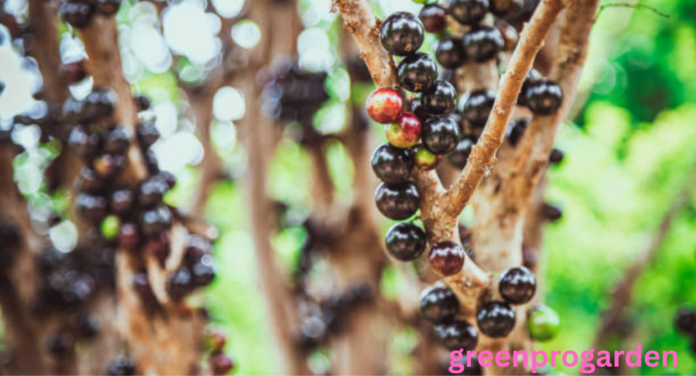
Jabuticaba is a unique fruit native to Brazil. At first glance, it resembles dark purple grapes. What makes this fruit truly fascinating is that it grows directly on the trunk and branches of the tree rather than on vines.
Taste and Uses
Jabuticaba has a sweet, juicy flavor with a slightly tart finish. It is commonly eaten fresh and used to make jams, wines, and liqueurs. The fruit is rich in antioxidants and vitamin C, making it a nutritious addition to the diet.
Muscadine Grapes
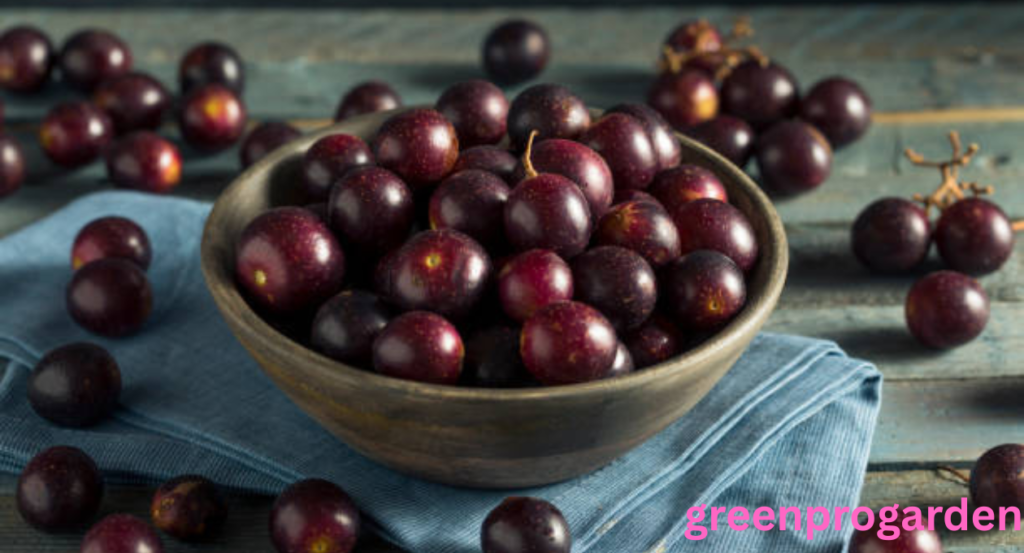
Although technically a type of grape, muscadine grapes look different from common table grapes. They are larger, thicker-skinned, and often grow in small clusters.
Health Benefits
Muscadine grapes are packed with antioxidants, fiber, and beneficial plant compounds. They are often used in juices, jellies, and wines due to their rich flavor profile.
Sea Grapes
Sea grapes are small green fruits that grow in clusters and closely resemble green grapes. They are commonly found in coastal regions and tropical climates.
Culinary Uses
Sea grapes have a slightly sweet taste and are often consumed fresh. In some cultures, they are added to salads or used as decorative garnishes. Their high vitamin and mineral content makes them a healthy snack.
Exotic Fruits Similar to Grapes
Longan
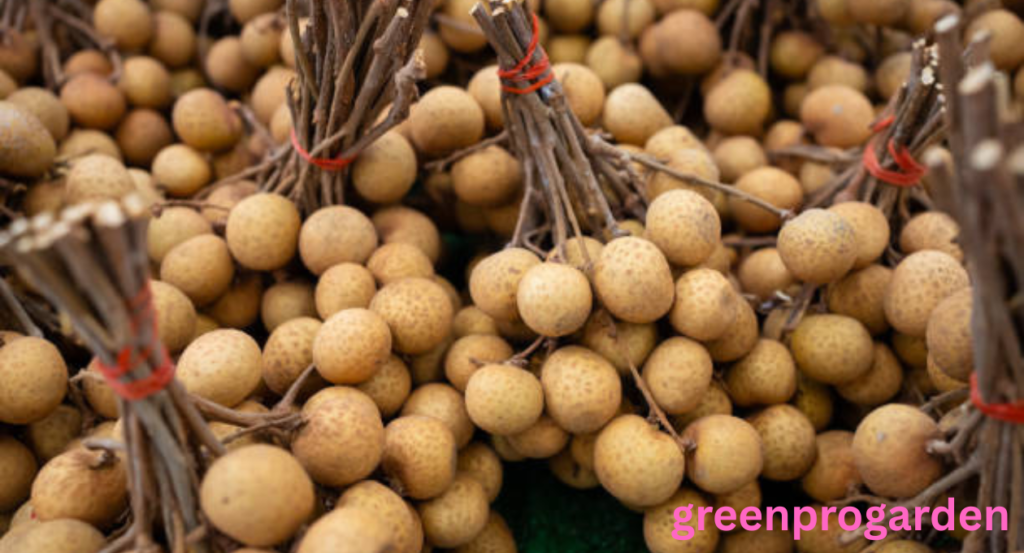
Longan is a tropical fruit native to Southeast Asia. It grows in clusters like grapes and has a light brown shell surrounding a translucent, juicy interior.
Flavor Profile
Longan has a sweet and floral flavor that is often compared to lychee. The fruit is popular in desserts, beverages, and traditional Asian recipes.
Langsat
Langsat is another tropical fruit that resembles grapes when hanging in clusters. The fruit has pale yellow skin and segmented flesh inside.
Nutritional Value
Langsat contains vitamin C, fiber, and antioxidants. Its sweet-tart flavor makes it enjoyable as a fresh snack or ingredient in fruit salads.
Bignay
Bignay is a small fruit native to Southeast Asia and Australia. It grows in hanging clusters that closely resemble bunches of red or purple grapes.
Common Uses
Bignay is often used to make juices, wines, and jams. The fruit contains antioxidants that may help support overall health and wellness.
Berries That Look Like Grapes
Elderberries
Elderberries grow in dense clusters and have a dark purple appearance similar to black grapes. They are widely known for their medicinal properties.
Health Benefits
Elderberries are rich in antioxidants and have traditionally been used to support immune health. They are commonly found in syrups, teas, and supplements.
Black Currants
Black currants are small, dark fruits that resemble tiny grapes. They grow in clusters and offer a bold, tangy flavor.
Popular Applications
These berries are used in juices, jams, desserts, and herbal products. Their high vitamin C content contributes to their nutritional appeal.
How to Identify Grape-Like Fruits
Examine the Growth Pattern
True grapes grow on vines, while many grape-like fruits grow on trees or shrubs. Observing the plant structure can help distinguish between similar-looking fruits.
Check the Skin Texture
Grape-like fruits may have thicker, thinner, smoother, or rougher skin compared to traditional grapes. This characteristic often provides clues about the fruit’s identity.
Taste and Aroma
Flavor profiles vary greatly among grape-like fruits. Some are sweet and juicy, while others may be tart, floral, or slightly acidic. Aroma can also help with identification.
Benefits of Exploring Grape-Like Fruits
Trying fruits that resemble grapes can introduce new flavors and nutritional benefits into your diet. Many of these fruits are rich in vitamins, minerals, antioxidants, and fiber. They can also add variety to meals, desserts, and beverages while allowing you to experience unique fruits from different parts of the world.
Conclusion
While grapes remain a beloved fruit worldwide, many other fruits share their appearance and charm. From the trunk-growing jabuticaba to the tropical longan and nutritious elderberry, grape-like fruits offer exciting tastes and health benefits. Exploring these unique fruits can broaden your culinary horizons and introduce you to some of nature’s most fascinating creations. The next time you see a fruit that looks like a grape, take a closer look—you may discover a delicious new favorite.
Faqs
1. What fruits look most similar to grapes?
Some of the fruits that closely resemble grapes include jabuticaba, longan, langsat, sea grapes, elderberries, black currants, and bignay. These fruits are often small, round, and grow in clusters similar to grapes.
2. Is jabuticaba the same as grapes?
No, jabuticaba is not a grape. Although it looks similar to dark purple grapes, it comes from a different plant family and grows directly on tree trunks and branches rather than on vines.
3. Are sea grapes real grapes?
Sea grapes are not true grapes. They are tropical fruits that grow on coastal trees and are named for their grape-like appearance and clustered growth pattern.
4. What fruit looks like a grape but tastes like lychee?
Longan is a fruit that resembles grapes when growing in clusters and has a sweet, juicy flavor often compared to lychee.
5. Are grape-like fruits healthy?
Yes, most grape-like fruits are rich in vitamins, antioxidants, fiber, and other nutrients that support overall health. Many also contain compounds that may help boost immunity and reduce oxidative stress.

