Lychee is one of the most recognizable tropical fruits in the world. Known for its rough pink-red shell, juicy translucent flesh, and sweet floral flavor, lychee is loved by fruit enthusiasts everywhere. However, several other fruits closely resemble lychee in appearance and, in some cases, taste. If you’ve ever spotted a strange Fruits That Look Like Lychee and wondered what it was, you’re not alone.
Why Do Some Fruits Look Like Lychee?
Many tropical fruits belong to the same botanical family as lychee or evolved in similar climates. As a result, they often share characteristics such as:
- Rough or spiky outer skin
- Round or oval shape
- Juicy white flesh
- Large central seed
- Sweet tropical flavor
Despite their similarities, each fruit offers a unique taste and texture.
Rambutan: The Hairy Cousin of Lychee
Appearance
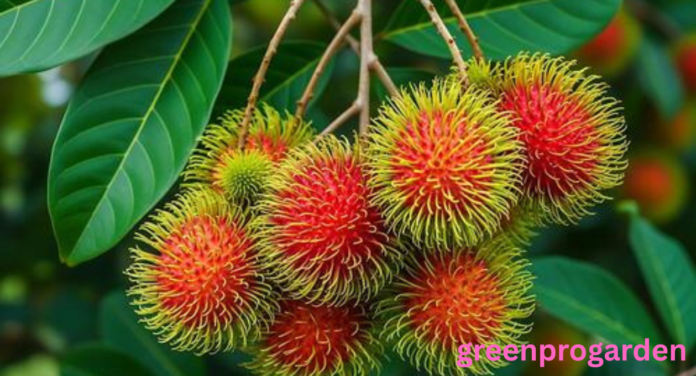
Rambutan is perhaps the fruit most commonly mistaken for lychee. It has a bright red or yellow shell covered in soft, hair-like spines, giving it a fuzzy appearance.
Taste
The flesh inside is translucent white and sweet, much like lychee. However, rambutan often has a creamier texture and slightly richer flavor.
Nutritional Benefits
Rambutan contains:
- Vitamin C
- Fiber
- Iron
- Antioxidants
It is commonly grown in Southeast Asian countries such as Thailand, Indonesia, and Malaysia.
Longan: The Smooth-Skinned Relative
Appearance
Longan is another close relative of lychee. Instead of a rough pink shell, it has a smooth, light brown skin.
Taste
Longan’s flesh is juicy and translucent, with a sweet flavor that many describe as resembling grapes mixed with honey.
Why It’s Similar to Lychee
Both fruits belong to the Sapindaceae family and share a similar internal structure:
- Thin outer shell
- White flesh
- Large black seed
Longan is often referred to as “dragon’s eye” because the black seed shows through the translucent flesh.
Pulasan: The Lesser-Known Tropical Gem
Appearance
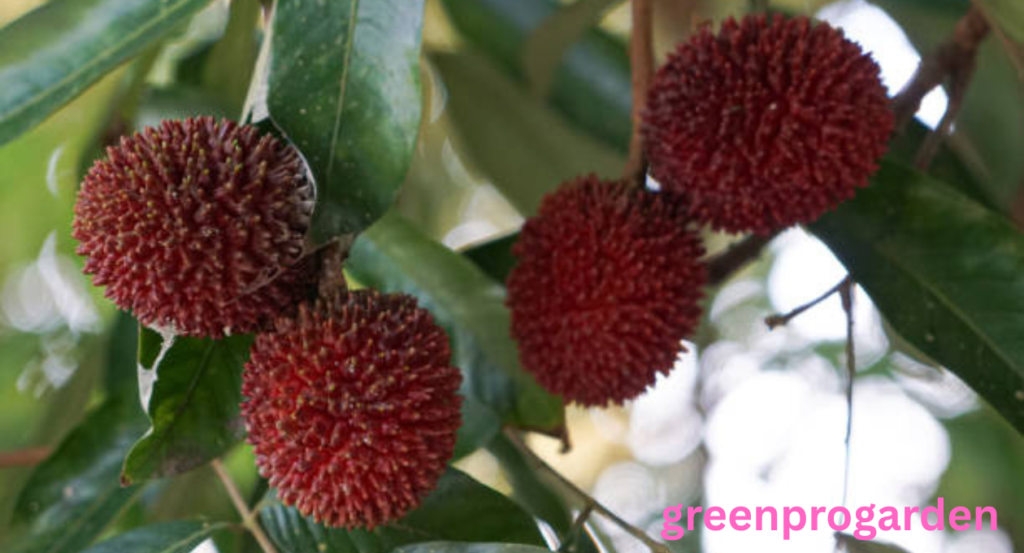
Pulasan closely resembles rambutan but has thicker skin and shorter bumps rather than long hairs.
Taste
Many fruit lovers consider pulasan sweeter than both rambutan and lychee. The flesh is juicy, aromatic, and easy to separate from the seed.
Growing Regions
Pulasan is primarily found in:
- Malaysia
- Indonesia
- Southern Thailand
Because it is less commercially available, it remains a rare treat outside tropical regions.
Akee (Ackee): A Unique Look-Alike
Appearance
When ripe, ackee develops a reddish outer shell that can resemble large lychees from a distance.
Taste and Use
Unlike lychee, ackee is mainly used as a cooked ingredient rather than eaten raw. It has a mild, buttery flavor and is famous as part of Jamaica’s national dish, ackee and saltfish.
Important Note
Only fully ripe ackee is safe to eat. Unripe fruit contains toxins and should never be consumed.
Mamoncillo: The Spanish Lime
Appearance
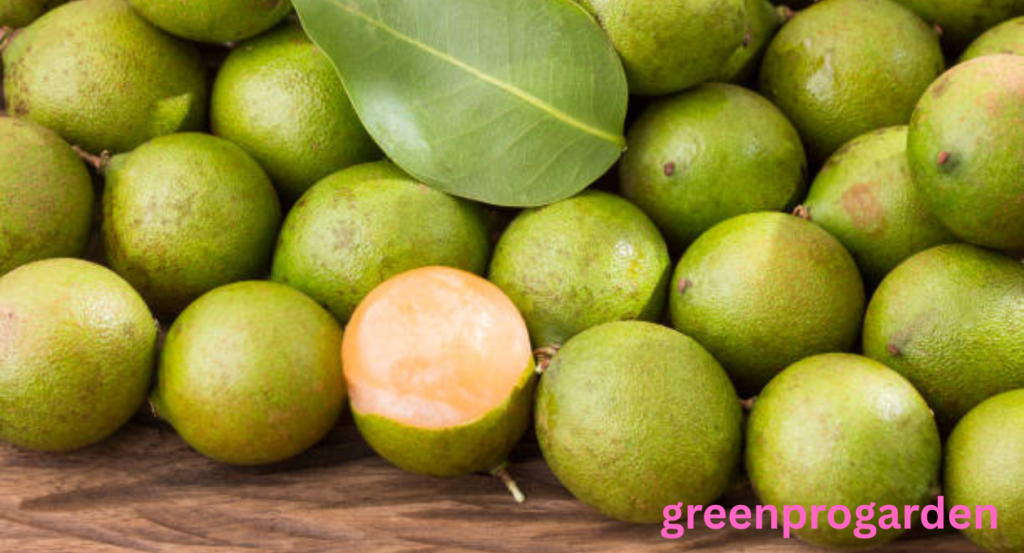
Mamoncillo, also known as Spanish lime or quenepa, is a small green fruit that resembles lychee in size and structure.
Taste
The flesh varies from sweet to tart depending on ripeness. Its flavor is often compared to a combination of lime and lychee.
Popular Regions
Mamoncillo is widely enjoyed in:
- Caribbean countries
- Central America
- Northern South America
Its refreshing taste makes it a popular summer snack.
Korlan: The Rare Lychee Relative
Appearance
Korlan fruits are small and round with red or purple skin. Their appearance can easily remind people of lychee.
Taste
Korlan offers a sweet-and-sour flavor profile with juicy flesh surrounding a single seed.
Availability
This fruit is mostly found in Southeast Asia and remains relatively unknown in Western markets.
Differences Between Lychee and Similar Fruits
Skin Texture
The easiest way to distinguish these fruits is by their outer skin:
- Lychee: Rough and bumpy
- Rambutan: Hairy and soft-spined
- Longan: Smooth and brown
- Pulasan: Thick with short bumps
- Mamoncillo: Smooth and green
Flavor Variations
Although many of these fruits are sweet, their flavor profiles differ:
- Lychee: Floral and aromatic
- Rambutan: Creamy and mildly sweet
- Longan: Honey-like sweetness
- Pulasan: Rich and intensely sweet
- Mamoncillo: Sweet-tart balance
Growing Locations
Most lychee-like fruits thrive in tropical and subtropical climates, particularly across Asia, the Caribbean, and Central America.
Health Benefits of Lychee-Like Fruits
Many fruits that resemble lychee offer similar nutritional advantages.
Rich in Vitamin C
These fruits support immune health and skin wellness through high vitamin C content.
Loaded with Antioxidants
Antioxidants help protect cells from oxidative stress and may reduce inflammation.
Good Source of Fiber
Fiber promotes digestive health and can help maintain healthy cholesterol levels.
Naturally Hydrating
Their juicy flesh contains significant amounts of water, making them excellent hydration-friendly snacks.
Conclusion
Lychee may be the most famous tropical fruit in its category, but it has several fascinating look-alikes. Rambutan, longan, pulasan, mamoncillo, korlan, and even ackee share similarities in appearance while offering unique flavors and textures. Exploring these fruits can introduce you to new culinary experiences and provide a variety of nutritional benefits.
The next time you encounter a tropical fruit that resembles lychee, take a closer look—you might discover a delicious new favorite.
Faqs
1. What fruit looks most similar to lychee?
Rambutan is the fruit most often confused with lychee. Both have a similar size, translucent white flesh, and a single seed, but rambutan has soft, hair-like spines on its outer shell.
2. Is rambutan the same as lychee?
No, rambutan and lychee are different fruits. While they belong to the same plant family and share similarities in appearance and taste, rambutan has a creamier texture and a slightly different flavor profile.
3. What fruit is related to lychee?
Longan, rambutan, and pulasan are among the closest relatives of lychee. All belong to the Sapindaceae family and have comparable structures, including juicy flesh and a central seed.
4. Does longan taste like lychee?
Longan has a flavor similar to lychee but is generally less floral and more honey-like. Many people describe it as a mix of grapes and honey.
5. What is the difference between lychee and pulasan?
Pulasan is typically sweeter and richer in flavor than lychee. Its thicker skin and easy-to-remove flesh make it a favorite among tropical fruit enthusiasts.

