Introduction
Pickles are one of the most popular condiments worldwide. From burgers and sandwiches to salads and snacks, these crunchy and tangy treats have become a staple in many households. However, in recent years, consumers have noticed empty shelves and rising prices, leading to concerns about a pickle shortage.
A pickle shortage does not necessarily mean that pickles have disappeared completely. Instead, it often refers to reduced availability caused by problems in the supply chain, poor cucumber harvests, increased demand, or manufacturing challenges. Understanding the reasons behind these shortages can help consumers make informed choices and prepare for future market changes.
What Is a Pickle Shortage?
A pickle shortage occurs when the supply of pickles is unable to meet consumer demand. This imbalance can happen for several reasons, including agricultural issues, transportation problems, labor shortages, and increased consumption.
Although shortages are usually temporary, they can have a noticeable effect on grocery stores, restaurants, and food manufacturers. Consumers may find fewer varieties available or experience higher prices for their favorite pickle brands.
Temporary vs. Long-Term Shortages
Most pickle shortages are temporary and are resolved once cucumber harvests improve or supply chains stabilize. Long-term shortages are less common and usually occur when multiple factors affect production simultaneously.
In most cases, the market eventually adjusts, allowing supply to return to normal levels.
Main Causes of Pickle Shortages
Poor Cucumber Harvests
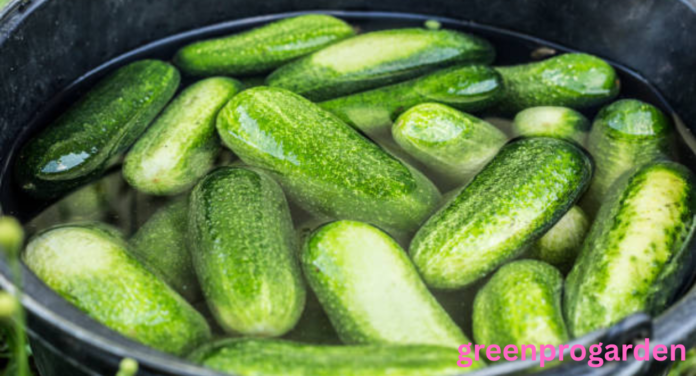
The most important ingredient in pickles is cucumbers. If cucumber crops suffer because of extreme weather conditions, diseases, or pests, pickle production naturally declines.
Heavy rainfall, droughts, and unusually high temperatures can reduce crop yields and affect the quality of cucumbers available for pickling.
Supply Chain Disruptions
Modern food production relies on efficient transportation and distribution networks. Delays in shipping, shortages of packaging materials, or increased transportation costs can create supply problems.
Even if cucumbers are plentiful, manufacturers may struggle to produce or distribute enough pickles if supply chains are disrupted.
Labor Shortages
The agricultural and food processing industries depend heavily on workers. Labor shortages can slow harvesting, packaging, and transportation.
When companies cannot hire enough workers, production decreases, and products may take longer to reach store shelves.
Increased Consumer Demand
Consumer preferences can also contribute to shortages. Pickles have become increasingly popular due to social media trends, specialty flavors, and growing interest in fermented foods.
When demand rises faster than manufacturers can increase production, shortages may occur temporarily.
How a Pickle Shortage Affects Consumers
Higher Prices
One of the first effects consumers notice is higher prices. Limited supply combined with strong demand often leads to increased costs at grocery stores.
Specialty pickles and premium brands may become especially expensive during periods of shortage.
Reduced Product Variety
During shortages, stores may prioritize stocking their most popular products. This can lead to fewer flavor options and limited availability of specialty varieties.
Consumers who enjoy spicy, sweet, or gourmet pickles may find it harder to locate their favorite products.
Restaurant Challenges
Restaurants also rely on a steady pickle supply. Burger restaurants, sandwich shops, and delis may face higher costs or adjust menu items when pickles become scarce.
Some businesses may temporarily reduce portion sizes or switch to alternative suppliers.
Are Homemade Pickles a Solution?
Growing Your Own Cucumbers
Many people respond to shortages by growing cucumbers at home. Cucumbers are relatively easy to grow in gardens and can produce abundant harvests during the growing season.
Home gardening allows consumers to enjoy fresh cucumbers and create their own pickles with customized flavors.
Making Pickles at Home
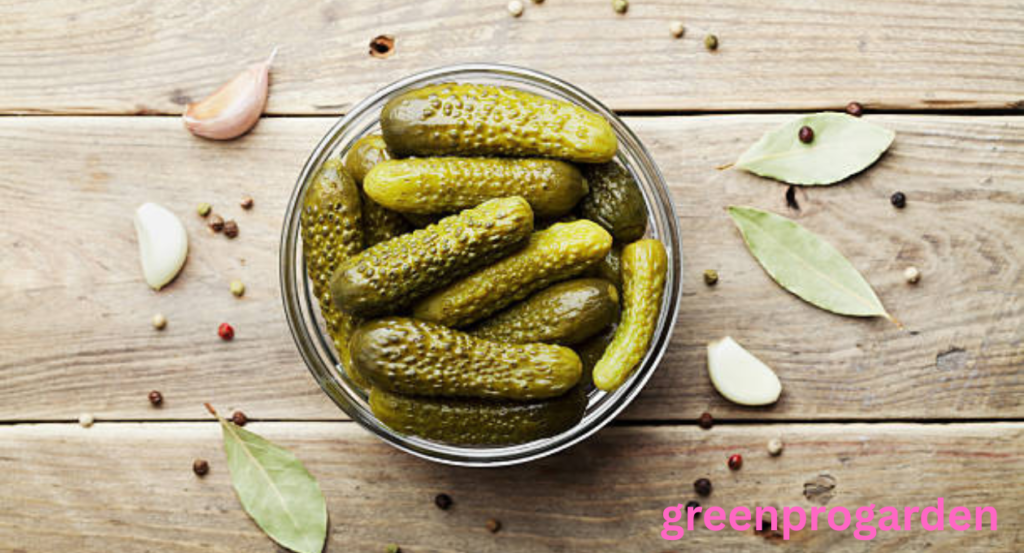
Homemade pickles are another popular alternative. Basic ingredients include:
- Fresh cucumbers
- Vinegar
- Salt
- Garlic
- Dill
- Spices
Making pickles at home allows individuals to control ingredients and experiment with different flavors while reducing dependence on store-bought products.
Will the Pickle Shortage End?
Improvements in Farming
Agricultural technology continues to improve, helping farmers produce more resilient cucumber crops. Better irrigation systems, disease-resistant varieties, and modern farming techniques can reduce the risk of future shortages.
As farming methods advance, the pickle industry becomes better equipped to handle environmental challenges.
Stronger Supply Chains
Food companies are also investing in stronger supply chains. Diversifying suppliers, improving storage facilities, and increasing transportation efficiency can help prevent future disruptions.
These improvements make it easier for manufacturers to maintain steady production even when unexpected challenges arise.
Tips for Consumers During a Pickle Shortage
Buy Responsibly
Consumers should avoid panic buying. Purchasing excessive quantities can worsen shortages and create unnecessary pressure on supply chains.
Buying only what you need helps ensure that products remain available for everyone.
Try Different Brands
Shortages often affect brands differently. Exploring local or smaller brands may help consumers find alternatives while supporting regional businesses.
You may even discover new flavors and styles that become long-term favorites.
Store Pickles Properly
Proper storage can extend the shelf life of pickles. Keep unopened jars in a cool, dry place and refrigerate them after opening.
Following storage recommendations reduces food waste and ensures the best flavor and texture.
Conclusion
A pickle shortage can be frustrating for consumers who enjoy this beloved food, but most shortages are temporary and manageable. Factors such as poor cucumber harvests, supply chain disruptions, labor shortages, and rising demand all play a role in reducing availability.
Fortunately, the industry continues to adapt through improved farming methods and stronger supply chains. Consumers can also explore homemade pickles, try different brands, and shop responsibly while waiting for supplies to return to normal. With these strategies, pickle lovers can continue enjoying their favorite crunchy snack despite occasional market challenges.
Faqs
1. Why is there a pickle shortage?
A pickle shortage can occur due to poor cucumber harvests, extreme weather conditions, supply chain disruptions, labor shortages, or increased consumer demand. When the supply of cucumbers or finished pickles decreases, stores may experience limited stock.
2. Are pickles really running out?
No, pickles are not completely running out. Most shortages are temporary and affect certain brands, flavors, or regions. Production usually returns to normal once supply chain and farming conditions improve.
3. What causes cucumber shortages?
Cucumber shortages are often caused by droughts, floods, plant diseases, pests, or unusually hot weather. Transportation issues and labor shortages can also reduce the amount of cucumbers reaching pickle manufacturers.
4. Why are pickle prices increasing?
Pickle prices may rise because of higher cucumber costs, increased transportation expenses, packaging shortages, and growing consumer demand. Limited supply combined with strong demand often leads to higher retail prices.
5. Which pickle brands are most affected by shortages?
The impact varies depending on the region and time period. Some major brands may experience temporary shortages, while local or smaller brands remain available. Checking multiple stores can help you find alternatives.

