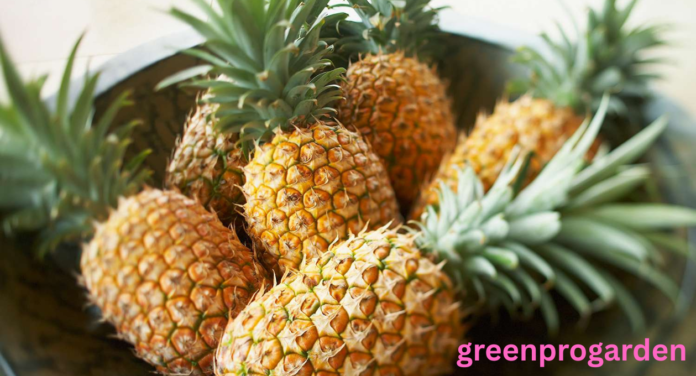
Pineapple is one of the most popular tropical fruits in the world. Its sweet taste, refreshing flavor, and nutritional benefits make it a favorite choice for fresh eating, juices, desserts, and canned products. However, in recent years, many countries have experienced a pineapple shortage, leading to higher prices and limited availability in supermarkets.
This shortage has affected consumers, farmers, and businesses that rely on pineapples for their products. Understanding the reasons behind the shortage can help people prepare for future supply issues and appreciate the challenges faced by the agricultural industry.
What Is a Pineapple Shortage?
A pineapple shortage occurs when the demand for pineapples exceeds the available supply. This imbalance can happen for several reasons, including poor weather conditions, plant diseases, labor shortages, and transportation problems.
When fewer pineapples are harvested, retailers may struggle to keep shelves stocked. As a result, prices rise, and consumers may find it difficult to buy fresh or processed pineapple products.
Main Causes of the Pineapple Shortage
Several factors contribute to pineapple shortages around the world.
Extreme Weather Conditions
Pineapples grow best in warm tropical climates. Heavy rains, floods, droughts, and hurricanes can damage crops and reduce harvests.
For example, excessive rainfall can cause root rot and fungal diseases, while drought limits water availability and slows plant growth. Climate change has made weather patterns more unpredictable, increasing the risk of crop failures.
Plant Diseases and Pests
Pineapple plants are vulnerable to various diseases and pests. Fungal infections, bacterial diseases, and insect infestations can destroy large portions of crops.
If farmers cannot control these problems quickly, pineapple production declines significantly. Disease outbreaks often require additional investments in pesticides and crop management, increasing production costs.
Labor Shortages
Growing and harvesting pineapples requires a large workforce. Many farms struggle to find enough workers, especially during peak harvest seasons.
Labor shortages can delay harvesting, reduce productivity, and increase operating costs. In some regions, workers have shifted to other industries, leaving agricultural businesses with fewer employees.
Transportation and Supply Chain Issues
Global supply chains have faced major disruptions in recent years. Shipping delays, container shortages, and rising fuel costs have made it more difficult to transport pineapples from farms to markets.
Even when pineapple production is sufficient, transportation problems can create temporary shortages in stores and supermarkets.
Countries Most Affected by Pineapple Shortages
Many countries depend on imported pineapples to meet consumer demand. When major producers experience problems, the effects are felt worldwide.
Costa Rica
Costa Rica is one of the largest pineapple producers and exporters in the world. Any disruption in its agricultural sector can impact global supply.
Extreme weather events and rising production costs have occasionally reduced exports, causing shortages in international markets.
Philippines
The Philippines is another major pineapple-producing country. Storms, labor challenges, and logistical issues have sometimes affected production levels.
Since the country exports large quantities of fresh and canned pineapples, supply disruptions can influence prices across Asia and other regions.
Thailand
Thailand is a major supplier of canned pineapple products. Changes in weather patterns and lower harvests have reduced production in some years, leading to shortages of processed pineapple goods.
How the Pineapple Shortage Affects Consumers
Consumers are among the first to notice the effects of a pineapple shortage.
The most obvious impact is higher prices. Fresh pineapples become more expensive, and canned products, juices, and desserts containing pineapple may also increase in price.
Some stores may limit the quantity customers can purchase, while others may temporarily run out of stock. Restaurants and food manufacturers may also adjust their menus or recipes if pineapple supplies are limited.
Impact on Farmers and Businesses
The pineapple shortage affects not only consumers but also farmers and businesses.
Increased Production Costs
Farmers often face higher costs for fertilizers, pesticides, irrigation, and labor. These expenses reduce profit margins and make farming more challenging.
Lower Income for Exporters
When pineapple production falls, exporters have fewer products to sell. Lower export volumes can reduce revenue and affect the economies of pineapple-producing countries.
Food Industry Challenges
Companies that make juices, jams, canned fruits, and desserts depend on a steady pineapple supply. Shortages may force them to use alternative ingredients or increase product prices.
Can the Pineapple Shortage Be Solved?
Although pineapple shortages are challenging, there are several ways to reduce their impact.
Investing in Climate-Resilient Farming
Farmers can adopt modern farming techniques that help crops survive extreme weather conditions. Improved irrigation systems, better soil management, and disease-resistant pineapple varieties can increase productivity.
Improving Supply Chains
Governments and businesses can invest in better transportation networks and storage facilities. Efficient logistics help ensure pineapples reach markets quickly and reduce losses during transit.
Supporting Farmers
Financial support, agricultural training, and access to modern technology can help farmers improve yields and manage risks more effectively.
Future Outlook for Pineapple Supply
The future of pineapple production depends on how well the industry adapts to changing conditions.
Climate change, labor availability, and global trade will continue to influence supply levels. However, advances in agricultural technology and better farming practices offer hope for more stable production.
Consumers may still experience occasional shortages, but ongoing improvements in farming and supply chains could reduce the frequency and severity of these disruptions.
Conclusion
The pineapple shortage is a complex issue caused by weather extremes, plant diseases, labor shortages, and supply chain disruptions. Its effects are felt by consumers, farmers, exporters, and food manufacturers around the world.
While shortages can lead to higher prices and limited availability, investments in sustainable farming, modern technology, and efficient transportation systems can help improve future pineapple supplies. As the industry evolves, these efforts will play an important role in ensuring that pineapples remain available for people to enjoy worldwide.
FAQs
1. Why is there a pineapple shortage?
A pineapple shortage is mainly caused by extreme weather conditions, plant diseases, labor shortages, and transportation issues that reduce production and disrupt supply chains.
2. Which countries produce the most pineapples?
The world’s leading pineapple producers include Costa Rica, the Philippines, Thailand, Indonesia, and India. These countries supply a large portion of the global market.
3. Does a pineapple shortage increase prices?
Yes. When pineapple supply decreases and demand remains high, prices for fresh pineapples, canned pineapple, and pineapple juice often rise.
4. How does climate change affect pineapple production?
Climate change can cause droughts, floods, heavy rainfall, and storms, all of which can damage pineapple crops and reduce harvest yields.
5. Are canned pineapples affected by shortages?
Yes. Since canned pineapple products rely on fresh pineapple harvests, lower production can lead to reduced availability and higher prices for canned products.

