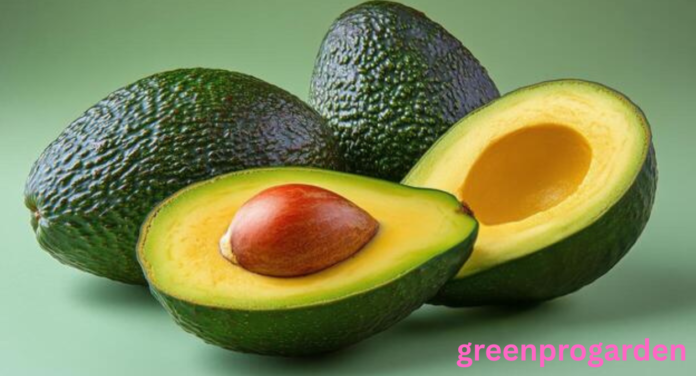
Avocados have become one of the most popular fruits worldwide. From avocado toast to guacamole and smoothies, demand has skyrocketed over the last decade. However, consumers and businesses are now facing a growing avocado shortage that is affecting prices, supply chains, and restaurant menus across many countries.
The avocado shortage is not caused by one single issue. Instead, it is the result of climate change, transportation problems, rising global demand, and farming challenges. As the fruit becomes more valuable, the pressure on growers continues to increase.
What Is Causing the Avocado Shortage?
Several key factors are contributing to the global avocado shortage. These problems are affecting major avocado-producing countries like Mexico, Peru, Chile, and California.
Climate Change and Extreme Weather
Weather plays a major role in avocado farming. Avocado trees require stable temperatures, enough rainfall, and healthy soil conditions. Unfortunately, many farming regions are experiencing droughts, heat waves, and unpredictable storms.
In Mexico, which is the world’s largest avocado exporter, dry weather has reduced crop yields. California has also struggled with water shortages, making avocado farming more expensive and difficult.
Extreme weather conditions can damage avocado trees, reduce fruit quality, and delay harvest seasons. As climate patterns continue to shift, avocado farmers face greater uncertainty every year.
Rising Global Demand
Avocados are no longer considered a luxury food. They are now part of everyday diets in many countries. Health-conscious consumers value avocados because they are rich in healthy fats, vitamins, and fiber.
Restaurants, cafes, and grocery stores are all competing for limited supplies. Social media trends and food influencers have also increased avocado popularity worldwide.
As demand rises faster than production, shortages become more common. Higher demand naturally leads to increased prices for consumers.
Supply Chain Disruptions
Transportation and shipping problems have also contributed to the avocado shortage. Delays at ports, fuel price increases, and labor shortages have made it harder to move avocados quickly across international markets.
Because avocados are highly perishable, timing is critical. Even small shipping delays can lead to spoiled products and financial losses.
Global supply chain disruptions following the COVID-19 pandemic continue to impact food distribution systems, including avocado exports.
How the Shortage Is Affecting Consumers
The avocado shortage is having noticeable effects on both businesses and shoppers.
Higher Prices in Stores
One of the biggest impacts is rising avocado prices. In many supermarkets, the cost of a single avocado has doubled compared to previous years. Restaurants are also charging more for avocado-based meals.
Consumers who regularly buy avocados may now purchase them less often due to higher costs.
Restaurant Menu Changes
Many restaurants rely heavily on avocados for popular dishes such as tacos, salads, burgers, and sushi rolls. Some businesses have reduced portion sizes or temporarily removed avocado items from their menus.
Fast-food chains and cafes are especially affected because they need consistent supply and stable pricing.
Environmental Concerns Around Avocado Farming
The avocado industry also faces criticism regarding sustainability.
Water Usage
Avocado farming requires a significant amount of water. In drought-prone regions, excessive water use can strain local communities and ecosystems.
Farmers are now being encouraged to adopt more sustainable irrigation methods to reduce environmental damage.
Deforestation Issues
In some countries, forests have been cleared illegally to create more avocado farms. This deforestation harms wildlife habitats and contributes to climate change.
As global demand grows, balancing production with environmental protection becomes increasingly important.
Will the Avocado Shortage Continue?
Experts believe avocado demand will remain strong for years to come. However, future supply will depend on how farmers, governments, and businesses respond to current challenges.
Investments in sustainable farming, better water management, and improved transportation systems could help stabilize the market. Some countries are also expanding avocado production to meet rising global demand.
While shortages may ease temporarily, the avocado industry will likely continue facing pressure from climate change and growing consumer demand.
Conclusion
The avocado shortage highlights how interconnected global food systems have become. Climate issues, supply chain disruptions, and increasing demand are all contributing to limited avocado availability and higher prices.
Although avocados remain highly popular, the industry must adapt to environmental and economic challenges to ensure long-term sustainability. For consumers, the shortage serves as a reminder that even everyday foods can be affected by global events and changing climate conditions.
faqs
What is causing the avocado shortage?
The avocado shortage is mainly caused by climate change, droughts, supply chain problems, and rising global demand.
Why are avocado prices increasing?
Prices are rising because avocado production is lower while consumer demand continues to grow worldwide.
Which countries produce the most avocados?
Major avocado-producing countries include Mexico, Peru, Chile, Colombia, and the United States.
How does climate change affect avocado farming?
Extreme heat, droughts, and unpredictable weather reduce avocado crop yields and damage trees.
Are restaurants affected by the avocado shortage?
Yes, many restaurants have increased prices, reduced portions, or removed avocado items from menus

