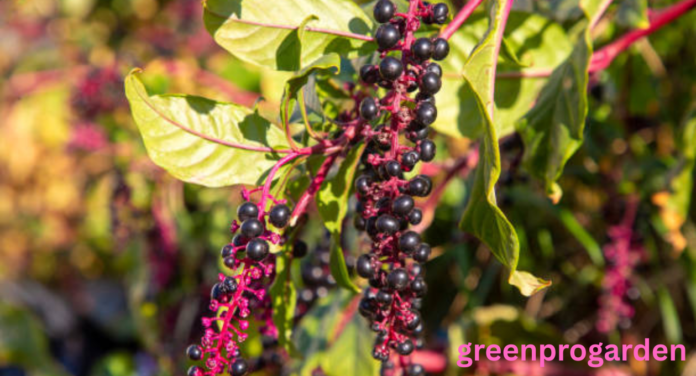
Pokeweed Look Alikes is one of the most commonly misunderstood wild plants in North America. Known for its bright purple stems, dark berries, and rapid growth, pokeweed can easily be mistaken for several harmless plants. However, this confusion can become dangerous because pokeweed is toxic to humans and pets if consumed improperly. Learning to recognize pokeweed look alikes is essential for gardeners, foragers, hikers, and homeowners.
In this guide, we will explore the most common plants mistaken for pokeweed, explain how to identify them correctly, and discuss why accurate plant identification matters.
What Is Pokeweed?
Pokeweed, scientifically known as Phytolacca americana, is a perennial plant native to North America. It typically grows between 4 and 10 feet tall and thrives in disturbed soils, roadsides, gardens, and woodland edges.
The plant is known for several distinct features:
- Thick reddish-purple stems
- Large smooth green leaves
- Hanging clusters of dark purple berries
- Fast-growing upright structure
Although some people historically cooked young pokeweed shoots as food, the plant contains toxic compounds that can cause severe illness if prepared incorrectly. The roots and mature berries are especially poisonous.
Because of its dramatic appearance, pokeweed is often confused with other berry-producing plants.
Common Pokeweed Look Alikes
Several plants resemble pokeweed at different stages of growth. Some are edible, while others are also toxic. Understanding the differences can help prevent dangerous mistakes.
Elderberry
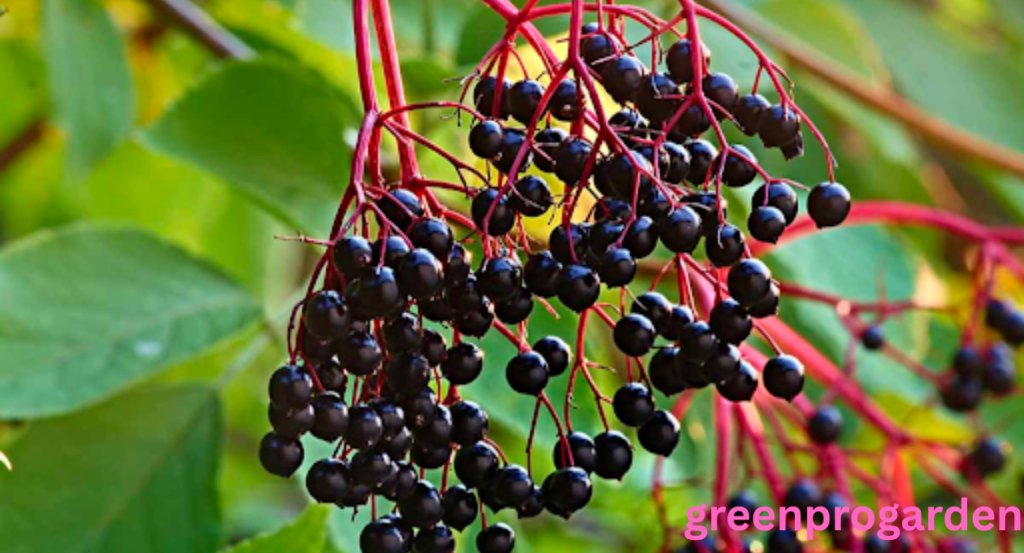
Elderberry is one of the most common pokeweed look alikes. Both plants produce dark berries and large leaves, making them easy to confuse from a distance.
Key Differences Between Elderberry and Pokeweed
Elderberry grows as a woody shrub, while pokeweed has soft, smooth stems that die back each winter. Elderberry stems are usually brown or gray, not bright purple or pink.
The berry clusters are also different. Elderberry berries grow in wide, flat-topped clusters, while pokeweed berries hang downward in elongated strands.
Another major difference is height and structure. Elderberry branches spread outward like a bush, while pokeweed tends to grow upright with fewer branches.
Black Nightshade
Black nightshade is another plant often mistaken for pokeweed because of its dark berries.
How to Identify Black Nightshade
Black nightshade is much smaller than pokeweed. It usually grows only 1 to 3 feet tall, while pokeweed can tower above nearby plants.
The berries of black nightshade appear in small groups rather than long hanging clusters. Its stems are also thinner and less colorful than pokeweed stems.
While some varieties of black nightshade are edible when ripe, others can be toxic, so caution is always necessary.
Dogwood
Certain dogwood species may resemble pokeweed from a distance, especially when young.
Differences Between Dogwood and Pokeweed
Dogwood plants are woody shrubs or small trees. Their branches remain firm year-round, unlike pokeweed’s soft stems.
Dogwood berries are usually white, blue, or light-colored instead of deep purple-black. The leaf structure is also different, with dogwood leaves showing curved veins that run toward the tip.
Amaranth
Amaranth species are tall plants with colorful stems and broad leaves, which can sometimes create confusion.
Identifying Amaranth Correctly
Unlike pokeweed, amaranth produces dense flower spikes instead of hanging berry clusters. Its stems may appear red or purple, but the plant lacks the shiny dark berries associated with pokeweed.
Many amaranth species are edible and cultivated as grains or leafy vegetables.
Why Proper Identification Is Important
Confusing pokeweed with edible plants can have serious health consequences. All parts of pokeweed contain toxins, though the roots and mature berries are the most dangerous.
Symptoms of Pokeweed Poisoning
Eating pokeweed may lead to symptoms such as:
- Nausea
- Vomiting
- Diarrhea
- Stomach cramps
- Weakness
- Trouble breathing
Children are especially vulnerable because the berries may appear attractive and harmless.
Pets and livestock can also become ill after consuming parts of the plant.
Where Pokeweed Commonly Grows
Pokeweed grows aggressively in areas with rich soil and sunlight. It commonly appears in:
- Backyards
- Fence lines
- Empty lots
- Forest edges
- Roadsides
- Garden beds
Birds spread pokeweed seeds easily, allowing the plant to appear unexpectedly in residential areas.
Seasonal Appearance of Pokeweed
Understanding how pokeweed changes throughout the year can improve identification accuracy.
Spring Growth
In spring, pokeweed emerges as bright green shoots. At this stage, it may resemble edible garden vegetables or wild greens.
Summer Development
During summer, the stems become thicker and reddish-purple. Long clusters of berries begin forming as the plant matures.
Fall Appearance
In fall, pokeweed becomes especially noticeable due to its dark berries and vivid stems. The berries often attract birds and wildlife.
Safe Plant Identification Tips
Correctly identifying wild plants requires careful observation.
Study the Stem Color
Pokeweed’s thick magenta or purple stems are one of its most recognizable traits.
Look at Berry Arrangement
The hanging berry clusters of pokeweed differ from the flat or upright berry groups seen on many shrubs.
Observe Plant Structure
Pokeweed grows upright and lacks woody branches, which helps separate it from shrubs like elderberry or dogwood.
Avoid Guessing
Never eat wild berries or plants based solely on appearance. Even experienced foragers use field guides and plant identification tools to verify species.
Should You Remove Pokeweed?
Many homeowners remove pokeweed because of its toxicity and aggressive growth. The plant develops a deep taproot that can make removal difficult.
When handling pokeweed:
- Wear gloves
- Avoid touching your face
- Pull young plants early
- Remove the entire root system
Do not burn pokeweed because inhaling the smoke may cause irritation.
Conclusion
Pokeweed may look attractive in the wild, but it can easily be confused with several other plants that share similar berries, stems, or leaves. Knowing how to identify pokeweed look alikes such as elderberry, black nightshade, dogwood, and amaranth is important for both safety and proper plant recognition. Since pokeweed contains toxic compounds, accidental ingestion can lead to serious health problems for humans and pets.
The best way to avoid confusion is to examine the plant carefully, paying attention to stem color, berry arrangement, plant size, and growth pattern. Whether you are a gardener, nature enthusiast, or beginner forager, taking the time to learn these differences can help you stay safe while exploring the outdoors.
FAQs
Is pokeweed poisonous to humans?
Yes, pokeweed is poisonous. The roots, mature leaves, stems, and berries contain toxic compounds that may cause nausea, vomiting, stomach pain, and other serious symptoms if consumed.
What plant is most commonly mistaken for pokeweed?
Elderberry is one of the most common plants mistaken for pokeweed because both produce dark berries and large leaves. However, elderberry grows as a woody shrub, while pokeweed has soft purple stems.
Can birds eat pokeweed berries?
Yes, many bird species can safely eat pokeweed berries. Birds help spread the plant’s seeds, which is why pokeweed often appears in new locations.
How can I identify pokeweed quickly?
You can usually identify pokeweed by its bright reddish-purple stems, large smooth leaves, and hanging clusters of dark berries. It also grows upright and can reach impressive heights.
Is pokeweed dangerous for pets?
Yes, pokeweed can be toxic to dogs, cats, and livestock if eaten. Pet owners should remove pokeweed from areas where animals may access it.

