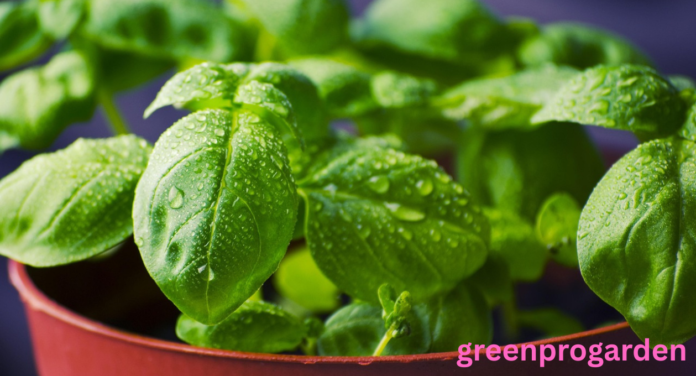
Basil is one of the most widely used herbs in the world. Known for its fresh aroma and rich flavor, basil is a key ingredient in many dishes, including pasta, pizza, salads, soups, and pesto sauce. Whether used in home kitchens or large restaurants, basil has become an essential part of global cuisine. However, consumers and businesses are now facing an unexpected problem — a basil shortage.
Over the past few years, fresh basil supplies have become less stable in many countries. Grocery stores are struggling to keep shelves stocked, restaurants are paying higher prices, and farmers are experiencing crop losses. The basil shortage is affecting both the food industry and everyday consumers.
Several factors are responsible for this growing issue, including climate change, plant diseases, transportation delays, and rising farming costs. Understanding these causes can help explain why basil has become harder to find and what solutions may help in the future.
What Is Causing the Basil Shortage?
Climate Change and Unpredictable Weather
Climate change is one of the leading causes of the basil shortage. Basil plants require warm temperatures, balanced sunlight, and proper moisture levels to grow successfully. Unfortunately, weather patterns around the world have become increasingly unpredictable.
Severe heatwaves, droughts, floods, and storms are damaging basil crops in major farming regions. Excessive heat can dry out plants quickly, while too much rain may lead to fungal infections and root diseases. Because basil is a delicate herb, even small weather changes can reduce crop quality and overall production.
Farmers are finding it more difficult to maintain consistent harvests due to these environmental challenges. Lower crop yields mean fewer basil supplies are available for markets and restaurants.
Basil Downy Mildew Disease
Another major reason for the shortage is a disease known as basil downy mildew. This disease attacks basil leaves and spreads rapidly through farms, especially in humid conditions.
Infected plants develop yellow spots, brown discoloration, and wilted leaves. Once basil plants become infected, they are often impossible to sell. Farmers may lose entire fields within a short period of time.
Basil downy mildew has spread to multiple countries over the past decade and remains difficult to control. Since the disease spreads through airborne spores, it can quickly affect large farming areas and reduce the overall basil supply.
Supply Chain and Transportation Issues
Global supply chain problems have also contributed to the basil shortage. Fresh basil has a short shelf life, which means it must be transported quickly from farms to stores and restaurants.
However, transportation delays, labor shortages, and rising fuel prices have disrupted the supply chain. Imported basil often spends too much time in transit, causing spoilage before it reaches consumers.
Many grocery stores and food suppliers are now dealing with inconsistent deliveries and reduced product availability. These issues increase prices and make it harder for businesses to meet customer demand.
How the Basil Shortage Affects Consumers
Higher Prices for Fresh Herbs
One of the most noticeable effects of the basil shortage is rising prices. Fresh basil now costs more in many supermarkets due to limited supply and increased transportation expenses.
Products made with basil, such as pesto sauce, herb oils, and frozen meals, may also become more expensive. Restaurants that rely heavily on basil are raising menu prices to cover higher ingredient costs.
Consumers who regularly cook with fresh herbs may need to adjust their grocery budgets or look for alternatives.
Restaurants Changing Recipes
Restaurants are also feeling the impact of the shortage. Italian restaurants, cafes, and pizza shops often depend on fresh basil for signature dishes and garnishes.
To manage supply issues, many restaurants are:
- Using dried basil instead of fresh basil
- Reducing the amount of basil used in recipes
- Replacing basil with herbs like oregano or parsley
- Increasing menu prices
Although these substitutions help businesses continue operating, they may slightly change the flavor and quality of popular dishes.
Possible Solutions to the Basil Shortage
Indoor Farming and Hydroponics
Many farmers are turning to indoor farming methods to protect basil crops from weather damage and disease. Hydroponic farming allows basil to grow in controlled environments without soil.
Indoor systems provide stable temperatures, controlled humidity, and protection from pests. These conditions help farmers produce basil year-round with fewer crop losses.
Although indoor farming requires significant investment, it offers a reliable long-term solution for improving basil production.
Development of Disease-Resistant Basil
Scientists and agricultural experts are also working on developing disease-resistant basil varieties. These improved plants are designed to survive common diseases like basil downy mildew.
If successful, disease-resistant basil could help farmers increase harvests, reduce crop losses, and stabilize market supplies in the future.
What Consumers Can Do
Grow Basil at Home
Growing basil at home is one of the easiest ways to deal with the shortage. Basil grows well in pots, gardens, and sunny kitchen windows. Homegrown basil provides fresh herbs while reducing dependence on store supplies.
Try Alternative Herbs
When basil is unavailable, consumers can use herbs such as mint, parsley, cilantro, or oregano in cooking. While these herbs have different flavors, they can still add freshness and aroma to meals.
Conclusion
The basil shortage is a growing issue caused by climate change, plant diseases, and supply chain disruptions. As demand for fresh herbs continues to rise, farmers and businesses face increasing pressure to maintain stable production.
Fortunately, solutions such as indoor farming and disease-resistant crops offer hope for the future. Until supply improves, consumers may continue to see higher prices and limited availability. By understanding the causes behind the shortage and exploring alternatives, both businesses and households can better adapt to this ongoing challenge.
Faqs
What is causing the basil shortage?
The basil shortage is mainly caused by climate change, plant diseases like basil downy mildew, supply chain disruptions, and rising farming costs. Extreme weather conditions and transportation delays have reduced basil production and availability worldwide.
Why has fresh basil become more expensive?
Fresh basil prices have increased because farmers are producing lower crop yields while transportation and labor costs continue to rise. Limited supply combined with high consumer demand has pushed prices higher in grocery stores and restaurants.
What is basil downy mildew?
Basil downy mildew is a plant disease that attacks basil leaves and spreads quickly in humid environments. It causes yellowing, browning, and wilting of the leaves, making the crop unsellable and reducing overall basil production.
Are restaurants affected by the basil shortage?
Yes, many restaurants are affected by the shortage. Businesses that rely heavily on fresh basil are facing higher ingredient costs and inconsistent supplies. Some restaurants are changing recipes, using dried basil, or increasing menu prices.
Can I grow basil at home?
Yes, basil is relatively easy to grow at home. It grows well in pots, gardens, and sunny indoor spaces. Growing basil at home can help reduce dependence on store-bought herbs during shortages.

