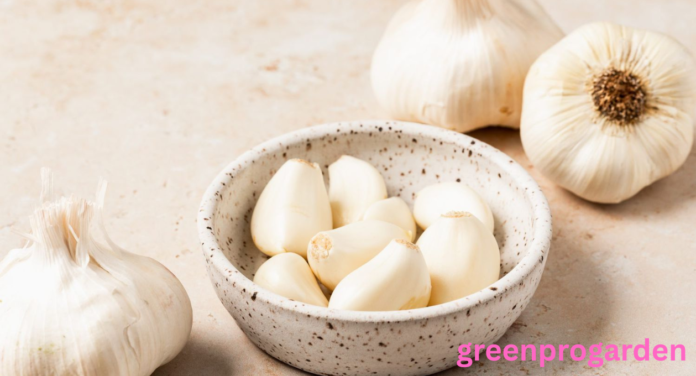
Garlic is one of the most widely used ingredients in kitchens around the world. From enhancing the flavor of meals to offering numerous health benefits, garlic plays a major role in global food culture. However, recent years have witnessed a growing garlic shortage in several countries, causing concern among consumers, restaurants, and food suppliers. Rising prices, reduced supply, and increased demand have all contributed to this issue.
The garlic shortage is not just a temporary inconvenience. It reflects broader agricultural and economic challenges affecting food production worldwide. Understanding the reasons behind the shortage can help consumers and businesses prepare for future disruptions and explore possible solutions.
What Is Causing the Garlic Shortage?
Climate Change and Extreme Weather
One of the biggest contributors to the garlic shortage is climate change. Garlic farming depends heavily on stable weather conditions. Excessive rain, droughts, floods, and unexpected temperature changes can damage garlic crops and reduce harvest yields.
Countries that are major garlic producers have experienced severe weather events in recent years. These disruptions have negatively affected planting and harvesting cycles, resulting in lower production levels.
Supply Chain Disruptions
Global supply chains have faced significant challenges since the pandemic. Transportation delays, labor shortages, and rising fuel costs have all impacted the movement of agricultural goods, including garlic.
Shipping containers became more expensive and difficult to secure, slowing down imports and exports. As a result, many regions experienced delays in receiving garlic shipments, leading to temporary shortages in supermarkets and wholesale markets.
Increased Global Demand
Garlic has gained popularity not only as a cooking ingredient but also as a natural health supplement. Many people believe garlic supports the immune system and overall wellness, increasing global demand significantly.
As demand rises faster than supply, the market struggles to maintain stable prices and availability. Restaurants, food manufacturers, and consumers are competing for limited stock, putting additional pressure on suppliers.
Economic Impact of the Garlic Shortage
Rising Garlic Prices
One of the most noticeable effects of the garlic shortage is the increase in prices. In many countries, garlic prices have doubled or even tripled due to limited supply.
Higher prices affect households, restaurants, and food businesses alike. Consumers may need to spend more on groceries, while restaurant owners face higher operating costs that can reduce profits.
Pressure on Farmers
Although higher garlic prices may seem beneficial for farmers, the reality is more complicated. Farmers dealing with poor harvests due to weather issues often struggle financially despite increased market prices.
Additionally, the rising costs of fertilizers, fuel, labor, and transportation reduce profit margins for agricultural producers. Small-scale farmers are especially vulnerable during supply shortages.
Impact on Restaurants and Food Industries
Garlic is an essential ingredient in countless recipes worldwide. Restaurants and food manufacturers rely heavily on a stable garlic supply to maintain product quality and flavor consistency.
When garlic becomes expensive or unavailable, businesses may need to adjust recipes, reduce portion sizes, or raise menu prices. This can affect customer satisfaction and overall business performance.
Countries Most Affected by the Garlic Shortage
China’s Role in Global Garlic Supply
China is the world’s largest producer and exporter of garlic. Any disruption in Chinese garlic production can quickly impact global markets.
Weather-related crop failures, export restrictions, or logistical challenges in China often lead to worldwide shortages. Since many countries depend on imported garlic, reduced exports create immediate supply concerns.
Import-Dependent Nations
Countries that rely heavily on imported garlic are more vulnerable during shortages. Limited local production means these nations must compete in the international market for available supplies.
In some regions, governments have encouraged local garlic farming to reduce dependence on imports and strengthen food security.
Health and Consumer Concerns
Limited Access to Fresh Produce
For many households, garlic is an everyday cooking ingredient. Shortages may force consumers to switch to powdered garlic, frozen garlic, or alternative seasonings.
While substitutes may help temporarily, many people prefer fresh garlic for its stronger flavor and potential health benefits.
Fear of Future Food Shortages
The garlic shortage has also raised concerns about broader food supply issues. Consumers are becoming more aware of how climate change, transportation problems, and global trade disruptions can affect food availability.
This awareness has encouraged some people to grow their own vegetables and herbs at home, including garlic.
Possible Solutions to the Garlic Shortage
Supporting Local Agriculture
Investing in local garlic farming can help reduce dependence on imports. Governments and agricultural organizations can support farmers through financial aid, better irrigation systems, and access to modern farming technology.
Encouraging local production strengthens food security and creates more stable supply chains.
Improving Supply Chain Efficiency
Better transportation infrastructure and supply chain management can reduce delays and minimize food waste. Investing in efficient logistics systems will help ensure garlic reaches markets more quickly and reliably.
Sustainable Farming Practices
Farmers can adopt sustainable agricultural methods to protect crops from climate-related risks. Techniques such as crop rotation, water conservation, and soil improvement can increase garlic production and reduce environmental impact.
Conclusion
The garlic shortage is a complex issue driven by climate change, supply chain disruptions, and rising global demand. Its effects can be seen in higher prices, reduced availability, and growing concerns about food security.
While the shortage presents significant challenges, it also highlights the importance of sustainable farming, local agriculture, and resilient supply chains. By investing in smarter agricultural practices and improving food distribution systems, countries can better prepare for future shortages and ensure a more stable garlic supply for consumers worldwide.
Faqs
What is causing the global garlic shortage?
The global garlic shortage is mainly caused by climate change, extreme weather conditions, supply chain disruptions, and increased consumer demand. Poor harvests and transportation delays have significantly reduced garlic availability in many countries.
Why are garlic prices increasing?
Garlic prices are rising because supply is lower than demand. Weather-related crop damage, higher transportation costs, and limited imports have all contributed to increased market prices.
Which country produces the most garlic?
China is the world’s largest garlic producer and exporter. A large portion of the global garlic supply comes from Chinese farms.
How does climate change affect garlic production?
Climate change can damage garlic crops through droughts, floods, excessive rainfall, and temperature fluctuations. These conditions reduce crop yields and make farming more difficult for producers.
Is the garlic shortage temporary?
The shortage may improve over time, but future supply issues could continue if climate challenges and supply chain disruptions remain unresolved. Long-term solutions are needed to stabilize production.

