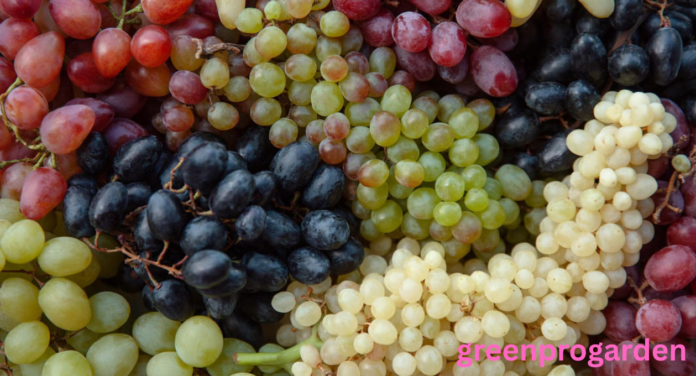
Grapes are one of the most loved fruits around the world. Whether eaten fresh, dried into raisins, or turned into juice and wine, they are a staple in many households. However, many shoppers are surprised when they see the high price of grapes in supermarkets and local fruit markets. Compared to apples, bananas, or oranges, grapes often cost significantly more per kilogram. This raises an important question: why are grapes so expensive?
The answer lies in several factors, including farming costs, labor-intensive harvesting, transportation challenges, seasonal demand, and market conditions. In this blog, we will explore the main reasons behind the high price of grapes and why consumers continue to pay premium prices for them.
The Cost of Growing Grapes
One of the biggest reasons grapes are expensive is the high cost of cultivation. Grapes are delicate fruits that require specific weather conditions, careful maintenance, and long growing periods.
Specialized Climate Requirements
Grapes grow best in regions with warm days, cool nights, and moderate rainfall. Farmers cannot simply grow grapes anywhere. Vineyards often require carefully selected land with fertile soil and ideal climate conditions. This makes grape farming limited to certain areas, increasing their market value.
Vineyard Maintenance
Unlike many fruits that grow quickly, grapevines take years to mature. Farmers must invest time and money before they can even begin harvesting profitable crops. Grapevines need pruning, irrigation systems, pest control, fertilizers, and regular inspections throughout the year.
Maintaining vineyards is labor-intensive and costly. Farmers also face risks from diseases, insects, droughts, and unpredictable weather conditions that can damage entire harvests.
Labor Costs Make Grapes Expensive
Another major factor behind grape prices is the amount of labor involved in production. Grapes are extremely delicate and cannot be handled roughly like some other fruits.
Hand Harvesting
In many regions, grapes are still picked by hand. Workers carefully cut grape clusters from vines to avoid bruising or damaging the fruit. This process takes time and requires skilled laborers.
Since harvesting grapes is slow and labor-intensive, wages for workers become a major production expense. Rising labor costs in many countries directly affect grape prices in stores.
Sorting and Packaging
After harvesting, grapes must be sorted carefully. Damaged or poor-quality grapes are removed, while the best bunches are packaged for sale. Special packaging is often required to keep grapes fresh during transportation. These additional handling costs increase the final retail price.
Transportation and Storage Challenges
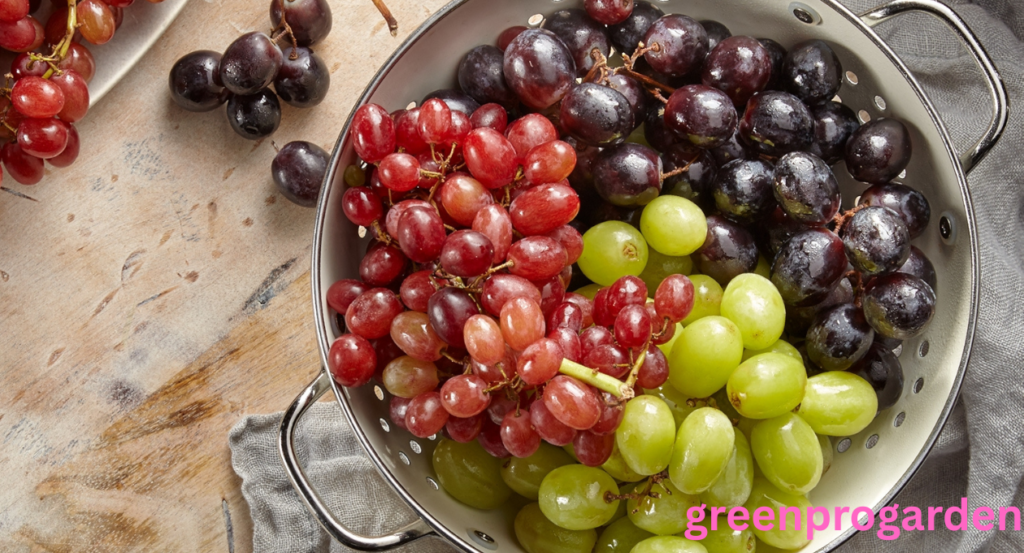
Grapes are highly perishable fruits. They spoil quickly if not stored properly, which creates additional transportation and storage costs.
Refrigerated Transport
Fresh grapes need temperature-controlled transportation to maintain quality. Refrigerated trucks and cold storage facilities are expensive to operate. If grapes are imported from other countries, shipping costs become even higher.
For example, grapes sold in many Asian or Middle Eastern countries may be imported from places like Chile, South Africa, Australia, or the United States. International shipping adds customs fees, fuel expenses, and storage costs.
Short Shelf Life
Unlike apples or potatoes, grapes have a relatively short shelf life. Retailers know they must sell grapes quickly before they spoil. To cover the risk of waste and losses, stores often increase prices.
Seasonal Demand and Limited Supply
The law of supply and demand also plays a major role in grape pricing.
Seasonal Availability
Although grapes are available year-round in many supermarkets, they are naturally seasonal fruits. During off-seasons, grapes may need to be imported from distant countries, which raises prices significantly.
When local grape production is low, demand often exceeds supply. As a result, prices increase.
High Consumer Demand
Grapes are popular because they are healthy, tasty, and convenient to eat. Many consumers prefer seedless grapes, organic grapes, or premium varieties, which cost even more to produce.
The growing demand for healthy snacks has also increased grape consumption worldwide. When demand rises faster than supply, prices naturally go up.
Premium Varieties Increase Prices
Not all grapes are the same. Some grape varieties are much more expensive due to their taste, texture, and growing requirements.
Seedless Grapes
Seedless grapes are among the most popular varieties in supermarkets. However, they require advanced farming techniques and careful breeding. Producing seedless grapes is more complicated and expensive than traditional grape farming.
Imported and Luxury Grapes
Certain luxury grape varieties can cost hundreds of dollars per box. In countries like Japan, premium grapes are grown under highly controlled conditions and sold as luxury gifts.
These grapes are carefully cultivated for perfect appearance, sweetness, and size. Their premium status significantly increases market prices.
Weather and Environmental Factors
Weather conditions greatly impact grape production and pricing.
Droughts and Heatwaves
Extreme weather events such as droughts, heatwaves, floods, and storms can reduce grape harvests. Lower production means fewer grapes are available in the market, leading to higher prices.
Climate change has also made grape farming more challenging in some regions. Farmers may need to spend more on irrigation and crop protection, increasing overall production costs.
Pest and Disease Control
Grapevines are vulnerable to pests and diseases such as mildew, fungi, and insects. Farmers must invest heavily in protective measures to maintain healthy crops. Organic grape farming can be even more expensive because it avoids synthetic chemicals and relies on natural treatments.
Are Expensive Grapes Worth It?
Many consumers still buy grapes despite high prices because of their nutritional value and convenience.
Health Benefits
Grapes are rich in vitamins, antioxidants, and fiber. They support heart health, improve digestion, and provide natural energy. Red and purple grapes also contain resveratrol, a powerful antioxidant linked to various health benefits.
Convenience and Taste
Grapes require little preparation. They are easy to wash, pack, and eat, making them a popular snack for families, office workers, and children.
Their sweet taste and refreshing texture also make them more desirable than many other fruits.
Conclusion
Grapes are expensive because they require specialized farming, intensive labor, careful transportation, and strict storage conditions. Seasonal supply, high consumer demand, premium varieties, and environmental challenges further increase their cost.
While grapes may seem overpriced compared to other fruits, their production process is far more complex than most people realize. From vineyard maintenance to refrigerated shipping, every stage adds to the final price consumers pay.
Despite the cost, grapes remain a favorite fruit worldwide because of their flavor, convenience, and health benefits. The next time you buy a bunch of grapes, you will better understand why they come with a premium price tag.
Faqs
Why are grapes more expensive than other fruits?
Grapes are more expensive because they require intensive labor, special growing conditions, careful harvesting, and refrigerated transportation. They are also highly perishable, which increases storage and handling costs.
Why are seedless grapes expensive?
Seedless grapes cost more because they require advanced cultivation techniques and careful breeding. Farmers also spend more time maintaining these varieties to ensure high quality and consistent production.
Do imported grapes cost more?
Yes, imported grapes are usually more expensive due to shipping fees, customs charges, cold storage, and transportation costs. Long-distance imports also require extra packaging to keep grapes fresh.
Why do grape prices change during the year?
Grape prices often rise during off-seasons when local supply is limited. During these times, stores rely on imported grapes, which increases costs and retail prices.
Are organic grapes more expensive?
Organic grapes are generally more expensive because farmers avoid synthetic pesticides and fertilizers. Organic farming also requires more labor and natural pest-control methods, which increase production costs.

