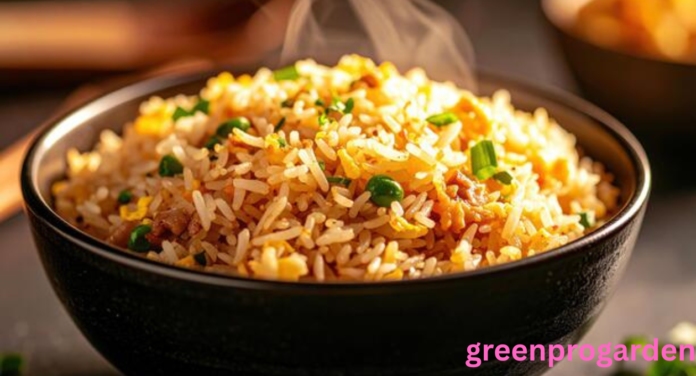
Rice is one of the most commonly eaten foods in the world. It is a staple ingredient in many countries and is used in countless dishes, from fried rice and sushi to curries and rice bowls. Despite its popularity, many people still wonder: Is Rice a Vegetable?
The simple answer is no, rice is not a vegetable. Rice is classified as a grain, specifically a cereal grain. However, confusion often happens because rice is plant-based and commonly served alongside vegetables in meals. Understanding the difference between grains and vegetables can help explain where rice truly belongs in the food category.
In this article, we will explore what rice is, how it is classified, its nutritional value, and why many people mistakenly think rice is a vegetable.
What Is Rice?
Rice Comes From a Grass Plant
Rice is the edible seed of a grass species called Oryza sativa. It grows in fields known as rice paddies and is harvested after the grains mature. Since rice comes from the seed of a plant rather than the root, stem, or leaf, it is considered a grain and not a vegetable.
Grains are harvested for their edible seeds, while vegetables usually come from other parts of plants such as leaves, roots, stems, or flowers.
Rice Is a Cereal Grain
Rice belongs to the cereal grain family, which also includes wheat, corn, oats, and barley. Cereal grains are important food sources because they provide carbohydrates and energy for millions of people worldwide.
Rice is commonly divided into several types, including:
- White rice
- Brown rice
- Jasmine rice
- Basmati rice
- Wild rice
Each type has different textures, flavors, and nutritional benefits, but all are still classified as grains.
Why Do People Think Rice Is a Vegetable?
Rice Is Plant-Based
One reason people confuse rice with vegetables is because it comes from a plant. Since vegetables also come from plants, some assume rice must fit into the same category.
However, not all plant-based foods are vegetables. Foods such as fruits, nuts, seeds, legumes, and grains also come from plants but belong to different food groups.
Rice Is Often Served With Vegetables
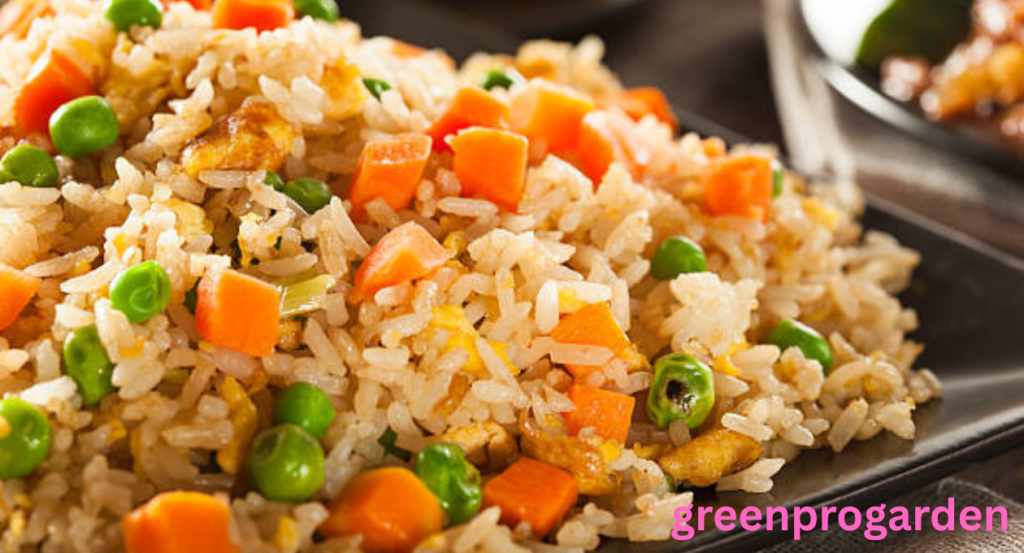
Rice is frequently cooked and served with vegetables in meals such as stir-fries, curries, and salads. Because it appears alongside vegetables so often, some people naturally associate rice with them.
In balanced meals, rice usually acts as the carbohydrate source, while vegetables provide vitamins, minerals, and fiber.
Difference Between Grains and Vegetables
What Are Vegetables?
Vegetables are edible parts of plants such as roots, stems, leaves, flowers, or bulbs. Common examples include:
- Carrots
- Broccoli
- Spinach
- Lettuce
- Potatoes
Vegetables are generally rich in vitamins, minerals, antioxidants, and fiber while being lower in calories.
What Are Grains?
Grains are the seeds of grass plants harvested for food. They mainly provide carbohydrates, which supply energy to the body. Examples of grains include:
- Rice
- Wheat
- Oats
- Corn
- Quinoa
Grains are often used to make bread, pasta, cereal, and other staple foods.
Nutritional Value of Rice
Rice as an Energy Source
Rice is an excellent source of carbohydrates, making it an important energy food. Many athletes and active individuals consume rice to support physical performance and daily energy needs.
White rice is easier to digest and cooks quickly, while brown rice contains more fiber and nutrients because it retains its outer bran layer.
Vitamins and Minerals in Rice
Rice also contains important nutrients such as:
- Magnesium
- Iron
- B vitamins
- Manganese
Brown rice generally offers more nutritional value than white rice because it undergoes less processing.
Is Rice Healthy?
Benefits of Eating Rice
Rice can be part of a healthy diet when eaten in moderation. Some benefits include:
- Provides quick energy
- Naturally gluten-free
- Easy to digest
- Affordable and widely available
Brown rice also supports digestion because of its higher fiber content.
Choosing Healthier Rice Options
Whole grain rice varieties such as brown rice, black rice, and wild rice are often considered healthier choices compared to highly processed white rice. They contain more fiber, antioxidants, and nutrients.
Pairing rice with vegetables, proteins, and healthy fats can create a balanced and nutritious meal.
Common Myths About Rice
Myth: Rice Is a Vegetable
Although rice comes from a plant, it is not classified as a vegetable. Scientifically and nutritionally, rice belongs to the grain category.
Myth: All Rice Is Unhealthy
Some people believe rice is unhealthy because it contains carbohydrates. In reality, rice can be part of a balanced diet when portion sizes are managed properly.
Whole grain rice options provide additional nutrients and fiber that support overall health.
Conclusion
Rice is not a vegetable — it is a cereal grain that comes from the seed of a grass plant. While rice is plant-based and often served with vegetables, it belongs to the grain food group alongside wheat, oats, and corn.
Rice remains one of the most important foods worldwide because it provides energy, nutrients, and versatility in cooking. Understanding the difference between grains and vegetables helps clear up confusion and allows people to make more informed food choices. Whether you prefer white rice, brown rice, or wild rice, this popular grain can still be a healthy part of a balanced diet.
Faqs
Is rice considered a vegetable?
No, rice is not considered a vegetable. Rice is classified as a cereal grain because it comes from the edible seed of a grass plant.
What food group does rice belong to?
Rice belongs to the grain food group. It is similar to wheat, oats, barley, and corn, which are all cereal grains.
Why do people think rice is a vegetable?
Many people think rice is a vegetable because it is plant-based and often served with vegetables in meals. However, plant-based foods can belong to different categories such as grains, fruits, legumes, or vegetables.
Is brown rice healthier than white rice?
Brown rice is generally considered healthier because it contains more fiber, vitamins, and minerals. It is less processed than white rice and retains its outer bran layer.
Is rice good for weight loss?
Rice can be part of a weight-loss diet when eaten in moderation. Choosing whole grain varieties like brown rice and controlling portion sizes may help support healthy weight management.
Is rice gluten-free?
Yes, rice is naturally gluten-free. It is a popular carbohydrate choice for people with gluten intolerance or celiac disease.

