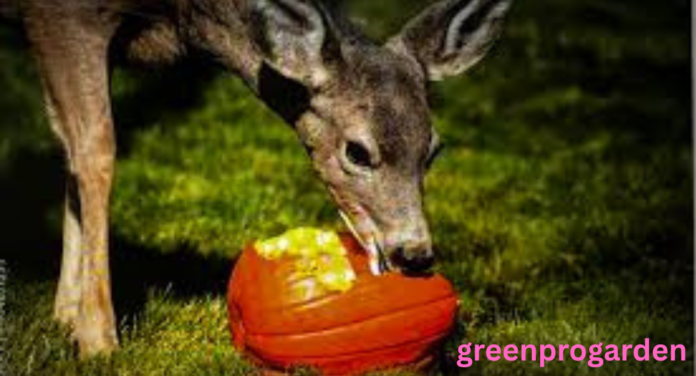
If you’ve ever placed pumpkins in your yard after Halloween or grown them in your garden, you may have wondered whether deer are attracted to them. Do Deer Like Pumpkins are known for eating a wide variety of plants, fruits, vegetables, and crops, so it’s natural to ask: do deer like pumpkins?
The short answer is yes. Deer can and often do eat pumpkins, especially when other food sources become scarce. However, their interest in pumpkins depends on factors such as availability, ripeness, season, and local feeding habits. Understanding why deer eat pumpkins and how they interact with pumpkin plants can help gardeners, farmers, and wildlife enthusiasts better manage their landscapes.
Do Deer Eat Pumpkins?
Yes, deer eat pumpkins. Both wild and suburban deer have been observed feeding on pumpkins, particularly during the fall and winter months. Pumpkins provide moisture, carbohydrates, and nutrients that can be valuable food sources when natural vegetation becomes less abundant.
Deer may eat:
- Whole pumpkins
- Cracked pumpkins
- Pumpkin flesh
- Pumpkin seeds
- Pumpkin leaves
- Pumpkin vines
- Pumpkin flowers
While deer generally prefer tender vegetation, they are opportunistic feeders and will consume pumpkins when available.
Why Are Deer Attracted to Pumpkins?
Pumpkins contain natural sugars and water that appeal to deer. As pumpkins ripen, their flesh becomes softer and sweeter, making them even more attractive.
Several factors draw deer to pumpkins:
- Sweet flavor
- High moisture content
- Easy accessibility
- Nutritional value
- Limited alternative food sources
In regions where food becomes scarce during colder months, pumpkins can become an appealing dietary option.
Do Deer Eat Pumpkin Plants?
Deer don’t just eat the fruit itself. They can also feed on pumpkin plants throughout the growing season.
Pumpkin Leaves
Young pumpkin leaves are tender and contain nutrients that deer find appealing. Deer may browse leaves repeatedly, which can weaken the plant and reduce pumpkin production.
Pumpkin Flowers
Pumpkin blossoms are particularly vulnerable to deer damage. Since flowers are essential for fruit development, deer feeding on blossoms can significantly impact harvest yields.
Pumpkin Vines
In some cases, deer may chew on pumpkin vines, especially when other vegetation is unavailable. Damaged vines can hinder the plant’s ability to transport nutrients and water.
When Do Deer Most Commonly Eat Pumpkins?
The time of year plays a major role in deer feeding behavior.
Fall Season
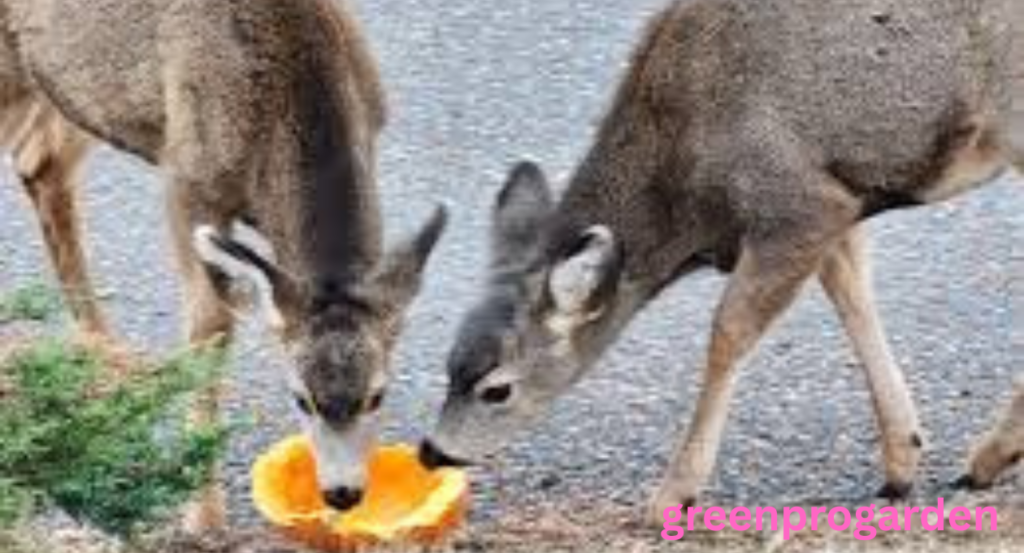
During autumn, pumpkins become ripe and plentiful. Deer often discover pumpkins left in gardens, fields, and yards. This is one of the most common times to observe deer eating pumpkins.
Winter Months
As temperatures drop and natural food sources become limited, deer may increasingly rely on available fruits and vegetables. Pumpkins left outdoors after Halloween can serve as an additional food source during winter.
Early Growing Season
Deer may also browse pumpkin plants in spring and summer when young leaves and shoots are tender and nutritious.
Are Pumpkins Good for Deer?
Pumpkins can provide certain nutritional benefits for deer when consumed in moderation.
Source of Energy
Pumpkins contain carbohydrates that can help provide energy, especially during colder months when deer require additional calories.
Hydration Benefits
Because pumpkins have a high water content, they can help supplement hydration when fresh water sources are less accessible.
Nutrients and Fiber
Pumpkins contain vitamins, minerals, and fiber that contribute to a balanced diet. However, they should not be considered a complete food source for deer.
Wildlife experts generally recommend allowing deer to rely primarily on their natural diet rather than depending heavily on supplemental foods.
Can Pumpkins Attract Deer to Your Property?
Yes, pumpkins can attract deer to your yard, garden, or farmland.
Decorative Pumpkins
Many homeowners place decorative pumpkins outdoors during autumn. Deer may investigate and eventually consume these pumpkins, especially after they begin softening.
Garden-Grown Pumpkins
Pumpkin patches can be particularly attractive to deer because they provide both vegetation and fruit in one location.
Discarded Pumpkins
Pumpkins discarded after Halloween often become easy food sources for local wildlife, including deer.
If deer are already common in your area, pumpkins may encourage them to visit more frequently.
How to Protect Pumpkins From Deer
Gardeners who want to protect their pumpkin crops can use several effective strategies.
Install Fencing
A tall fence is one of the most reliable methods for keeping deer away from pumpkin plants. Fences should generally be at least 8 feet high to deter jumping.
Use Deer Repellents
Commercial deer repellents can help reduce browsing. Many products use scents or tastes that deer find unpleasant.
Plant Deer-Resistant Borders
Surrounding pumpkin patches with plants that deer typically avoid may reduce feeding pressure.
Motion-Activated Devices
Sprinklers, lights, and sound-producing devices can startle deer and discourage them from entering gardens.
Should You Feed Pumpkins to Wild Deer?
While many people enjoy sharing leftover pumpkins with wildlife, feeding wild deer is not always recommended.
Potential Concerns
Regular feeding can:
- Alter natural feeding behaviors
- Increase dependence on human food
- Encourage overcrowding
- Spread disease among deer populations
If you choose to leave pumpkins for wildlife, do so responsibly and follow local wildlife management guidelines.
Conclusion
So, do deer like pumpkins? The answer is definitely yes. Deer are attracted to pumpkins because they provide moisture, energy, and nutrients. They may eat pumpkin flesh, seeds, leaves, flowers, and vines throughout the year. While pumpkins can be a valuable food source for deer, they can also attract unwanted visitors to gardens and pumpkin patches.
Understanding deer behavior can help homeowners and gardeners protect their crops while appreciating the role these animals play in local ecosystems. Whether you’re growing pumpkins or simply decorating for fall, it’s important to know that deer may view those bright orange pumpkins as a tasty meal rather than a seasonal decoration.
Faqs
1. Do deer like eating pumpkins?
Yes, deer generally like eating pumpkins. They are attracted to the sweet flesh, seeds, and high moisture content, especially during the fall and winter months.
2. Will deer eat whole pumpkins?
Deer can eat whole pumpkins, but they often prefer pumpkins that are cracked, cut open, or partially softened because the flesh is easier to access.
3. Do deer eat pumpkin plants?
Yes, deer may eat pumpkin leaves, vines, flowers, and young shoots throughout the growing season.
4. Are pumpkins safe for deer to eat?
Pumpkins are generally safe for deer when eaten in moderation. They provide fiber, vitamins, water, and carbohydrates that can supplement a deer’s natural diet.
5. Do deer eat pumpkin seeds?
Yes, deer will eat pumpkin seeds along with the pumpkin flesh. Seeds contain nutrients and healthy fats that can be beneficial to wildlife.
6. What time of year do deer eat pumpkins most often?
Deer are most likely to eat pumpkins during the fall and winter when pumpkins are abundant and natural food sources become less available.

