Fruits are among nature’s most colorful and nutritious gifts, offering a wide range of flavors, textures, and health benefits. While many fruits are known for their smooth skins, some stand out because of their soft, fuzzy exteriors. These fuzzy fruits are not only visually distinctive but also packed with essential vitamins, minerals, and antioxidants that contribute to overall health and wellness.
From juicy peaches to nutrient-rich kiwis, fuzzy fruits have earned a special place in kitchens and diets around the world. Their unique texture, delicious taste, and impressive nutritional profile make them a favorite among fruit lovers.
What Are Fuzzy Fruits?
Fuzzy fruits are fruits that have a soft layer of tiny hairs or fuzz covering their outer skin. This natural coating serves as a protective barrier against insects, harsh weather, and moisture loss. The fuzz helps the fruit survive during its growth process while maintaining its freshness and quality.
Although many people immediately think of peaches when hearing the term “fuzzy fruit,” several other fruits share this characteristic. These fruits are often rich in nutrients and provide a refreshing addition to a healthy diet.
Common Types of Fuzzy Fruits
There are several well-known fuzzy fruits enjoyed across the globe. Each offers a unique taste, texture, and nutritional value.
Peaches
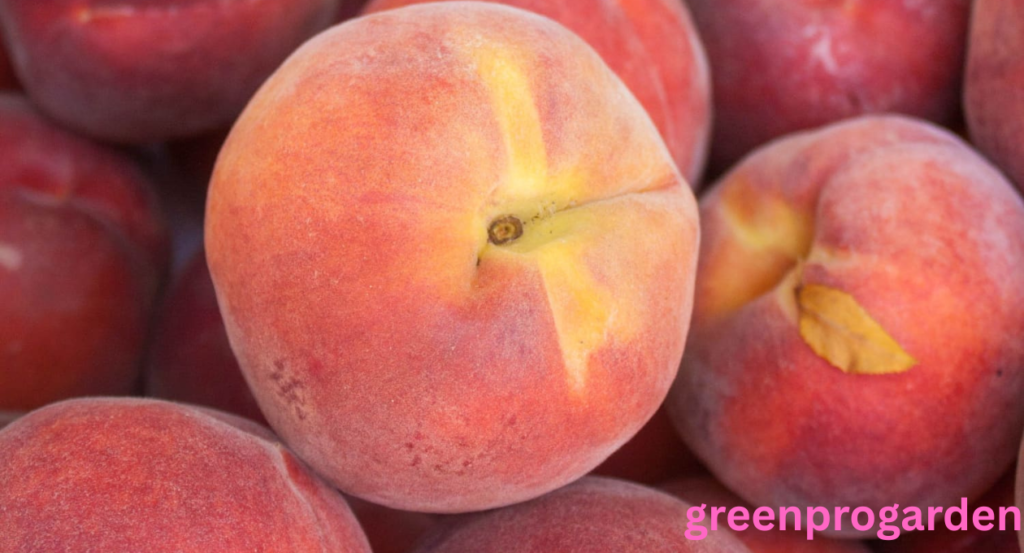
Peaches are perhaps the most recognizable fuzzy fruits. Their soft, velvety skin surrounds juicy flesh that can range from white to deep yellow. Peaches are naturally sweet and are commonly eaten fresh, baked into desserts, or blended into smoothies.
Kiwifruit
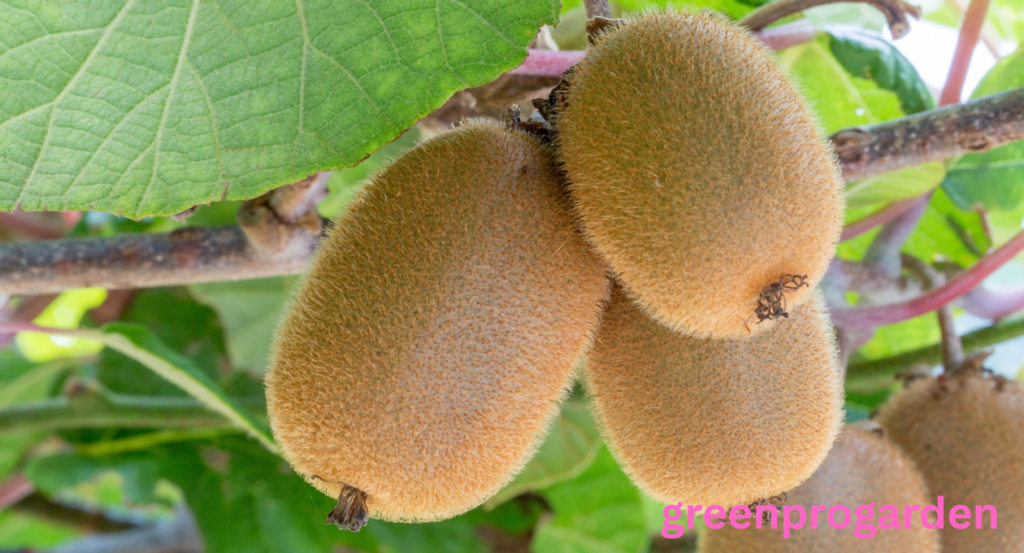
Kiwifruit has a brown fuzzy exterior and bright green flesh dotted with tiny black seeds. It delivers a sweet-tart flavor and is considered one of the best natural sources of vitamin C. Kiwi is commonly used in fruit salads, juices, and healthy snacks.
Apricots
Apricots have a slightly fuzzy texture and a sweet, tangy taste. They are smaller than peaches but contain significant amounts of vitamins A and C. Fresh and dried apricots are both popular choices for healthy eating.
Quinces
Quinces are less common but still belong to the fuzzy fruit family. When young, they are covered in a fine fuzz that gradually disappears as the fruit matures. Quinces are often cooked into jams, jellies, and desserts because of their firm texture.
Nutritional Benefits of Fuzzy Fruits
Fuzzy fruits are loaded with nutrients that support various aspects of health. Including them in your diet can provide numerous benefits.
Rich Source of Vitamins
Many fuzzy fruits contain high levels of vitamins A, C, and E. These vitamins help strengthen the immune system, support healthy vision, and protect cells from oxidative stress.
High in Dietary Fiber
Fiber is essential for digestive health, and fuzzy fruits are an excellent source. Regular consumption can promote healthy digestion, improve gut health, and support weight management by increasing feelings of fullness.
Packed with Antioxidants
Antioxidants help protect the body from damage caused by free radicals. Fuzzy fruits contain compounds such as flavonoids, carotenoids, and polyphenols that contribute to disease prevention and healthy aging.
Low in Calories
Most fuzzy fruits are naturally low in calories while being rich in nutrients. This makes them an ideal choice for individuals looking to maintain a healthy weight without sacrificing flavor.
Health Benefits of Eating Fuzzy Fruits
Adding fuzzy fruits to your daily diet can positively impact your overall well-being.
Strengthens the Immune System
The high vitamin C content found in fruits like kiwi and peaches helps support immune function. A strong immune system is essential for protecting the body against infections and illnesses.
Supports Heart Health
Potassium and fiber found in fuzzy fruits contribute to cardiovascular health. These nutrients help regulate blood pressure, improve cholesterol levels, and reduce the risk of heart disease.
Improves Skin Appearance
The vitamins and antioxidants in fuzzy fruits play a key role in skin health. Vitamin C supports collagen production, while antioxidants help combat skin damage caused by environmental factors.
Promotes Better Digestion
Dietary fiber helps regulate bowel movements and supports a healthy digestive system. Consuming fiber-rich fruits regularly may reduce digestive discomfort and improve gut function.
Why Do Fruits Have Fuzz?
Many people wonder why certain fruits develop a fuzzy coating while others remain smooth.
Natural Protection
The fuzz acts as a defense mechanism against insects and pests that may damage the fruit during growth.
Moisture Control
Tiny hairs help reduce water loss, allowing the fruit to retain moisture and stay fresh longer.
Environmental Shield
Fuzz can provide protection against excessive sunlight, temperature fluctuations, and harsh weather conditions.
Delicious Ways to Enjoy Fuzzy Fruits
Fuzzy fruits are incredibly versatile and can be incorporated into countless recipes and meals.
Fresh and Raw
The simplest way to enjoy fuzzy fruits is to eat them fresh. Wash them thoroughly and enjoy them as a healthy snack.
Smoothies and Juices
Blend peaches, kiwis, or apricots with yogurt, milk, or juice to create refreshing beverages packed with nutrients.
Fruit Salads
Mix different fuzzy fruits with berries, grapes, and citrus fruits for a colorful and nutritious fruit salad.
Baked Desserts
Peaches and apricots are excellent ingredients for pies, cobblers, cakes, and tarts. Their natural sweetness enhances the flavor of baked treats.
Breakfast Toppings
Add sliced fuzzy fruits to oatmeal, cereal, pancakes, or yogurt for a nutrient-rich breakfast.
Conclusion
Fuzzy fruits are much more than their unique appearance. They are nutrient-dense foods that offer a wide range of health benefits, from supporting digestion and heart health to boosting immunity and improving skin appearance. Whether you enjoy juicy peaches, tangy kiwis, sweet apricots, or aromatic quinces, these fruits provide both flavor and nutrition in every bite.
By incorporating fuzzy fruits into your daily diet, you can enjoy a delicious and natural way to support a healthier lifestyle. Their versatility, taste, and impressive nutritional value make them a valuable addition to any balanced eating plan.
Faqs
1. What are fuzzy fruits?
Fuzzy fruits are fruits that have a soft, hairy, or velvety coating on their skin. Common examples include peaches, kiwifruit, apricots, and quinces.
2. Why do some fruits have fuzzy skin?
The fuzzy coating acts as a natural protective barrier that helps prevent moisture loss, protects against insects, and shields the fruit from environmental damage.
3. Are fuzzy fruits healthy?
Yes, fuzzy fruits are highly nutritious. They contain essential vitamins, minerals, fiber, and antioxidants that support overall health and well-being.
4. Which fuzzy fruit contains the most vitamin C?
Kiwifruit is one of the richest sources of vitamin C among fuzzy fruits, providing significant immune system support and antioxidant benefits.
5. Can you eat the fuzzy skin of fruits?
It depends on the fruit. Peach skin is commonly eaten after washing, while many people peel kiwifruit due to its texture, although the skin is edible and nutritious.

