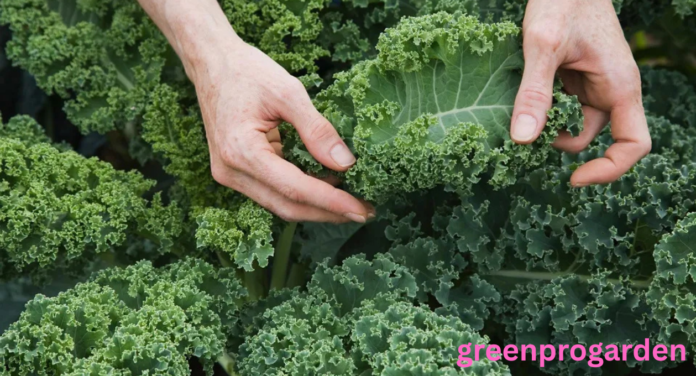
Kale has long been celebrated as one of the world’s healthiest vegetables. Packed with vitamins, minerals, antioxidants, and fiber, it has become a staple ingredient in salads, smoothies, soups, and healthy meal plans. However, in recent years, reports of a kale shortage have raised concerns among consumers, retailers, and farmers alike. This shortage has affected supply chains, increased prices, and highlighted the challenges facing modern agriculture.
The Kale Shortage
A kale shortage occurs when the supply of kale fails to meet market demand. This imbalance can result from several factors, including extreme weather conditions, pest infestations, labor shortages, transportation issues, and changing consumer preferences.
As demand for nutrient-rich foods continues to grow, kale remains one of the most sought-after leafy greens. When production slows or crops are damaged, even temporarily, the market can experience significant disruptions.
The Growing Popularity of Kale
Over the past decade, kale has transformed from a relatively overlooked vegetable into a global health-food sensation. Nutrition experts frequently recommend kale because it contains vitamins A, C, and K, along with calcium, iron, and powerful antioxidants.
Restaurants, grocery stores, and food manufacturers have incorporated kale into countless products, from salads and chips to smoothies and meal kits. This increased popularity has created consistent demand, making supply shortages more noticeable when they occur.
Major Causes of the Kale Shortage
Several factors contribute to shortages in kale production and distribution.
Extreme Weather Conditions
Weather plays a critical role in crop growth. Droughts, floods, heat waves, and unexpected frosts can severely damage kale crops. While kale is generally considered a hardy vegetable, prolonged exposure to extreme conditions can reduce yields and affect crop quality.
Climate change has increased the frequency of unusual weather events, making it more difficult for farmers to maintain stable production levels throughout the year.
Pest and Disease Outbreaks
Kale is vulnerable to various pests and diseases, including aphids, cabbage worms, and fungal infections. Large-scale infestations can destroy significant portions of a harvest before crops reach consumers.
Farmers often invest heavily in pest management strategies, but severe outbreaks can still lead to reduced production and higher costs.
Labor Shortages
Agricultural labor shortages have become a growing challenge worldwide. Harvesting leafy greens requires careful handling, and insufficient labor can delay harvests or leave crops uncollected.
Many farms struggle to find enough workers during peak growing seasons, which can reduce the amount of kale reaching grocery stores and food distributors.
Supply Chain Disruptions
Transportation and logistics issues can also contribute to shortages. Delays in shipping, rising fuel costs, and disruptions at distribution centers may prevent fresh kale from reaching markets on time.
Because kale is highly perishable, even minor transportation problems can result in product loss and reduced availability.
Impact of the Kale Shortage
The effects of a kale shortage extend beyond grocery store shelves.
Higher Prices for Consumers
One of the most noticeable consequences is an increase in retail prices. When supply decreases and demand remains strong, prices naturally rise. Consumers may find themselves paying significantly more for fresh kale than they did previously.
This can particularly affect health-conscious shoppers who regularly include kale in their diets.
Challenges for Restaurants and Food Businesses
Restaurants, cafes, and food manufacturers that rely on kale may face higher ingredient costs or difficulty securing consistent supplies. Some businesses may temporarily substitute other leafy greens such as spinach, Swiss chard, or collard greens.
Menu adjustments and product reformulations can help businesses manage shortages, but these changes may not always satisfy customer expectations.
Financial Pressure on Farmers
Although higher market prices might seem beneficial for growers, shortages often result from crop losses that reduce overall production. Farmers may experience increased expenses related to irrigation, pest control, labor, and crop recovery efforts.
In severe cases, financial losses from damaged crops can outweigh the benefits of higher selling prices.
Alternatives During a Kale Shortage
Consumers do not have to sacrifice nutrition when kale becomes scarce.
Spinach
Spinach offers many of the same nutritional benefits as kale, including vitamins A and C, iron, and antioxidants. It can be used in salads, smoothies, and cooked dishes.
Swiss Chard
Swiss chard provides an excellent source of vitamins and minerals while adding a slightly sweeter flavor to meals. It works well in stir-fries, soups, and side dishes.
Collard Greens
Collard greens are rich in nutrients and can serve as a direct replacement for kale in many recipes. Their sturdy texture makes them suitable for cooking and wrapping foods.
The Future of Kale Production
Agricultural experts are exploring new methods to improve crop resilience and reduce the risk of shortages. Innovations such as precision farming, climate-resistant crop varieties, advanced irrigation systems, and sustainable pest management practices may help stabilize kale production in the future.
Farmers are also diversifying growing regions to reduce dependence on specific geographic areas that may be vulnerable to extreme weather conditions.
Conclusion
The kale shortage highlights the complex challenges facing modern food production systems. Factors such as climate change, pest outbreaks, labor shortages, and supply chain disruptions all contribute to fluctuations in availability. While consumers may experience higher prices and reduced access to kale, alternative leafy greens can provide similar nutritional benefits. Continued investment in agricultural innovation and sustainable farming practices will be essential to ensuring a stable supply of kale and other important crops in the years ahead.
Faqs
1. Why is there a kale shortage?
A kale shortage can occur due to extreme weather conditions, pest infestations, crop diseases, labor shortages, and supply chain disruptions that reduce the amount of kale available in the market.
2. Has climate change contributed to the kale shortage?
Yes. Climate change has increased the frequency of droughts, floods, heat waves, and other extreme weather events that can negatively impact kale production and crop yields.
3. Why has the price of kale increased?
When kale supply decreases while consumer demand remains strong, retailers often raise prices due to limited availability and higher production costs.
4. Is kale still available in grocery stores?
In many areas, kale remains available, but supplies may be limited depending on local growing conditions, seasonal factors, and distribution challenges.
5. What are the best alternatives to kale?
Popular alternatives include spinach, Swiss chard, collard greens, arugula, and mustard greens. These vegetables offer similar nutritional benefits and can be used in many of the same recipes.

