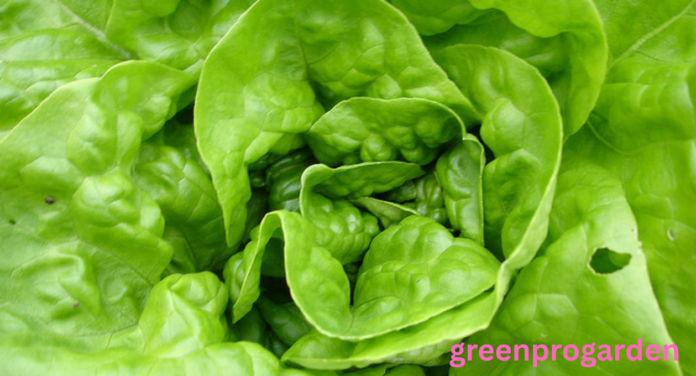
Lettuce is one of the most widely consumed leafy vegetables in the world. Found in salads, sandwiches, wraps, and burgers, it plays an important role in both home kitchens and the food service industry. However, recent lettuce shortages have raised concerns among consumers, retailers, and farmers alike. Rising prices, reduced availability, and supply chain disruptions have made lettuce a topic of discussion across the agricultural sector. Understanding the causes and consequences of this shortage can help consumers and businesses prepare for future challenges.
What Is Causing the Lettuce Shortage?
The lettuce shortage is the result of several interconnected factors that have affected production and distribution. While shortages can occur seasonally, recent events have highlighted deeper vulnerabilities in the agricultural supply chain.
Extreme Weather Conditions
One of the primary causes of lettuce shortages is extreme weather. Lettuce is highly sensitive to temperature fluctuations and requires specific growing conditions. Heat waves, droughts, floods, and unexpected frosts can significantly reduce crop yields.
In many agricultural regions, prolonged periods of high temperatures have caused lettuce crops to mature too quickly or become damaged before harvest. Similarly, heavy rainfall and flooding can destroy fields and make harvesting impossible.
Plant Diseases and Crop Damage
Plant diseases have also contributed to lower lettuce production. Fungal infections, bacterial diseases, and pests can spread rapidly through lettuce fields, reducing the quantity and quality of the harvest.
Farmers often face increased costs when attempting to control outbreaks through pesticides, crop rotation, or other management practices. In severe cases, entire fields may need to be discarded to prevent further spread.
Supply Chain Disruptions
Global supply chains have experienced significant disruptions in recent years. Transportation delays, labor shortages, and increased fuel costs have affected the movement of fresh produce from farms to markets.
Because lettuce has a relatively short shelf life, any delay in transportation can result in spoilage. This creates additional pressure on retailers and wholesalers trying to maintain inventory levels.
The Impact of Lettuce Shortages
The effects of lettuce shortages extend beyond grocery store shelves. Multiple stakeholders throughout the food industry feel the consequences.
Rising Consumer Prices
One of the most noticeable impacts is higher prices. When supply decreases and demand remains steady, prices naturally increase. Consumers may find themselves paying significantly more for lettuce and products that contain it.
Restaurants and food service providers often pass these increased costs on to customers, leading to higher menu prices.
Challenges for Restaurants
Restaurants rely heavily on fresh lettuce for many menu items. Salads, sandwiches, tacos, and burgers often require consistent supplies. During shortages, restaurants may face difficult decisions, including:
- Reducing portion sizes
- Substituting alternative greens
- Raising menu prices
- Temporarily removing certain items
These adjustments can affect customer satisfaction and profitability.
Financial Pressure on Farmers
Although higher prices may seem beneficial for growers, lettuce shortages often create financial challenges for farmers. Crop losses caused by weather or disease can reduce overall revenue despite market price increases.
Farmers also face rising production costs related to irrigation, labor, fertilizers, and pest management. Recovering from a poor harvest can take multiple growing seasons.
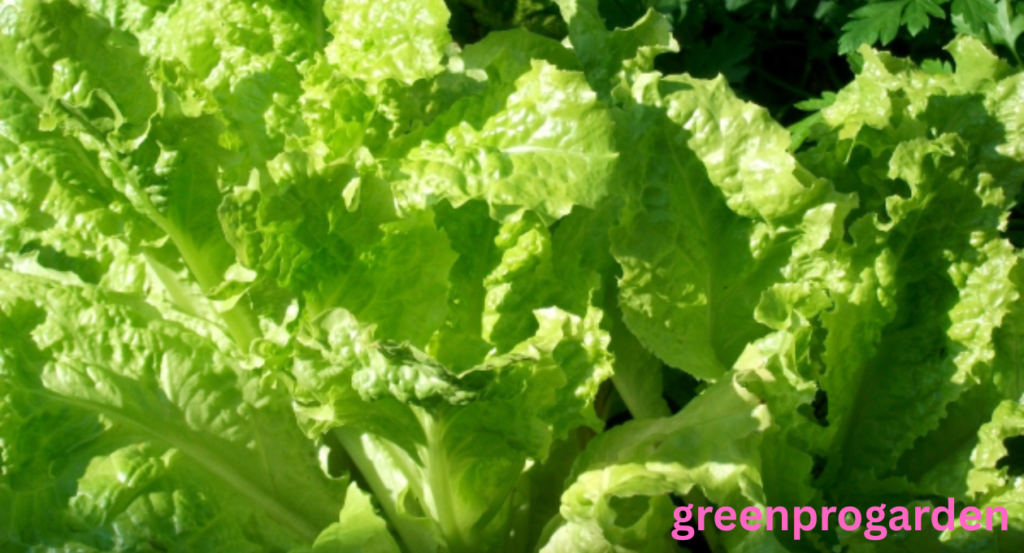
Alternative Greens During a Lettuce Shortage
Consumers and businesses can reduce their dependence on lettuce by exploring alternative leafy greens. Many substitutes offer similar nutritional benefits and culinary versatility.
Spinach
Spinach is a popular alternative that works well in salads, sandwiches, and smoothies. It is rich in vitamins A, C, and K while providing a mild flavor that complements many dishes.
Kale
Kale has gained popularity due to its nutritional profile and durability. Unlike lettuce, kale can withstand a wider range of weather conditions, making it a reliable substitute during shortages.
Arugula
Arugula offers a peppery flavor and can add variety to salads and wraps. Its unique taste makes it a favorite among chefs looking for alternatives to traditional lettuce.
Mixed Greens
Pre-packaged mixed greens often contain a combination of spinach, baby kale, chard, and other leafy vegetables. These blends provide flexibility when lettuce supplies are limited.
Long-Term Solutions to Prevent Future Shortages
Addressing lettuce shortages requires collaboration between farmers, agricultural researchers, governments, and supply chain operators.
Investing in Climate-Resilient Agriculture
As weather patterns become increasingly unpredictable, growers must adopt farming techniques that improve resilience. Advanced irrigation systems, protective coverings, and drought-resistant crop varieties can help reduce weather-related losses.
Expanding Indoor Farming
Indoor farming and hydroponic systems offer promising solutions for year-round lettuce production. These controlled environments reduce dependence on weather conditions while improving water efficiency and crop consistency.
Many urban farming operations are already producing lettuce close to major population centers, reducing transportation challenges and spoilage risks.
Strengthening Supply Chains
Improved logistics, cold storage infrastructure, and transportation networks can help ensure fresh produce reaches consumers efficiently. Diversifying sourcing regions can also reduce the impact of localized crop failures.
Supporting Agricultural Research
Research institutions continue to develop new lettuce varieties that are more resistant to diseases, pests, and environmental stress. Continued investment in agricultural innovation will play a crucial role in securing future food supplies.
Conclusion
The lettuce shortage highlights the complex challenges facing modern agriculture. Extreme weather, plant diseases, and supply chain disruptions have combined to reduce availability and increase prices. While consumers may experience temporary inconvenience, the issue underscores the importance of building more resilient food systems.
By investing in sustainable farming practices, supporting agricultural innovation, and exploring alternative leafy greens, both businesses and consumers can better adapt to future shortages. As the global food industry evolves, proactive solutions will be essential to ensuring a stable and reliable supply of fresh produce for everyone.
Faqs
1. Why is there a lettuce shortage?
The lettuce shortage is mainly caused by extreme weather conditions, crop diseases, labor shortages, and supply chain disruptions. These factors reduce production and affect the availability of lettuce in stores and restaurants.
2. How long will the lettuce shortage last?
The duration of a lettuce shortage depends on weather conditions, crop recovery, and supply chain improvements. Some shortages may last a few weeks, while others can continue for several months.
3. Why has the price of lettuce increased?
Lettuce prices rise when supply decreases and demand remains steady. Crop losses, transportation costs, and labor expenses can also contribute to higher prices.
4. Which types of lettuce are most affected by shortages?
Common varieties such as iceberg lettuce, romaine lettuce, and leaf lettuce are often impacted during shortages, although the severity may vary depending on growing regions and market demand.
5. What are the best substitutes for lettuce?
Popular alternatives include spinach, kale, arugula, cabbage, mixed greens, and Swiss chard. These leafy vegetables can be used in salads, sandwiches, and wraps.
6. How does a lettuce shortage affect restaurants?
Restaurants may face higher ingredient costs, limited menu options, and supply challenges. Some businesses substitute alternative greens or adjust menu prices to manage increased expenses.

