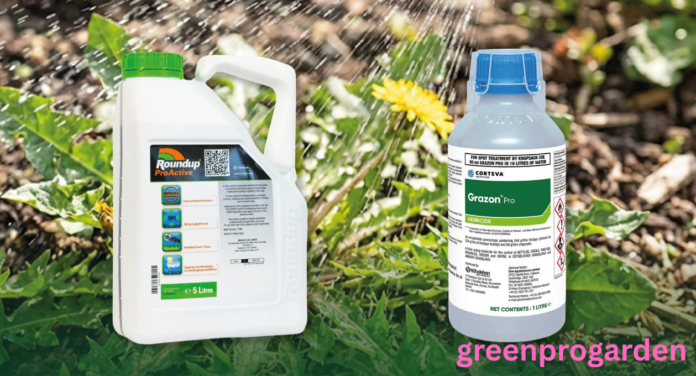
Weed management is a crucial part of maintaining healthy lawns, gardens, agricultural fields, and commercial landscapes. Among the many herbicides available today, Triclopyr vs Glyphosate are two of the most widely used options. While both are effective weed killers, they work differently and are designed for specific applications. Understanding the differences between these herbicides can help you choose the right product for your weed control needs.
What Is Triclopyr?
Triclopyr is a selective systemic herbicide primarily used to control broadleaf weeds, woody plants, and brush. It mimics plant growth hormones, causing uncontrolled growth that eventually kills the target plant.
How Triclopyr Works
Once absorbed through leaves or bark, Triclopyr moves throughout the plant’s vascular system. It disrupts normal growth processes, causing twisting, curling, and eventual plant death. Because it specifically targets broadleaf plants, many grasses remain unaffected.
Common Uses of Triclopyr
- Controlling woody brush and invasive shrubs
- Eliminating broadleaf weeds in lawns
- Managing poison ivy and poison oak
- Clearing fence lines and rights-of-way
- Forestry and vegetation management
What Is Glyphosate?
Glyphosate is a non-selective systemic herbicide that kills most plants it comes into contact with. It is one of the most commonly used herbicides worldwide and is known for its effectiveness against annual and perennial weeds.
How Glyphosate Works
Glyphosate inhibits an enzyme essential for plant growth and survival. After absorption through foliage, it travels throughout the plant, reaching roots and underground structures. This comprehensive action makes it highly effective for complete vegetation control.
Common Uses of Glyphosate
- Eliminating weeds before planting
- Clearing driveways and walkways
- Controlling invasive plant species
- Preparing garden beds
- Managing vegetation in non-crop areas
Triclopyr vs Glyphosate: Key Differences
Although both herbicides are systemic and highly effective, several factors distinguish them.
Selectivity
One of the biggest differences between Triclopyr and Glyphosate is selectivity.
Triclopyr is selective, meaning it primarily targets broadleaf weeds and woody plants while leaving most grasses unharmed. This makes it ideal for lawns and turfgrass applications.
Glyphosate, on the other hand, is non-selective. It kills nearly all vegetation it contacts, including grasses, flowers, shrubs, and weeds.
Target Weeds
Triclopyr excels at controlling:
- Poison ivy
- Clover
- Wild violet
- Woody brush
- Tree saplings
Glyphosate is more effective for:
- Annual weeds
- Perennial weeds
- Grasses
- Broadleaf weeds
- Complete vegetation removal
Speed of Results
Both herbicides require time to move through the plant system.
Triclopyr often shows visible symptoms such as curling and distortion within a few days, while complete control may take several weeks.
Glyphosate typically causes yellowing within one to two weeks, with complete plant death occurring shortly afterward.
Root Control
Glyphosate is known for excellent root system control because it travels efficiently throughout the entire plant. This makes it particularly effective for perennial weeds with extensive root networks.
Triclopyr also provides strong root control, especially on woody plants and brush, but its effectiveness varies depending on the species being treated.
When Should You Use Triclopyr?
Triclopyr is the better choice when you need to remove broadleaf weeds without damaging surrounding grass.
Ideal Applications for Triclopyr
- Lawn weed control
- Brush management
- Poison ivy treatment
- Woody plant removal
- Forestry applications
If maintaining healthy turfgrass is important, Triclopyr provides targeted control while preserving desirable grasses.
When Should You Use Glyphosate?
Glyphosate is best suited for situations where complete vegetation removal is desired.
Ideal Applications for Glyphosate
- Site preparation before planting
- Garden bed renovation
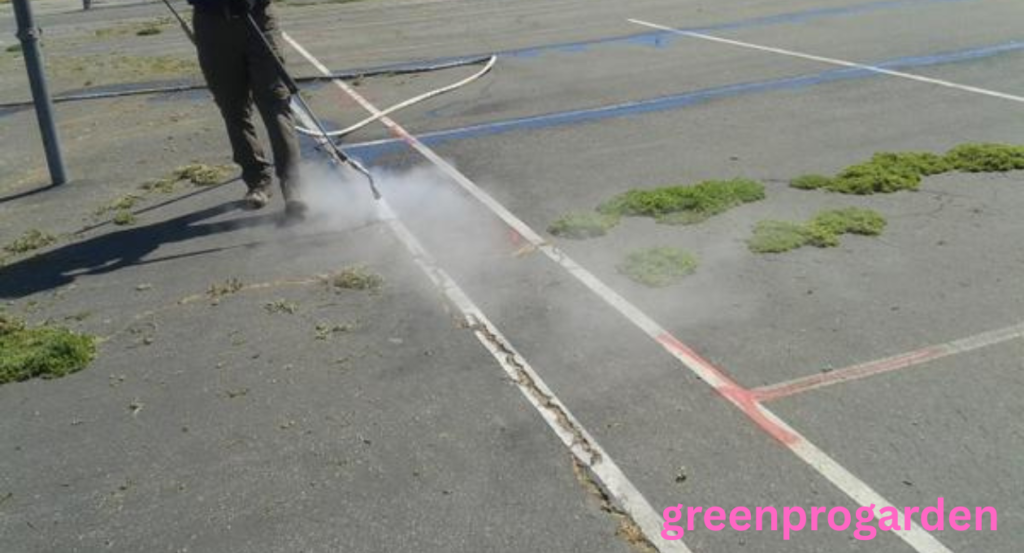
- Driveway and sidewalk weed control
- Fence-line maintenance
- Invasive weed eradication
Because it kills nearly all plants it contacts, careful application is necessary to avoid damage to desirable vegetation.
Environmental Considerations
Proper herbicide use is essential for minimizing environmental impact.
Triclopyr Environmental Impact
Triclopyr generally breaks down in soil over time and has moderate persistence. Users should avoid applications near sensitive water bodies unless specifically labeled for aquatic use.
Glyphosate Environmental Impact
Glyphosate binds strongly to soil particles, reducing movement through the soil. However, users should still follow label instructions to minimize potential environmental risks.
In both cases, following manufacturer recommendations and local regulations helps ensure safe and effective use.
Cost Comparison
The cost of Triclopyr and Glyphosate varies depending on concentration, brand, and application area.
Generally:
- Glyphosate products are widely available and often less expensive for large-scale vegetation control.
- Triclopyr products may cost more but provide specialized control of broadleaf weeds and woody plants.
The best value depends on the specific weeds being targeted and the desired outcome.
Conclusion
When comparing Triclopyr vs Glyphosate, there is no one-size-fits-all answer. Triclopyr is the superior option for controlling broadleaf weeds, brush, and woody plants while preserving grass. Glyphosate is the preferred choice for complete vegetation removal and broad-spectrum weed control.
Before selecting an herbicide, consider the type of weeds present, surrounding vegetation, and your long-term landscaping goals. Choosing the right product will improve effectiveness, reduce costs, and help maintain a healthier outdoor environment.
Faqs
1. Is Triclopyr stronger than Glyphosate?
Not necessarily. Triclopyr is more effective against broadleaf weeds, woody plants, and brush, while Glyphosate is better for broad-spectrum vegetation control. The “stronger” option depends on the type of weeds you are targeting.
2. Does Triclopyr kill grass?
Most Triclopyr formulations are selective and generally do not harm established grasses when used according to label instructions. However, it can damage desirable broadleaf plants, flowers, and shrubs.
3. Does Glyphosate kill grass?
Yes. Glyphosate is a non-selective herbicide that kills most plants it contacts, including grass, weeds, flowers, and shrubs.
4. Which herbicide is better for poison ivy?
Triclopyr is typically considered one of the most effective herbicides for controlling poison ivy, poison oak, and other woody vines.
5. How long does it take Triclopyr to work?
Visible symptoms such as leaf curling and twisting may appear within a few days, but complete plant death can take one to three weeks depending on the weed species and growing conditions.

