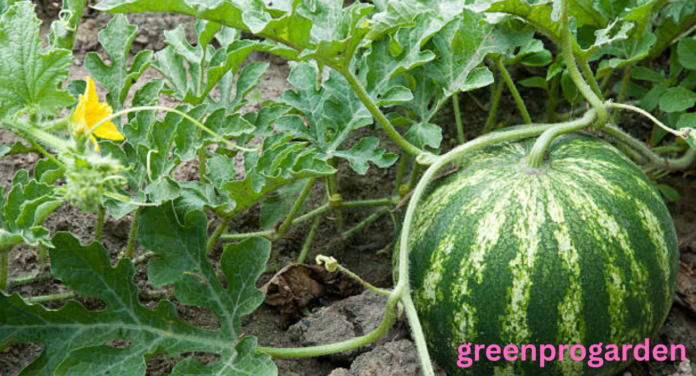
Watermelon is one of the most popular summer fruits, loved for its sweet taste and refreshing texture. Growing watermelon can be a rewarding experience, whether you have a large garden or a small backyard. Understanding the different watermelon growing stages helps gardeners provide the right care at the right time, resulting in healthy plants and juicy fruits.
In this guide, we will explore every stage of watermelon growth, from planting seeds to harvesting ripe melons.
Stage 1: Seed Germination
The first stage of watermelon growth is seed germination. Healthy seeds need warm soil and adequate moisture to sprout successfully.
How Germination Works
Watermelon seeds usually germinate within 5 to 10 days when soil temperatures remain between 70°F and 95°F. During this stage:
- Seeds absorb water.
- The outer seed coat softens.
- Tiny roots emerge first.
- A shoot grows upward through the soil.
Keep the soil consistently moist but avoid overwatering, as soggy soil can cause seeds to rot.
Tips for Better Germination
- Use well-drained soil.
- Plant seeds about 1 inch deep.
- Choose a sunny location.
- Keep soil warm for faster sprouting.
Stage 2: Seedling Development
After germination, seedlings begin to develop their first leaves and establish roots.
What Happens During This Stage?
Seedlings first produce two seed leaves, called cotyledons. Soon after, true leaves appear, which resemble mature watermelon leaves.
During this period:
- Roots spread deeper into the soil.
- Leaves start photosynthesis.
- Plants become stronger each day.
Seedlings are delicate and can be damaged by frost, pests, or excessive watering.
Caring for Young Seedlings
Provide:
- At least 6 to 8 hours of sunlight daily.
- Moderate watering.
- Protection from cold temperatures.
- Gentle fertilizer if needed.
Healthy seedlings are the foundation of a productive watermelon harvest.
Stage 3: Vine Growth
Once seedlings become established, watermelon plants enter the vine growth stage.
Rapid Expansion
This stage is marked by vigorous growth. The vines spread across the ground and can reach lengths of 10 to 20 feet depending on the variety.
The plant focuses on:
- Producing large leaves.
- Developing strong stems.
- Expanding its root system.
- Storing energy for flowering.
Because vines grow quickly, plants require plenty of nutrients and water.
Supporting Healthy Vine Growth
To encourage vigorous vines:
- Apply compost or balanced fertilizer.
- Remove weeds regularly.
- Water deeply once or twice a week.
- Mulch around plants to conserve moisture.
Strong vines are essential because they support flowers and developing fruits later in the season.
Stage 4: Flowering Stage
After several weeks of vine growth, watermelon plants begin producing flowers.
Male and Female Flowers
Watermelon plants produce two types of flowers:
Male Flowers
Male flowers appear first and contain pollen. Their main purpose is pollination.
Female Flowers
Female flowers appear later and have a small swelling at the base, which eventually develops into a watermelon if pollinated successfully.
Pollination Process
Pollination usually occurs through bees and other insects. They transfer pollen from male flowers to female flowers.
Poor pollination may result in:
- Misshapen fruits.
- Small fruits.
- Fruits that stop growing.
Encouraging pollinators by planting flowers nearby can improve fruit production significantly.
Stage 5: Fruit Formation
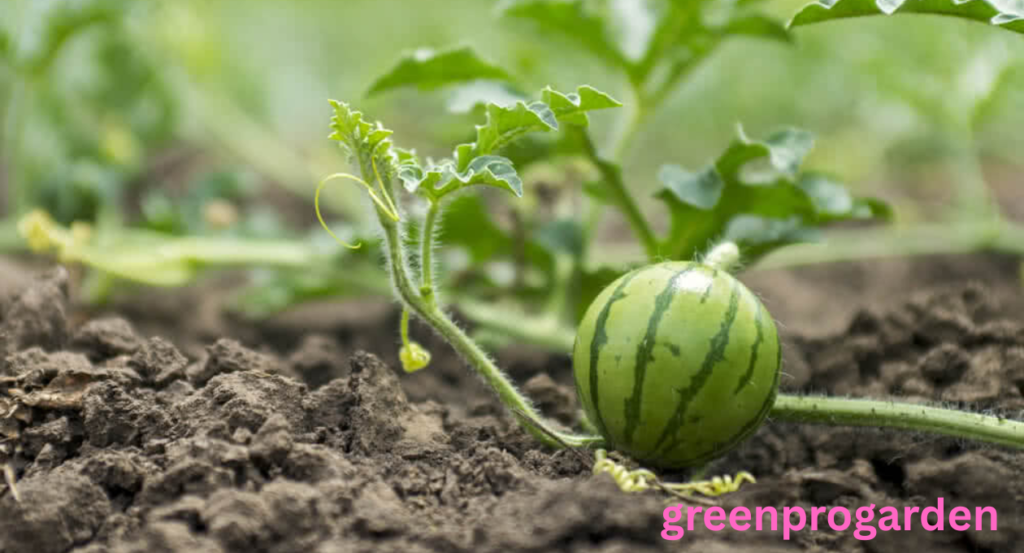
Once pollination is successful, the tiny swelling behind the female flower begins to grow into a watermelon.
Early Fruit Development
At first, fruits are very small, often no larger than a marble. Over the next few weeks:
- Fruits increase rapidly in size.
- The rind thickens.
- Sugar begins accumulating.
- The plant directs most of its energy toward fruit growth.
This stage requires consistent watering because irregular moisture can affect fruit quality.
Common Problems
Gardeners may notice:
- Cracked fruits from uneven watering.
- Blossom-end rot due to calcium imbalance.
- Pest damage from insects.
Regular monitoring helps prevent these issues before they become severe.
Stage 6: Fruit Maturation
As fruits approach maturity, their appearance and sweetness begin to change.
Signs of Maturing Watermelons
Several changes occur during this stage:
- The rind becomes harder.
- The fruit reaches its full size.
- Sugar levels rise.
- The underside changes from white to creamy yellow.
The watermelon gains its characteristic sweet flavor during this period.
Watering During Maturation
Many gardeners reduce watering slightly as harvest approaches. Less water can:
- Improve sweetness.
- Prevent fruit cracking.
- Enhance flavor concentration.
However, plants should never be allowed to dry out completely.
Stage 7: Harvesting
Harvesting at the right time is one of the most important watermelon growing stages.
How to Tell if a Watermelon Is Ripe
Look for these signs:
- The underside has turned creamy yellow.
- The curly tendril nearest the fruit turns brown and dries.
- The rind becomes dull rather than shiny.
- The fruit produces a deep sound when tapped.
Harvesting too early can result in bland fruit, while harvesting too late may reduce quality.
Harvesting Tips
- Use a sharp knife or pruning shears.
- Leave a short stem attached.
- Handle fruits gently to avoid bruising.
- Store harvested watermelons in a cool place.
Freshly harvested watermelons are sweetest when eaten within a few days.
Conclusion
Watermelon plants go through several fascinating growing stages, including germination, seedling growth, vine expansion, flowering, fruit formation, maturation, and harvest. Each stage has unique requirements, and providing proper care throughout the growing season helps ensure healthy plants and delicious fruits.
By understanding these watermelon growing stages, gardeners can enjoy larger harvests and sweeter melons year after year. With warmth, sunlight, regular watering, and patience, you can successfully grow watermelons and enjoy one of summer’s most refreshing treats.
Faqs
1. How long does it take for a watermelon to grow from seed to harvest?
Most watermelon varieties take between 70 and 100 days from planting seeds to harvesting ripe fruits. The exact time depends on the variety and growing conditions.
2. What is the first stage of watermelon growth?
The first stage is seed germination. During this stage, the seed absorbs water, develops roots, and sends a shoot above the soil surface.
3. How often should watermelon plants be watered?
Watermelon plants generally need 1 to 2 inches of water per week. Deep watering is best, especially during vine growth and fruit development.
4. How can I tell if my watermelon is ripe?
A ripe watermelon usually has:
- A creamy yellow spot on the underside.
- A dried brown tendril near the fruit stem.
- A dull-looking rind.
- A deep, hollow sound when tapped.

