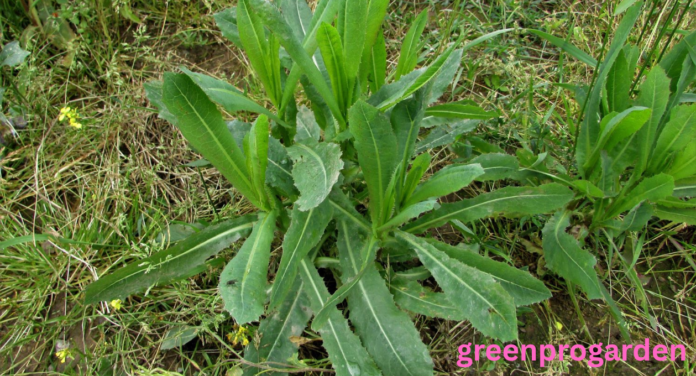
Wild lettuce is a popular plant often discussed in herbal and foraging communities because of its traditional uses and unique appearance. However, many plants closely resemble Wild Lettuce Look Alikes, making identification confusing for beginners. Some look alike species are harmless, while others may be toxic if consumed accidentally.
Learning how to recognize wild lettuce and distinguish it from similar plants is important for safe foraging. In this guide, we’ll explore the most common wild lettuce look alikes, their identifying features, and the key differences you should know before collecting any wild plants.
What Is Wild Lettuce?
Wild lettuce is commonly known as bitter lettuce or opium lettuce. It belongs to the daisy family and typically grows in fields, roadsides, gardens, and disturbed soil areas.
Common Features of Wild Lettuce
Wild lettuce usually has:
- Tall green stems
- Spiny or serrated leaves
- Small yellow flowers
- Milky white sap when cut
- A bitter smell or taste
The plant can grow several feet tall and often appears during spring and summer.
Why Proper Identification Matters
Many plants in the wild share similar leaf shapes, flower structures, and growth habits with wild lettuce. Misidentification can lead to consuming plants that may cause stomach upset or other health issues.
Risks of Misidentification
Incorrectly identifying wild plants may result in:
- Digestive problems
- Allergic reactions
- Exposure to toxic compounds
- Unsafe herbal use
For this reason, beginners should never eat wild plants without complete identification from reliable sources or experienced foragers.
Common Wild Lettuce Look Alikes
Several weeds and flowering plants are often mistaken for wild lettuce because of their similar appearance.
Sow Thistle
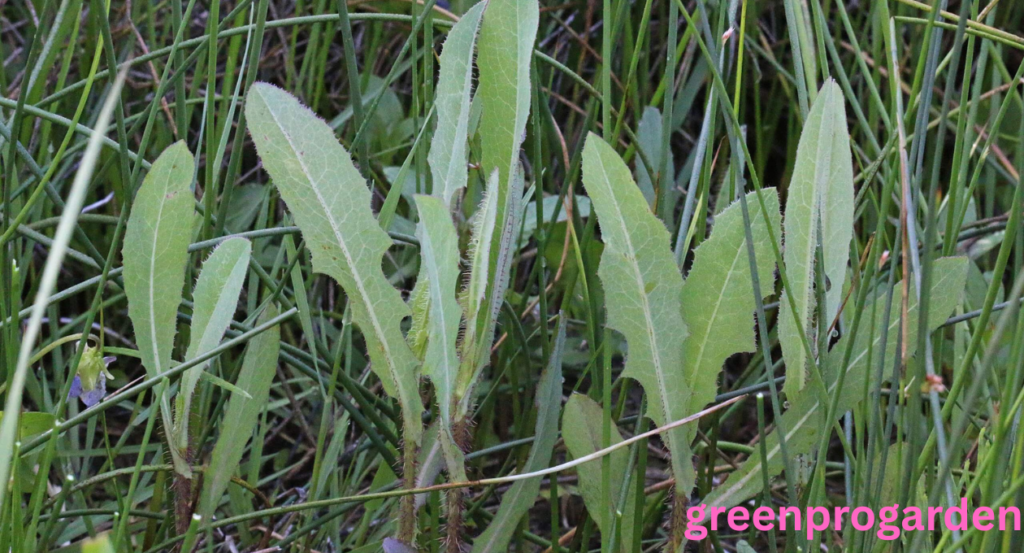
Sow thistle is one of the most common wild lettuce look alikes.
How to Identify Sow Thistle
Sow thistle usually has:
- Soft spiny leaves
- Hollow stems
- Yellow dandelion-like flowers
- Milky sap
Although it resembles wild lettuce, sow thistle leaves are generally softer and less bitter.
Key Difference
Wild lettuce often has a more rigid central stem with noticeable spines underneath the leaves, while sow thistle appears softer overall.
Prickly Lettuce
Prickly lettuce is extremely similar to wild lettuce and is sometimes confused because they belong to the same family.
Features of Prickly Lettuce
- Tall upright growth
- Spines on leaf undersides
- Yellow flowers
- White milky sap
Many people actually consider prickly lettuce to be a form of wild lettuce because of their close relationship.
Key Difference
Prickly lettuce typically has more pronounced spines running along the leaf midrib.
Dandelion
Young wild lettuce plants are often mistaken for dandelions during early growth stages.
Similarities
- Jagged leaves
- Yellow flowers
- Milky sap
Key Difference
Dandelions grow close to the ground in a rosette shape, while wild lettuce eventually develops tall branching stems.
Cat’s Ear
Cat’s ear is another yellow flowering weed commonly confused with wild lettuce.
Identification Features
- Hairy leaves
- Dandelion-like flowers
- Low growing pattern
Key Difference
Wild lettuce leaves are usually smoother and grow on tall stems rather than remaining close to the ground.
Spiny Sow Thistle
Spiny sow thistle looks almost identical to wild lettuce at first glance.
Common Characteristics
- Yellow flowers
- Spiny leaves
- Milky sap
- Tall growth
Key Difference
Spiny sow thistle often has shinier leaves and a more branching growth structure than wild lettuce.
How to Identify Wild Lettuce Correctly
Careful observation is the best way to identify wild lettuce safely.
Check the Stem
Wild lettuce usually has a tall, sturdy stem that may contain purple spots or vertical ridges.
Look Under the Leaves
One of the easiest ways to identify wild lettuce is by checking for small spines underneath the leaf midrib.
Examine the Sap
When broken, wild lettuce releases a white milky sap known as latex.
Observe the Flowers
Wild lettuce flowers are small, yellow, and resemble dandelions but usually appear in clusters on tall stalks.
Tips for Safe Foraging
Foraging can be rewarding, but safety should always come first.
Use a Plant Identification Guide
Carry a reliable plant guide or use trusted educational resources before harvesting wild plants.
Avoid Polluted Areas
Do not collect plants near roadsides, industrial areas, or places treated with pesticides.
Start Small
If you are new to foraging, begin with easily identifiable plants and learn from experienced foragers whenever possible.
Never Guess
If you are uncertain about a plant’s identity, do not consume it.
Conclusion
Wild lettuce has several look alike plants that can confuse even experienced foragers. Species like sow thistle, prickly lettuce, dandelion, and cat’s ear share many similar features, including jagged leaves and yellow flowers.
The best way to safely identify wild lettuce is by examining the leaf structure, stem, flowers, and milky sap carefully. Proper identification is essential before using or consuming any wild plant.
By learning the differences between wild lettuce and its look alikes, you can forage more confidently and reduce the risk of mistakes in the wild.
faqs
What plant is most commonly mistaken for wild lettuce?
Sow thistle is one of the most common plants mistaken for wild lettuce because both have yellow flowers, jagged leaves, and milky sap.
How can you identify wild lettuce?
Wild lettuce can be identified by its tall stem, spiny leaf undersides, small yellow flowers, and white milky sap that appears when the plant is cut.
Is prickly lettuce the same as wild lettuce?
Prickly lettuce is closely related to wild lettuce and is often considered a type of wild lettuce by many foragers and herbal enthusiasts.
Are wild lettuce look alikes dangerous?
Some look alike plants are harmless, while others may cause digestive discomfort or other health problems if consumed incorrectly. Proper identification is important before eating any wild plant.
Does wild lettuce have milky sap?
Yes, wild lettuce produces a white milky sap when the stem or leaves are broken

