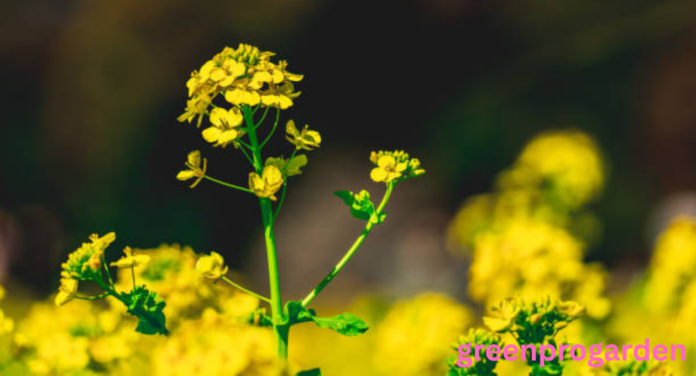
Wild mustard is a common plant found in fields, roadsides, gardens, and open landscapes across many parts of the world. Known for its bright yellow flowers and edible leaves, wild mustard is often used in salads, soups, and herbal remedies. However, many plants closely resemble Wild Mustard Look Alikes, making identification challenging for beginner foragers and gardeners.
Some wild mustard look alikes are harmless and edible, while others can be toxic or unpleasant to consume. Learning how to distinguish these plants is important for safety and successful foraging. In this guide, we will explore the most common wild mustard look alikes, their identifying features, and tips for proper identification.
What Is Wild Mustard?
Appearance of Wild Mustard
Wild mustard belongs to the Brassicaceae family, which includes cabbage, broccoli, and kale. It typically features:
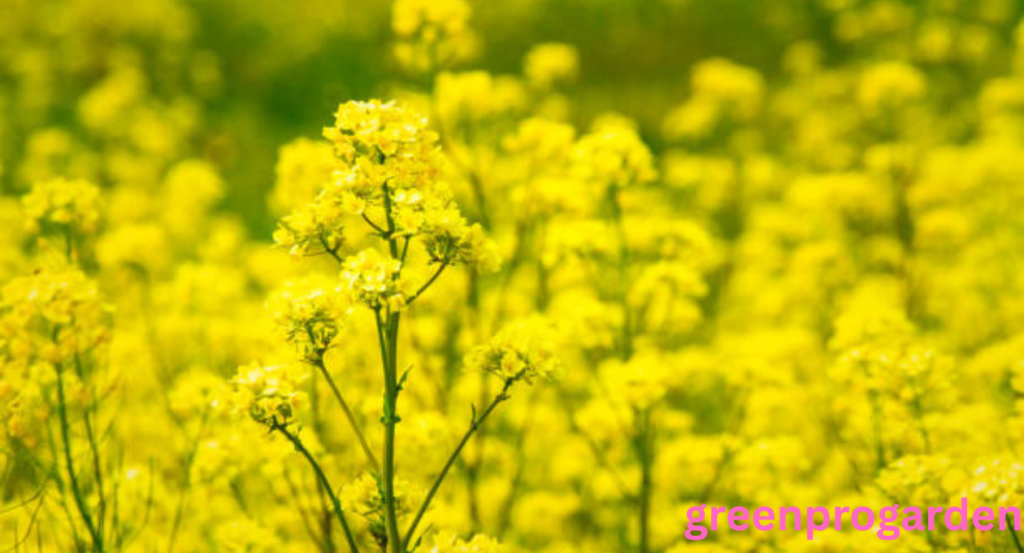
- Bright yellow flowers with four petals
- Jagged or lobed green leaves
- Thin green stems
- Seed pods known as siliques
- A peppery or spicy scent when crushed
Wild mustard usually blooms during spring and early summer and grows aggressively in disturbed soils and farmland.
Why Identification Matters
Although wild mustard is edible, several plants mimic its appearance. Mistaking a toxic plant for wild mustard can lead to health risks. Proper plant identification helps avoid accidental poisoning and protects native ecosystems.
Common Wild Mustard Look Alikes
Wild Radish
Similarities to Wild Mustard
Wild radish is one of the most common plants confused with wild mustard. It has similar yellow flowers and leafy green stems.
Key Differences
- Wild radish flowers may appear white, pink, or purple in addition to yellow
- The seed pods are segmented and look bead-like
- Leaves are rougher and hairier than wild mustard
Wild radish is generally edible but has a stronger, spicier flavor.
Charlock Mustard
Close Relative of Wild Mustard
Charlock mustard closely resembles wild mustard because both belong to the mustard family.
Identification Features
- Larger flower clusters
- Hairy stems
- Darker green leaves
- Thick seed pods
Charlock mustard is also edible and commonly found in agricultural fields.
Garlic Mustard
An Invasive Plant Species
Garlic mustard is another common look alike, especially in wooded areas.
How to Identify It
- White flowers instead of yellow
- Heart-shaped leaves
- Strong garlic smell when crushed
- Prefers shady environments
Unlike wild mustard, garlic mustard spreads aggressively and threatens native plant species in many regions.
Toxic Plants Mistaken for Wild Mustard
Poison Hemlock
Dangerous Similarity
Young poison hemlock plants can sometimes be mistaken for mustard greens because of their leafy appearance.
Warning Signs
- Purple-spotted stems
- Fern-like leaves
- No yellow flowers
- Unpleasant odor
Poison hemlock is extremely toxic and should never be consumed. Even small amounts can be fatal.
Field Pennycress
Similar Appearance
Field pennycress belongs to the mustard family and shares many visual similarities.
Distinguishing Characteristics
- Flat, round seed pods
- Smaller flowers
- Strong unpleasant smell
While not highly toxic, field pennycress is generally considered undesirable for consumption.
Dog Mustard
Another Mustard Relative
Dog mustard often grows alongside wild mustard and looks very similar.
Key Differences
- More deeply divided leaves
- Smaller flowers
- Strong bitter taste
It is not commonly eaten due to its unpleasant flavor.
How to Safely Identify Wild Mustard
Examine the Flowers
Wild mustard flowers typically have four bright yellow petals arranged in a cross shape. Flower color and arrangement are among the easiest ways to identify mustard family plants.
Check the Leaves
The leaves of wild mustard are usually lobed, jagged, and slightly rough. Comparing leaf texture and shape helps separate it from toxic look alikes.
Smell the Plant
Crushing the leaves or stems often releases a spicy, mustard-like scent. Plants lacking this odor may not be true wild mustard.
Observe the Seed Pods
Seed pods are one of the best identification tools. Wild mustard pods are long and narrow, while look alikes may have segmented, round, or flattened pods.
Consider the Growing Location
Wild mustard commonly grows in sunny open spaces, farmland, and roadsides. Plants growing in deep forests or wet areas may belong to different species.
Are Wild Mustard Look Alikes Edible?
Edible Species
Several look alike plants are edible, including:
- Wild radish
- Charlock mustard
- Certain mustard relatives
However, taste and texture can vary significantly.
Plants to Avoid
Avoid consuming any plant unless you are completely certain of its identity. Poison hemlock and other toxic species can cause serious illness or death.
When in doubt, consult a local plant expert, field guide, or experienced forager.
Tips for Beginner Foragers
Use a Field Guide
A regional plant identification guide can help you compare leaves, flowers, and seed structures.
Learn From Experts
Joining local foraging groups or nature walks is a great way to gain hands-on identification experience.
Never Eat Unknown Plants
Even experienced foragers make mistakes. Always verify plant identification before tasting or harvesting.
Conclusion
Wild mustard is a versatile and recognizable plant, but several look alikes can confuse even experienced foragers. Some resemble wild mustard closely while others pose potential health risks if misidentified.
By carefully examining flowers, leaves, stems, seed pods, and scent, you can improve your identification skills and forage more safely. Whether you are a gardener, nature enthusiast, or beginner forager, understanding wild mustard look alikes is an important step toward safe and responsible plant exploration.
Faqs
What plants look similar to wild mustard?
Common wild mustard look alikes include wild radish, charlock mustard, garlic mustard, field pennycress, and poison hemlock.
Is wild mustard safe to eat?
Yes, wild mustard is generally edible when properly identified. The leaves, flowers, and seeds are commonly used in cooking.
How can I identify wild mustard?
Wild mustard usually has bright yellow four-petal flowers, jagged leaves, narrow seed pods, and a spicy mustard-like smell.
What is the most dangerous wild mustard look alike?
Poison hemlock is one of the most dangerous plants mistaken for wild mustard because it is highly toxic and potentially fatal.

