Introduction
Mullein look alikes is a well-known wild plant recognized for its tall flower spike, soft fuzzy leaves, and traditional herbal uses. Many foragers and gardeners search for mullein because it has been used in herbal remedies for centuries. However, several plants closely resemble mullein, especially during the early growth stages. Knowing the difference between mullein and its look alikes is important for safe identification and proper use.
This guide explains the most common mullein look alikes and how to identify the real plant correctly.
What Does Mullein Look Like?
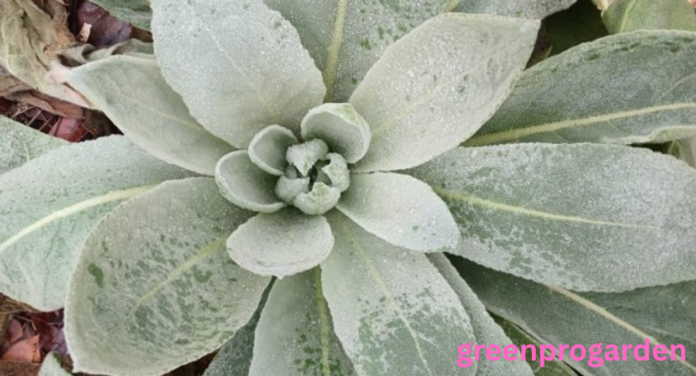
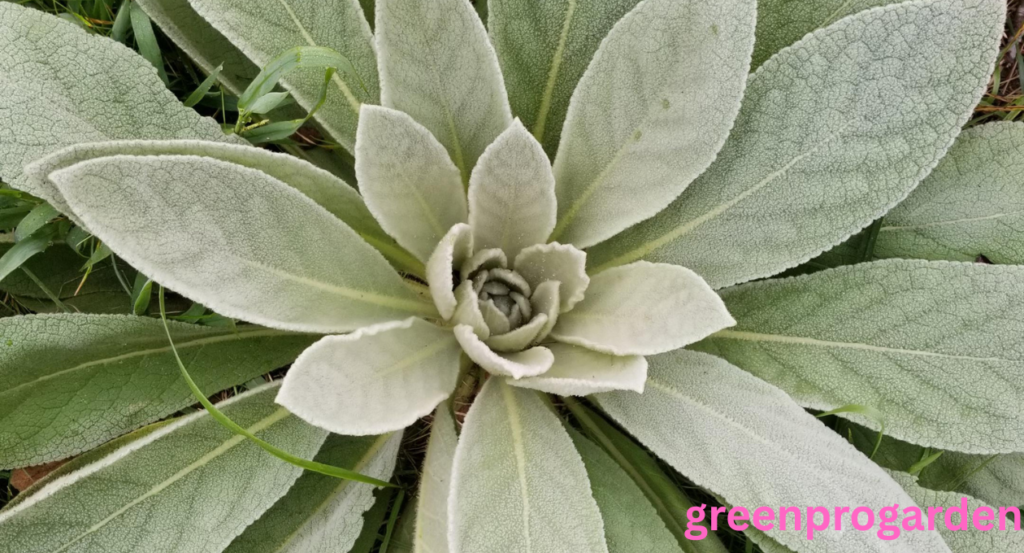
Mullein, especially common mullein (Verbascum thapsus), grows with thick, woolly leaves that feel soft like velvet. During its second year, it develops a tall flower stalk with small yellow flowers. The plant can grow over six feet tall in open sunny areas.
Key Features of Mullein
- Soft gray-green fuzzy leaves
- Tall central flower spike
- Yellow flowers blooming in summer
- Thick rosette leaves during the first year
- Grows in dry fields and roadsides
Because of its unique texture, many people assume mullein is easy to identify. However, several plants can still cause confusion.
Common Mullein Look Alikes
Lamb’s Ear
Lamb’s ear is one of the most common plants mistaken for mullein because of its fuzzy leaves.
How to Tell the Difference
- Lamb’s ear leaves are smaller and more silvery
- It grows closer to the ground
- Flower spikes are shorter and less dramatic
- Often found in gardens rather than wild fields
While both plants feel soft, lamb’s ear has a more decorative appearance.
Foxglove
Young foxglove plants can resemble mullein during the rosette stage.
Important Differences
- Foxglove leaves are darker green
- Leaves are not as thick or woolly
- Produces purple or pink bell-shaped flowers
- Foxglove is toxic if consumed
This is an important distinction because foxglove contains dangerous compounds that should never be eaten accidentally.
Comfrey
Comfrey also has large fuzzy leaves that can confuse beginners.
Identification Tips
- Comfrey leaves are rougher and more prickly
- Purple flowers appear in hanging clusters
- Leaves grow more densely around the stem
- Commonly found in moist soil
Unlike mullein, comfrey does not produce a tall yellow flower spike.
Common Burdock
Burdock has large leaves that sometimes resemble mullein from a distance.
Main Differences
- Burdock leaves are much broader
- Undersides are whitish but not velvety
- Produces burr seed heads
- Grows aggressively in disturbed areas
The burrs are usually the easiest way to identify burdock later in the season.
Why Proper Identification Matters
Correct plant identification is essential when foraging or using herbs. Some mullein look alikes may be harmless, while others can be toxic. Beginners should avoid consuming any wild plant unless they are fully certain of its identity.
Safety Tips for Plant Identification
- Use multiple field guides
- Examine flowers, stems, and leaf texture
- Avoid harvesting near roadsides with pollution
- Compare several plant characteristics before picking
- Consult experienced foragers when unsure
Taking time to learn plant differences can prevent mistakes and improve foraging confidence.
Best Places to Find True Mullein
Mullein commonly grows in sunny, dry locations such as:
- Open meadows
- Gravel roadsides
- Empty lots
- Hillsides
- Pastures
The plant thrives in disturbed soil and often appears in large patches.
Conclusion
Mullein is a distinctive medicinal plant, but several species can resemble it at first glance. Lamb’s ear, foxglove, comfrey, and burdock are among the most common mullein look alikes. By paying attention to leaf texture, flower shape, and growth habits, you can identify true mullein more accurately.
Learning proper plant identification not only improves your foraging skills but also helps you stay safe when exploring wild herbs.
Faqs
What plants are commonly mistaken for mullein?
Several plants are often confused with mullein, including lamb’s ear, foxglove, comfrey, and common burdock. These plants may share fuzzy leaves or similar growth patterns.
How can I identify real mullein?
Real mullein has soft velvety leaves, a tall central flower stalk, and small yellow flowers. The leaves are thick, fuzzy, and gray-green in color.
Is foxglove similar to mullein?
Yes, young foxglove plants can look similar to mullein during the early rosette stage. However, foxglove produces bell-shaped purple flowers and is toxic if consumed.
Can you safely eat mullein look alikes?
Not all mullein look alikes are safe to consume. Some plants, such as foxglove, can be dangerous. Always confirm plant identification before using any wild herb.
Where does mullein usually grow?
Mullein commonly grows in dry, sunny areas like roadsides, open fields, meadows, and disturbed soil.

