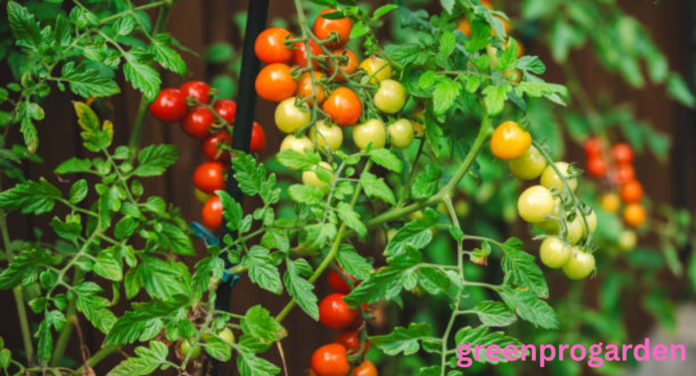
Tomatoes shortage are one of the most widely used vegetables in households and restaurants around the world. From salads and soups to sauces and curries, tomatoes are an essential ingredient in daily cooking. However, many countries have recently faced a serious tomatoes shortage, causing prices to rise sharply and creating difficulties for consumers, farmers, and businesses alike.
A tomatoes shortage not only affects kitchens but also impacts the economy, food supply chains, and agricultural markets. Understanding the reasons behind this shortage and exploring possible solutions can help governments, farmers, and consumers better prepare for future challenges.
What Is a Tomatoes Shortage?
A tomatoes shortage occurs when the supply of tomatoes becomes lower than market demand. This imbalance leads to higher prices and limited availability in local markets and supermarkets.
Several factors can contribute to such shortages, including climate change, crop diseases, transportation issues, and rising farming costs. In many regions, tomatoes are highly sensitive to weather conditions, making them vulnerable to sudden production declines.
Major Causes of Tomatoes Shortage
Climate Change and Extreme Weather
One of the main causes of tomatoes shortage is climate change. Tomatoes require balanced temperatures and proper rainfall for healthy growth. Excessive heat, floods, droughts, or unexpected storms can damage crops and reduce production significantly.
In many farming regions, rising temperatures have shortened growing seasons and lowered crop quality. Heavy rains can also destroy tomato fields and make harvesting difficult.
Plant Diseases and Pest Attacks
Tomato plants are vulnerable to several diseases and pests. Viral infections, fungal diseases, and insect attacks can spread quickly across farms and destroy large portions of crops.
Farmers often struggle to control these problems because pesticides and disease management methods can be expensive. When disease outbreaks occur on a large scale, tomato supplies decrease rapidly.
Rising Farming Costs
Modern farming requires fertilizers, fuel, seeds, labor, and irrigation systems. The prices of these resources have increased in recent years, making tomato farming more expensive.
Many farmers reduce cultivation when production costs become too high. Some even switch to alternative crops that are less risky or more profitable. This reduction in tomato farming contributes directly to shortages.
Transportation and Supply Chain Problems
Tomatoes are highly perishable and require fast transportation from farms to markets. Delays in transportation, fuel shortages, or poor road infrastructure can lead to spoilage before the products reach consumers.
Global supply chain disruptions, especially after the COVID-19 pandemic, have also affected the movement of agricultural goods. Limited transportation capacity can worsen tomato shortages in urban areas.
Effects of Tomatoes Shortage
Increase in Tomato Prices
The most immediate effect of a tomatoes shortage is a sharp increase in prices. Consumers often have to pay double or triple the normal rates for tomatoes during severe shortages.
This price rise particularly affects low-income families who rely on affordable vegetables for daily meals.
Impact on Restaurants and Food Businesses
Restaurants, cafes, and food manufacturers use tomatoes in many dishes and products. When tomato prices rise, businesses face higher operating costs.
Some restaurants reduce portion sizes, increase menu prices, or temporarily remove tomato-based dishes from their menus to manage expenses.
Economic Pressure on Consumers
Food inflation caused by tomato shortages adds financial pressure on households. Since tomatoes are a common ingredient in daily cooking, families may struggle to maintain their regular food budgets.
Consumers may also shift toward alternative vegetables, increasing demand and prices for substitute products.
Stress on Farmers
Although high prices may seem beneficial for farmers, shortages often mean reduced harvest quantities. Farmers who lose crops due to bad weather or disease may suffer heavy financial losses despite higher market prices.
Uncertainty in production also discourages investment in future tomato farming.
Government Response to Tomatoes Shortage
Importing Tomatoes
Many governments respond to shortages by importing tomatoes from neighboring countries. Imports help stabilize supply and reduce market prices temporarily.
However, importing can be expensive and may not fully solve the problem if global tomato supplies are also limited.
Providing Subsidies to Farmers
Governments can support farmers through subsidies on fertilizers, seeds, irrigation systems, and pesticides. Financial support helps farmers continue tomato cultivation even during difficult economic conditions.
Improving Agricultural Technology
Modern farming technologies such as greenhouse farming, drip irrigation, and disease-resistant seeds can increase tomato production and reduce risks.
Investment in agricultural research can also help farmers adapt to climate-related challenges.
How Consumers Can Manage During a Tomatoes Shortage
Using Alternatives
Consumers can use substitutes like tamarind, yogurt, red bell peppers, or canned tomato products in recipes when fresh tomatoes become too expensive.
These alternatives can help maintain flavor while reducing dependence on fresh tomatoes.
Reducing Food Waste
Careful meal planning and proper storage can prevent tomato waste at home. Reducing waste helps consumers save money during periods of high prices.
Supporting Local Farmers
Buying directly from local farmers or community markets can sometimes provide fresher and more affordable tomatoes while supporting local agriculture.
Conclusion
The tomatoes shortage is a serious issue caused by climate change, crop diseases, rising farming costs, and supply chain disruptions. Its effects are felt by consumers, farmers, restaurants, and the overall economy.
To overcome this challenge, governments must invest in agricultural technology, support farmers, and improve food supply systems. At the same time, consumers can adapt by reducing waste and exploring alternative ingredients.
With better planning and sustainable farming practices, countries can reduce the impact of future tomato shortages and ensure stable food supplies for everyone.
faqs
What causes a tomatoes shortage?
A tomatoes shortage is mainly caused by extreme weather conditions, plant diseases, pest attacks, rising farming costs, and transportation problems. Climate change has become one of the biggest reasons behind reduced tomato production.
Why do tomato prices increase during shortages?
When the supply of tomatoes becomes lower than consumer demand, market prices rise. Limited availability forces buyers to pay higher prices, especially in urban markets.
How does climate change affect tomato production?
Climate change causes heatwaves, floods, droughts, and irregular rainfall, which can damage tomato crops and reduce harvest quality and quantity.
Are farmers benefiting from high tomato prices?
Not always. Although prices may rise, many farmers suffer crop losses due to disease or bad weather. Reduced production often means lower overall profits despite higher market rates.
What are some alternatives to tomatoes in cooking?
Consumers can use red bell peppers, tamarind, yogurt, tomato paste, or canned tomatoes as substitutes in many recipes.

