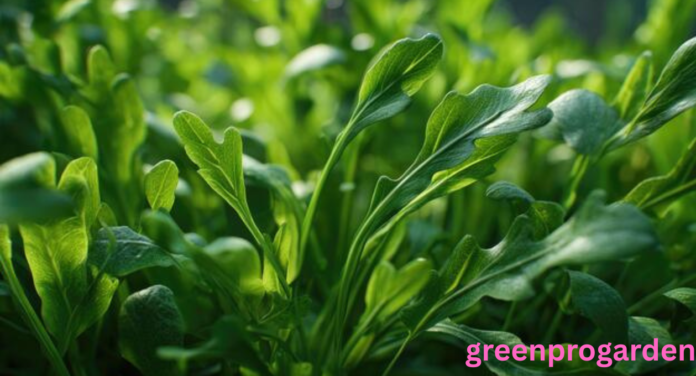
Arugula, also known as rocket, has become one of the most popular leafy greens in modern kitchens. Its peppery flavor, rich nutrients, and versatility make it a favorite ingredient in salads, sandwiches, pizzas, and gourmet dishes. However, many restaurants, grocery stores, and consumers are now facing an unexpected problem: an arugula shortage.
The shortage has affected food suppliers worldwide, leading to rising prices and limited availability. From climate issues to supply chain disruptions, several factors are contributing to the decline in arugula production. This blog explores the causes of the arugula shortage, its impact on consumers and businesses, and what the future may hold for this beloved green.
What Is Causing the Arugula Shortage?
Extreme Weather Conditions
One of the biggest reasons behind the arugula shortage is unpredictable weather. Arugula grows best in cool temperatures, but recent heatwaves, droughts, and storms have damaged crops in major farming regions.
Farmers in areas known for leafy green production have struggled with:
- Excessive heat that causes crops to wilt
- Heavy rainfall leading to flooding
- Drought conditions reducing water availability
- Sudden temperature changes affecting growth cycles
Because arugula has a short growing season and delicate leaves, even minor climate changes can significantly reduce yields.
Supply Chain Problems
Global supply chains continue to experience disruptions due to transportation delays, labor shortages, and increased fuel costs. Fresh produce like arugula depends on quick delivery because it spoils rapidly.
When shipping delays occur, suppliers may lose large portions of their harvest before products reach stores. This results in lower availability and higher prices for consumers.
Increased Consumer Demand
Healthy eating trends have boosted demand for leafy greens, especially arugula. More people are choosing organic salads, plant-based diets, and fresh ingredients, causing demand to rise faster than supply.
Restaurants and meal delivery services also use arugula extensively in gourmet recipes. As demand continues to grow, farms are struggling to keep up with production needs.
How the Shortage Is Affecting Consumers
Rising Prices
One of the most noticeable effects of the arugula shortage is higher prices at grocery stores and restaurants. Consumers are paying significantly more for small packages of fresh greens than they did a few years ago.
Some restaurants have even removed arugula-based dishes from their menus because the ingredient has become too expensive or difficult to source consistently.
Limited Availability
Shoppers may notice empty shelves or reduced quantities in produce sections. Organic arugula is especially difficult to find because organic farming requires stricter growing conditions and lower pesticide use.
In some regions, stores are limiting purchases to ensure more customers have access to available supplies.
Quality Concerns
Due to limited supply, some distributors are shipping arugula that may not be as fresh as usual. Consumers have reported shorter shelf life, wilted leaves, and reduced flavor quality.
Because arugula is highly perishable, even slight transportation delays can affect freshness by the time it reaches households.
The Impact on Restaurants and Food Businesses
Menu Changes
Restaurants that rely heavily on arugula are adapting by replacing it with alternatives such as spinach, kale, or mixed greens. While these substitutes can work in some dishes, they do not fully replicate arugula’s distinctive peppery taste.
Chefs are being forced to redesign recipes and adjust menus based on ingredient availability.
Higher Operating Costs
Food businesses are paying more to secure fresh produce supplies. Increased costs affect profit margins, especially for small restaurants and cafes already dealing with inflation and rising operational expenses.
Some businesses are choosing to absorb the extra costs, while others are passing price increases on to customers.
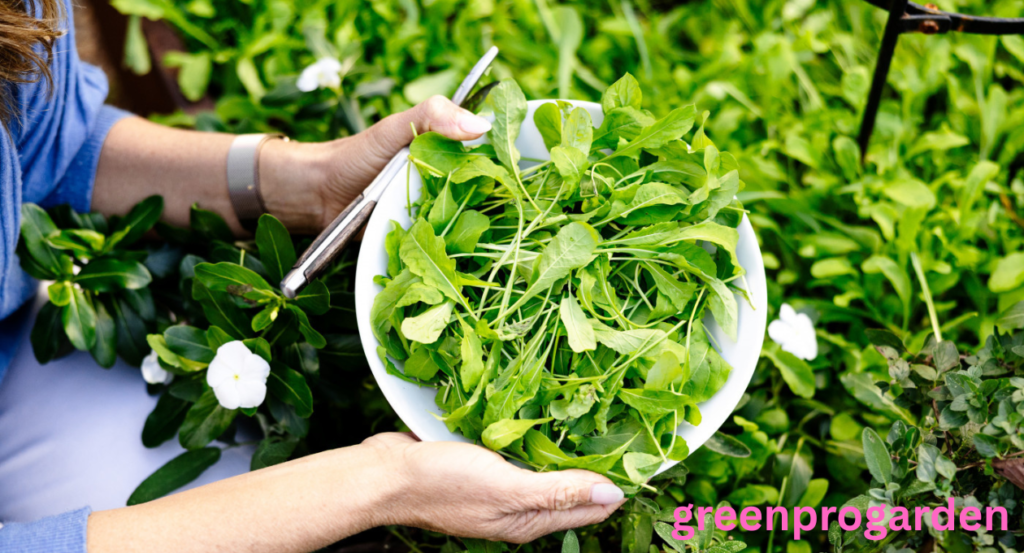
Possible Alternatives to Arugula
Spinach
Spinach is one of the most common substitutes for arugula. It has a milder taste but works well in salads, smoothies, and sandwiches.
Watercress
Watercress offers a peppery flavor similar to arugula and can be used in salads and garnishes.
Kale
Kale provides a nutrient-rich alternative that is widely available and more resistant to harsh growing conditions.
Mixed Greens
Many consumers are turning to spring mix blends that include various lettuces and leafy greens as a replacement for pure arugula.
Can the Arugula Supply Recover?
Improvements in Farming Technology
Farmers are increasingly investing in greenhouse farming, hydroponics, and climate-controlled agriculture to protect crops from extreme weather. These methods can help stabilize arugula production in the future.
Local Farming Initiatives
Local farms and urban agriculture projects are also helping reduce dependence on long-distance transportation. Buying locally grown produce may improve freshness and reduce supply chain risks.
Seasonal Recovery
Experts believe supply may gradually improve as growing conditions stabilize. However, climate uncertainty means shortages could continue to occur periodically in the coming years.
Conclusion
The arugula shortage highlights the growing challenges facing the global food industry. Climate change, transportation issues, and rising consumer demand are all placing pressure on fresh produce supplies.
While consumers may experience higher prices and limited availability for now, innovation in agriculture and local farming efforts could help restore supply over time. In the meantime, exploring alternative greens and supporting local farmers can help ease the impact of the shortage.
As food systems continue to evolve, the arugula shortage serves as an important reminder of how delicate and interconnected our agricultural supply chains truly are.
Faqs
What is causing the arugula shortage?
The arugula shortage is mainly caused by extreme weather conditions, supply chain disruptions, labor shortages, and increasing consumer demand for leafy greens.
Why has arugula become so expensive?
Prices have increased because lower crop yields and transportation challenges have reduced supply while demand remains high.
Is the arugula shortage affecting all countries?
Yes, many countries are experiencing reduced availability, especially regions that rely on imported produce or face climate-related farming challenges.
Are there good substitutes for arugula?
Yes, spinach, watercress, kale, and mixed greens are popular alternatives that can replace arugula in many recipes.
Why does arugula spoil so quickly?
Arugula has delicate leaves and high moisture content, making it highly perishable during storage and transportation.

