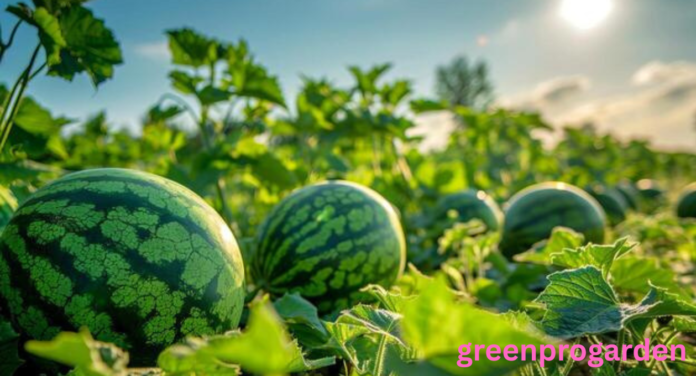
Watermelon is one of the most popular fruits enjoyed during the warm summer months. Known for its refreshing taste, high water content, and nutritional benefits, it is a staple at picnics, barbecues, and family gatherings. However, in recent years, many regions have experienced a watermelon shortage, leading to higher prices and reduced availability. This shortage has raised concerns among consumers, retailers, and farmers alike.
Watermelon Shortage
A watermelon shortage occurs when demand exceeds supply, making it difficult for markets and retailers to stock enough fruit to meet consumer needs. Several factors can contribute to this imbalance, ranging from adverse weather conditions to transportation challenges and changing agricultural practices.
The shortage can affect both local and international markets, depending on the scale of production issues and global demand trends.
Major Causes of the Watermelon Shortage
Extreme Weather Conditions
One of the primary causes of watermelon shortages is unfavorable weather. Watermelons require warm temperatures, sufficient sunlight, and adequate water to grow successfully. Droughts, floods, hurricanes, and unexpected cold spells can significantly reduce crop yields.
For example, prolonged drought conditions can limit water availability for irrigation, while excessive rainfall can damage crops and increase the risk of plant diseases. These weather-related challenges often result in fewer watermelons reaching the market.
Rising Production Costs
Farmers face increasing costs for seeds, fertilizers, labor, fuel, and equipment. As production expenses rise, some growers may reduce the acreage dedicated to watermelon cultivation or switch to more profitable crops. This reduction in planting can contribute to lower overall supply.
Higher production costs also translate into increased retail prices, making watermelons more expensive for consumers.
Labor Shortages
Agricultural labor shortages have become a growing concern in many countries. Watermelon farming requires workers for planting, maintenance, harvesting, and packaging. When farms struggle to find enough labor, productivity can decline, leading to reduced output.
Labor shortages can also delay harvesting, causing quality issues and increasing crop losses.
Transportation and Supply Chain Disruptions
Modern food supply chains depend heavily on efficient transportation networks. Fuel price increases, trucking shortages, port congestion, and logistical challenges can all impact the movement of watermelons from farms to stores.
Even when harvests are strong, supply chain disruptions can create localized shortages and empty shelves in supermarkets.
Impact on Consumers
Higher Prices
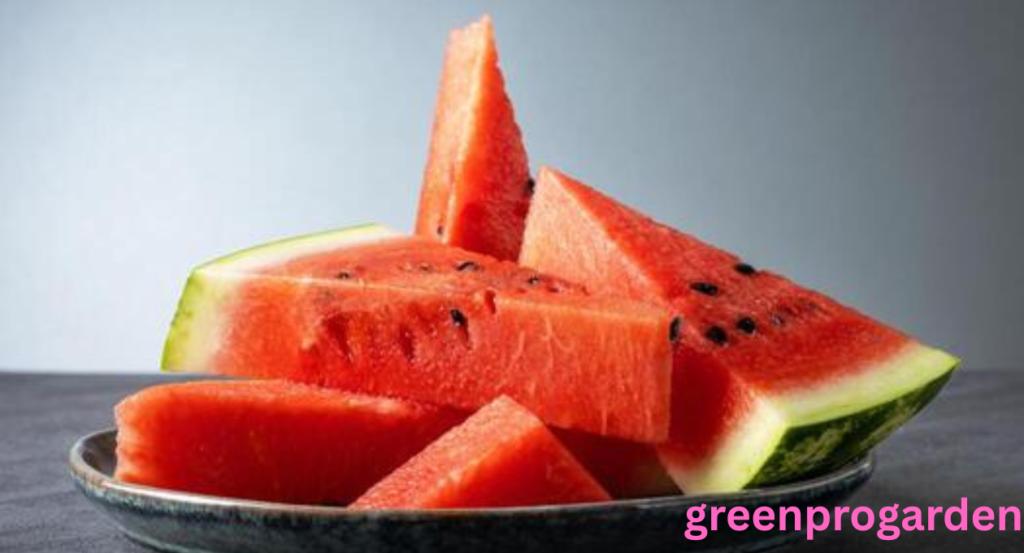
One of the most noticeable effects of a watermelon shortage is rising prices. When supply decreases and demand remains high, retailers often increase prices to reflect the limited availability. Consumers may find themselves paying significantly more for a fruit that is typically considered affordable.
Reduced Availability
Shoppers may notice fewer watermelons in grocery stores, farmers’ markets, and wholesale outlets. Some retailers may even impose purchasing limits during severe shortages to ensure fair distribution among customers.
Limited Variety
Watermelon shortages can also affect the variety available in stores. Consumers may find fewer options, such as seedless watermelons, mini watermelons, or specialty varieties, as suppliers prioritize the most common and profitable types.
Impact on Farmers and Retailers
Financial Challenges for Farmers
While higher prices may seem beneficial for growers, shortages often result from poor harvests. Reduced production can lead to lower overall revenue, especially when crop losses are severe. Farmers may also face increased expenses related to weather recovery, pest control, and irrigation.
Retail Inventory Issues
Retailers depend on consistent product availability to satisfy customers. A watermelon shortage can force stores to seek alternative suppliers, pay higher wholesale prices, or reduce promotional activities. These adjustments can affect profitability and customer satisfaction.
Potential Solutions to Address the Shortage
Improved Agricultural Practices
Farmers can adopt advanced irrigation systems, climate-resilient crop varieties, and precision farming techniques to improve productivity and reduce vulnerability to weather-related challenges.
Investment in Supply Chains
Strengthening transportation infrastructure and logistics networks can help reduce delays and improve the efficient distribution of watermelons. Better supply chain management can minimize losses and improve market availability.
Government and Industry Support
Agricultural support programs, research initiatives, and financial assistance can help farmers adapt to changing environmental and economic conditions. These efforts can contribute to a more stable watermelon supply in the long term.
Conclusion
The watermelon shortage is a complex issue influenced by weather conditions, rising production costs, labor challenges, and supply chain disruptions. Its effects are felt throughout the agricultural sector, from farmers and retailers to everyday consumers. While shortages can lead to higher prices and limited availability, strategic investments in farming technology, infrastructure, and industry support can help address these challenges. By understanding the causes behind watermelon shortages, consumers can better appreciate the factors that influence the availability of one of summer’s most beloved fruits.
Faqs
Why is there a watermelon shortage?
A watermelon shortage can occur due to several factors, including extreme weather conditions, droughts, floods, labor shortages, rising production costs, and supply chain disruptions. These challenges can reduce crop yields and limit the availability of watermelons in the market.
How does a watermelon shortage affect consumers?
Consumers may experience higher prices, reduced availability, and fewer watermelon varieties in grocery stores and local markets. In some cases, retailers may limit purchases during severe shortages.
Are watermelon shortages seasonal?
Yes, watermelon shortages can sometimes be seasonal, especially if growing regions experience unfavorable weather during planting or harvesting periods. However, larger supply chain issues can extend shortages beyond a single season.
Will watermelon prices increase during a shortage?
Typically, yes. When supply decreases and demand remains steady or increases, retailers often raise prices to reflect the limited availability of watermelons.
What weather conditions impact watermelon production?
Watermelons grow best in warm, sunny conditions. Droughts, excessive rainfall, hurricanes, floods, and unexpected cold temperatures can damage crops and reduce yields.

