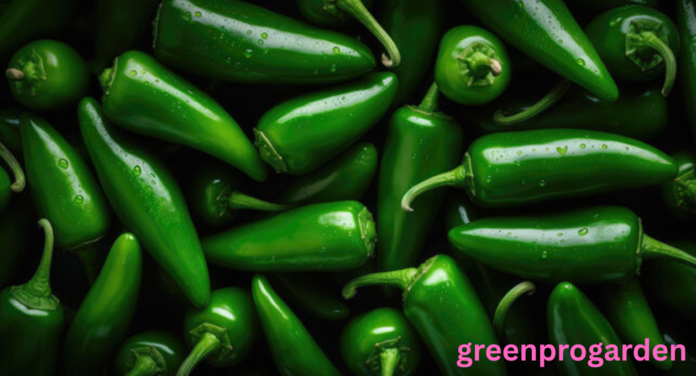
Jalapeños are among the most popular chili peppers in the world, adding heat and flavor to everything from nachos and tacos to sauces and snacks. However, recent reports of a jalapeño shortage have raised concerns among consumers, restaurants, and food manufacturers. As supply struggles to keep up with demand, many people are wondering what caused the shortage and how long it might last.
Understanding the Jalapeño Shortage
A jalapeño shortage occurs when the supply of jalapeño peppers falls below market demand. This imbalance can lead to higher prices, limited availability in grocery stores, and challenges for food businesses that rely on the pepper as a key ingredient.
While shortages can occur for various agricultural products, jalapeños are particularly vulnerable because they depend on specific growing conditions and a stable supply chain. When disruptions occur, the effects can quickly spread across the food industry.
What Is Causing the Jalapeño Shortage?
Several factors have contributed to the current shortage, creating a perfect storm for producers and consumers alike.
Extreme Weather Conditions
Weather plays a crucial role in pepper production. Jalapeños thrive in warm temperatures, but extreme heat, droughts, heavy rainfall, and unexpected storms can significantly reduce crop yields.
In major growing regions such as Mexico and parts of the United States, unusual weather patterns have damaged crops and delayed harvests. Reduced production means fewer peppers reach markets, resulting in supply shortages.
Supply Chain Disruptions
Global supply chains continue to face challenges from transportation delays, labor shortages, and rising fuel costs. Even when farmers successfully grow jalapeños, getting them to processing facilities, wholesalers, and retailers can become difficult.
Transportation bottlenecks can increase costs and reduce the freshness of products, making it harder for businesses to maintain consistent inventory levels.
Labor Shortages in Agriculture
Harvesting jalapeños often requires manual labor. Many agricultural regions have struggled to find enough workers during peak growing seasons.
When labor shortages occur, farmers may not be able to harvest crops efficiently, leading to lower market supply and potential food waste. This issue has affected not only jalapeños but also many other fruits and vegetables.
Rising Demand for Spicy Foods
Consumer interest in spicy foods has grown dramatically over the past decade. Jalapeños have become a staple ingredient in fast food, gourmet cooking, packaged snacks, and international cuisine.
As demand continues to rise, even minor production setbacks can create noticeable shortages. Food manufacturers and restaurants often compete for limited supplies, driving prices even higher.
How the Shortage Affects Consumers
The jalapeño shortage has direct consequences for everyday shoppers.
Higher Grocery Prices
One of the most noticeable effects is increased prices. When supply decreases and demand remains strong, retailers often raise prices to reflect market conditions.
Consumers may find fresh jalapeños costing significantly more than usual, especially during peak shortage periods.
Limited Product Availability
Many grocery stores may experience temporary stock shortages. Customers could encounter empty shelves or restrictions on the quantity they can purchase.
Some stores may also substitute jalapeños with other pepper varieties when supplies become limited.
Changes in Food Products
Manufacturers that produce salsa, hot sauces, chips, and frozen foods may adjust recipes due to limited jalapeño availability. In some cases, companies use alternative peppers to maintain production levels.
Although these substitutions help meet demand, they can slightly alter flavor profiles that consumers have come to expect.
Impact on Restaurants and Food Businesses
Restaurants are particularly vulnerable to ingredient shortages because consistency is essential for customer satisfaction.
Menu Adjustments
Many restaurants rely on jalapeños for signature dishes. During shortages, chefs may reduce portion sizes, replace jalapeños with other peppers, or temporarily remove certain menu items.
These changes can affect customer experiences and increase operating costs.
Increased Operating Expenses
Higher ingredient costs force businesses to spend more on food supplies. Smaller restaurants with limited budgets often feel the impact more severely than larger chains.
To offset rising expenses, some establishments may increase menu prices, which can influence consumer spending habits.
Possible Alternatives to Jalapeños
Fortunately, several peppers can serve as substitutes when jalapeños are unavailable.
Serrano Peppers
Serrano peppers offer a similar flavor with a higher heat level. They are commonly used in salsas and sauces as a jalapeño replacement.
Fresno Peppers
Fresno peppers have a fruity taste and moderate heat. Their appearance is similar to jalapeños, making them a popular alternative.
Anaheim Peppers
For those seeking less heat, Anaheim peppers provide a milder option while still delivering a pleasant pepper flavor.
When Will the Jalapeño Shortage End?
Predicting the exact duration of a jalapeño shortage is difficult because agricultural production depends on numerous variables. Improved weather conditions, stronger harvests, and more stable supply chains could help restore normal availability.
Industry experts generally expect supply conditions to improve as new growing seasons begin and farmers adapt to changing market conditions. However, future weather events and ongoing labor challenges may continue to influence production levels.
Conclusion
The jalapeño shortage highlights the complexity of modern food systems and the challenges facing agricultural producers worldwide. Factors such as extreme weather, labor shortages, supply chain disruptions, and growing consumer demand have all contributed to reduced availability and higher prices.
While consumers may face temporary inconveniences, alternative pepper varieties can help fill the gap until supplies recover. As the agricultural industry works to address these challenges, understanding the causes behind the shortage can help shoppers and businesses make informed decisions and adapt to changing market conditions.
Faqs
Why is there a jalapeño shortage?
The jalapeño shortage is primarily caused by adverse weather conditions, supply chain disruptions, labor shortages in agriculture, and increasing consumer demand for spicy foods. These factors have reduced production and limited market supply.
Are jalapeños completely unavailable?
No, jalapeños are not completely unavailable. However, some grocery stores and food suppliers may experience temporary shortages or limited stock, depending on their location and supplier network.
How long will the jalapeño shortage last?
The duration of the shortage depends on future harvests, weather conditions, and supply chain improvements. In most cases, supply is expected to stabilize as new crops enter the market.
Why have jalapeño prices increased?
Prices rise when demand exceeds supply. Reduced crop yields and transportation challenges have made jalapeños more expensive to produce and distribute, leading to higher retail prices.
What peppers can replace jalapeños?
Popular substitutes include serrano peppers, Fresno peppers, Anaheim peppers, and poblano peppers. Each offers a different level of heat and flavor but can work well in many recipes.

