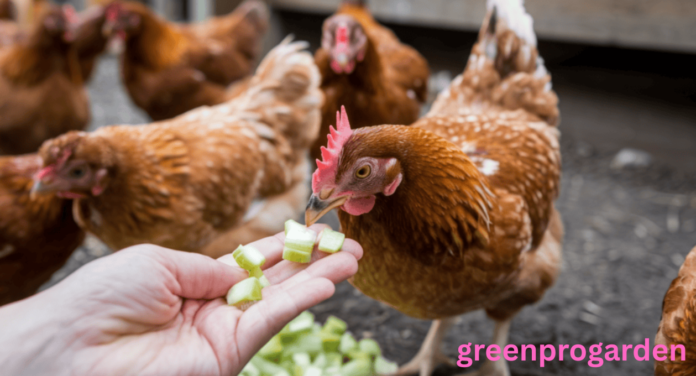
If you raise backyard chickens, you have probably wondered whether certain vegetables are safe for your flock. One common question is: can chickens have celery? The good news is that celery is generally safe for chickens and can be a healthy addition to their diet when offered properly. However, there are a few important considerations to keep in mind before feeding celery to your birds.In this guide, we’ll explore the benefits of celery for chickens, how to serve it safely, potential risks, and best feeding practices.
Is Celery Safe for Chickens?
Yes, chickens can eat celery. Both the stalks and leaves are safe and non-toxic for chickens. Celery contains several nutrients that can support overall health and provide variety in their diet.
Many chicken keepers use celery as an occasional treat alongside other vegetables and fruits. While chickens may enjoy pecking at celery, it should not replace their primary feed, which is specifically formulated to meet their nutritional requirements.
Why Chickens Like Celery
Chickens are naturally curious foragers and enjoy exploring different textures and flavors. Celery offers a crunchy texture that many chickens find entertaining to peck and shred.
The leafy tops of celery are often especially attractive to chickens because they resemble the greens they would naturally forage in the wild.
Nutritional Benefits of Celery for Chickens
Celery contains several nutrients that can contribute to a healthy diet.
Vitamins and Minerals
Celery provides:
- Vitamin A
- Vitamin C
- Vitamin K
- Potassium
- Folate
- Calcium in small amounts
These nutrients support immune function, bone health, and overall well-being.
Hydration Support
Celery is made up of approximately 95% water. During hot weather, feeding celery can help chickens stay hydrated while providing a refreshing snack.
Although fresh water should always be available, water-rich vegetables like celery can offer additional hydration benefits.
Low-Calorie Treat
Unlike some treats that contain excessive sugar or fat, celery is low in calories. This makes it a healthier option for chickens that enjoy occasional snacks.
How to Feed Celery to Chickens
While celery is safe, preparation is important.
Chop Celery into Small Pieces
One of the biggest concerns when feeding celery is its stringy texture. Long celery fibers can be difficult for chickens to swallow and digest.
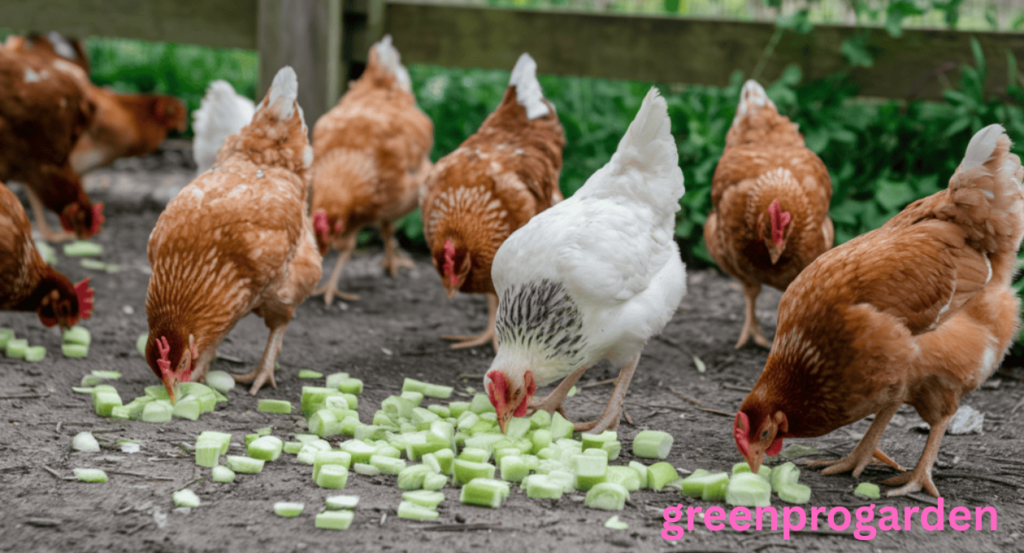
To reduce this risk:
- Cut celery into small bite-sized pieces.
- Remove excessively tough strings when possible.
- Offer manageable portions.
Smaller pieces are easier for chickens to consume safely.
Offer Fresh Celery
Fresh celery is the best choice. Wash it thoroughly to remove dirt, pesticides, or chemical residues before feeding it to your flock.
Organic celery can be a good option if available, but washing remains important regardless of how it was grown.
Mix with Other Vegetables
Many chicken owners combine celery with other healthy vegetables such as:
- Lettuce
- Kale
- Cucumber
- Carrots
- Spinach
Creating a mixed vegetable snack can encourage natural foraging behavior and provide a broader range of nutrients.
Can Chickens Eat Celery Leaves?
Yes, celery leaves are completely safe for chickens. In fact, some chickens prefer the leafy tops over the crunchy stalks.
Benefits of Celery Leaves
Celery leaves contain many of the same nutrients found in the stalks and can serve as an excellent source of plant material.
Hanging celery leaves inside the coop or run can also provide enrichment by encouraging pecking and activity.
Potential Risks of Feeding Celery
Although celery is generally safe, moderation and proper preparation are important.
Choking Hazards
The stringy fibers in celery can pose a choking risk if large pieces are offered. Cutting celery into smaller portions significantly reduces this concern.
Always observe your flock when introducing new foods.
Nutritional Imbalance
Treats should only make up a small portion of a chicken’s diet. Too many treats can reduce consumption of balanced poultry feed, which contains the essential nutrients chickens need for egg production, growth, and health.
A common guideline is to keep treats below 10% of a chicken’s overall diet.
Spoiled Vegetables
Never feed moldy, rotten, or spoiled celery to chickens. Decaying vegetables can harbor harmful bacteria and fungi that may cause illness.
Remove uneaten vegetables from the coop before they spoil.
Other Healthy Vegetables for Chickens
If your flock enjoys celery, there are many other vegetables they may like as well.
Leafy Greens
Excellent options include:
- Kale
- Spinach
- Romaine lettuce
- Swiss chard
- Collard greens
These greens provide valuable vitamins and minerals.
Crunchy Vegetables
Chickens often enjoy:
- Cucumber
- Zucchini
- Bell peppers
- Carrots
These vegetables offer texture and variety while supporting a balanced diet.
Best Practices for Feeding Treats
To keep your chickens healthy, follow these simple guidelines:
Feed Treats in Moderation
Treats should supplement—not replace—a complete poultry feed.
Introduce New Foods Gradually
Offer small amounts of celery initially and observe your chickens for any unusual reactions.
Maintain Fresh Water Access
Always ensure chickens have access to clean, fresh water, especially when feeding dry or fibrous foods.
Conclusion
So, can chickens have celery? Absolutely. Celery is a safe, nutritious, and hydrating treat that many chickens enjoy. Both the stalks and leaves can be offered, provided they are washed thoroughly and cut into small pieces to minimize choking risks. While celery provides vitamins, minerals, and hydration, it should only be given as an occasional treat alongside a balanced poultry diet. By feeding celery responsibly, you can add variety to your chickens’ meals while supporting their overall health and well-being.
Faqs
1. Can chickens eat celery safely?
Yes, chickens can safely eat celery. Both the stalks and leaves are non-toxic and can be offered as an occasional treat when properly prepared.
2. Are celery leaves safe for chickens?
Yes, celery leaves are safe and often preferred by chickens. They contain nutrients and can provide enrichment when hung in the coop or run.
3. Should celery be cut before feeding it to chickens?
Yes. Celery contains stringy fibers that may be difficult for chickens to swallow. Cutting it into small pieces helps reduce choking risks and makes it easier to eat.
4. Can baby chicks eat celery?
Baby chicks can eat very small amounts of finely chopped celery, but their primary diet should consist of chick starter feed to ensure proper growth and development.
5. How often can chickens eat celery?
Celery should be offered occasionally as a treat. Treats should generally make up no more than 10% of a chicken’s overall diet.

