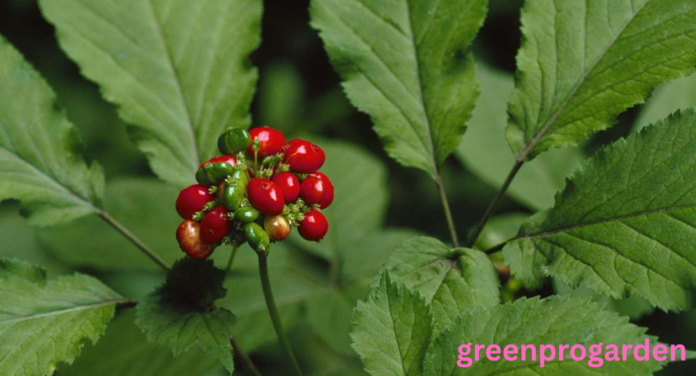
Wild Ginseng Look Alikes is one of the most valuable medicinal plants in the world. Because of its unique appearance and high market value, many people search forests hoping to find it. However, several plants look similar to wild ginseng and are often mistaken for the real thing.
Knowing the difference between wild ginseng and its look alikes is important for foragers, gardeners, and nature lovers.
What Does Wild Ginseng Look Like?
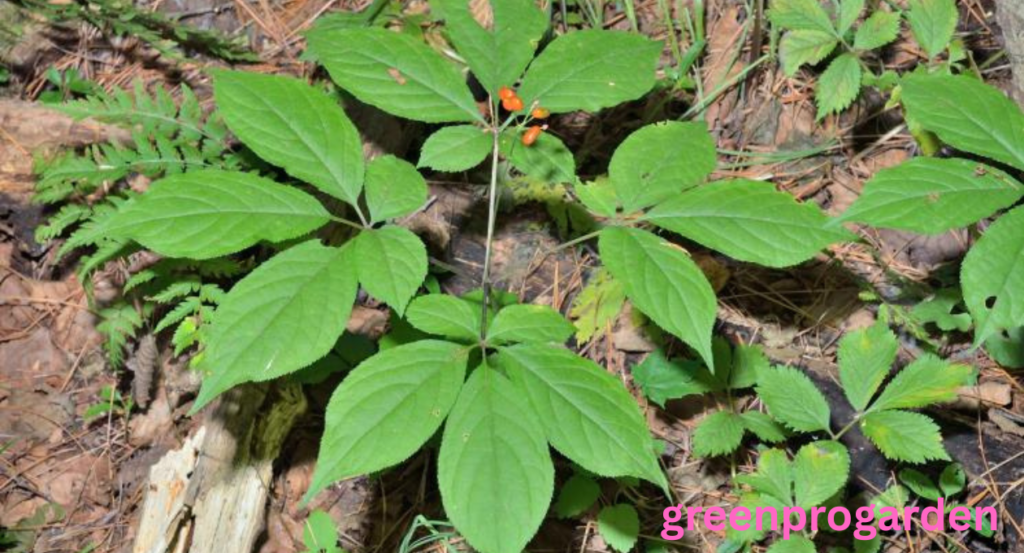
Wild ginseng is a slow-growing perennial plant that usually grows in shaded hardwood forests. It has a light green stem with one to four leaves, called prongs.
Each prong contains five leaflets:
- Three larger leaflets at the end
- Two smaller leaflets near the base
- Red berries appear in late summer
- The root is tan-colored and shaped somewhat like a human body
Key Features of Wild Ginseng
- Grows 8 to 18 inches tall
- Produces bright red berries
- Has compound leaves with five leaflets
- Prefers shady, moist forests
- Develops a thick, wrinkled root over time
Understanding these features makes it easier to avoid confusing ginseng with other plants.
Virginia Creeper
Virginia creeper is one of the most common wild ginseng look alikes.
At first glance, its leaves seem almost identical because they also consist of five leaflets. However, Virginia creeper is actually a climbing vine rather than a small herbaceous plant.
How to Tell It Apart
- Grows as a vine that climbs trees and fences
- Leaflets are attached to a central point
- Produces dark blue berries instead of red berries
- Has tendrils that help it climb
If the plant is climbing or spreading across the ground, it is not wild ginseng.
Ohio Buckeye Seedlings
Young Ohio buckeye trees are often confused with ginseng because their leaves resemble the characteristic five-leaflet arrangement.
However, buckeye seedlings eventually grow into large trees.
Identification Tips
- Leaves are arranged opposite each other
- Stems are thicker than ginseng stems
- No clusters of red berries
- Leaves are larger and broader
Checking the stem arrangement is one of the easiest ways to distinguish buckeye from ginseng.
Poison Ivy
Poison ivy is another plant people occasionally mistake for wild ginseng, especially when the leaves are young.
While poison ivy usually has three leaflets, some mature leaves appear more complex and can confuse inexperienced foragers.
Differences Between Poison Ivy and Ginseng
- Poison ivy usually has three leaflets
- Leaf edges are often irregular or lobed
- Leaves have a shiny appearance
- Produces white or cream-colored berries
Always avoid touching unknown plants because poison ivy can cause itchy skin rashes.
Dwarf Ginseng
Dwarf ginseng is perhaps the closest look alike to wild ginseng.
Despite its name, dwarf ginseng belongs to a different plant family and does not have the same medicinal value.
Main Differences
- Much smaller in size
- Produces white flowers earlier in spring
- Has tuber-like roots
- Leaves are thinner and more delicate
Dwarf ginseng grows in similar forest habitats, making it easy to confuse with young wild ginseng.
Jack-in-the-Pulpit
Jack-in-the-pulpit is a woodland plant found in many of the same forests as wild ginseng.
Its young leaves can resemble ginseng leaves, but the plant develops a distinctive flower structure.
Identification Features
- Produces a hooded flower called a spathe
- Leaves are divided into three groups
- Forms clusters of bright red berries
- Stem structure is very different from ginseng
Once mature, Jack-in-the-pulpit becomes much easier to identify.
Wild Sarsaparilla
Wild sarsaparilla is another plant commonly mistaken for wild ginseng.
Its leaf arrangement and woodland habitat create confusion among beginner foragers.
How to Identify Wild Sarsaparilla
- Leaves are larger than ginseng leaves
- Flowers grow in separate clusters beneath the leaves
- Produces dark purple berries
- Roots are long and spreading rather than thick and forked
The berries are one of the easiest ways to distinguish it from true ginseng.
Why Correct Identification Matters
Mistaking a look alike for wild ginseng can lead to disappointment and may even harm local ecosystems.
Wild ginseng is protected in many areas because overharvesting has reduced natural populations. Harvesting the wrong plant can damage native species unnecessarily.
Benefits of Proper Identification
- Protects rare plant species
- Prevents accidental harvesting
- Improves foraging skills
- Helps preserve forest biodiversity
- Increases confidence when exploring nature
Learning plant identification takes time, but it is a valuable skill for anyone interested in wild plants.
Tips for Identifying Wild Ginseng
Before harvesting or collecting any plant, carefully examine its characteristics.
Look for These Signs
- Count the number of leaflets.
- Check whether the plant grows upright or as a vine.
- Examine berry color.
- Look at stem arrangement.
- Observe the surrounding habitat.
Taking photographs and comparing them with field guides can also help confirm identification.
Conclusion
Wild ginseng is a fascinating and valuable plant, but several species closely resemble it. Virginia creeper, Ohio buckeye seedlings, poison ivy, dwarf ginseng, Jack-in-the-pulpit, and wild sarsaparilla are among the most common wild ginseng look alikes.
By paying attention to leaf shape, berry color, stem arrangement, and growth habits, you can confidently tell these plants apart. Whether you are a beginner or an experienced forager, proper identification is essential for protecting both yourself and the natural environment.
FAQs
What plant is most often mistaken for wild ginseng?
Virginia creeper is one of the most commonly mistaken plants because it also has five leaflets.
Does wild ginseng always have red berries?
Mature wild ginseng usually produces bright red berries in late summer, although young plants may not produce berries.
Is dwarf ginseng the same as wild ginseng?
No. Dwarf ginseng belongs to a different plant family and does not have the same medicinal properties.
Can poison ivy look like wild ginseng?
Yes, beginners sometimes confuse poison ivy with ginseng, especially when the leaves are young.

