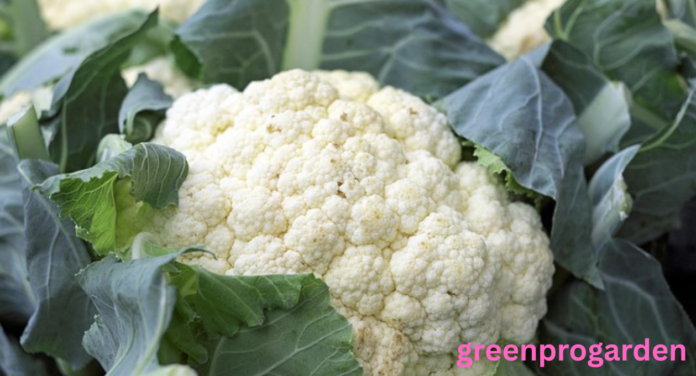
Cauliflower is one of the most popular vegetables worldwide. It is used in soups, curries, salads, rice substitutes, and many low-carb recipes. However, consumers and retailers occasionally experience a cauliflower shortage, leading to higher prices and limited availability in stores.
A cauliflower shortage can occur for several reasons, including extreme weather, pests, supply chain issues, and changing consumer demand. Understanding these factors can help consumers prepare for fluctuations in the market.
What Is a Cauliflower Shortage?
A cauliflower shortage happens when the supply of cauliflower is lower than consumer demand. When farmers produce fewer crops or transportation problems delay deliveries, grocery stores may struggle to keep shelves stocked.
Shortages can be local, affecting a single region, or global when major producing countries face production issues.
Signs of a Cauliflower Shortage
Common signs include:
- Rising cauliflower prices
- Empty shelves at supermarkets
- Smaller cauliflower heads available for sale
- Restaurants reducing cauliflower-based menu items
- Increased prices for frozen cauliflower products
Consumers often notice these changes quickly because cauliflower is widely used in everyday cooking.
Main Causes of a Cauliflower Shortage
Several factors can contribute to cauliflower shortages. Most shortages result from a combination of environmental and economic challenges.
Extreme Weather Conditions
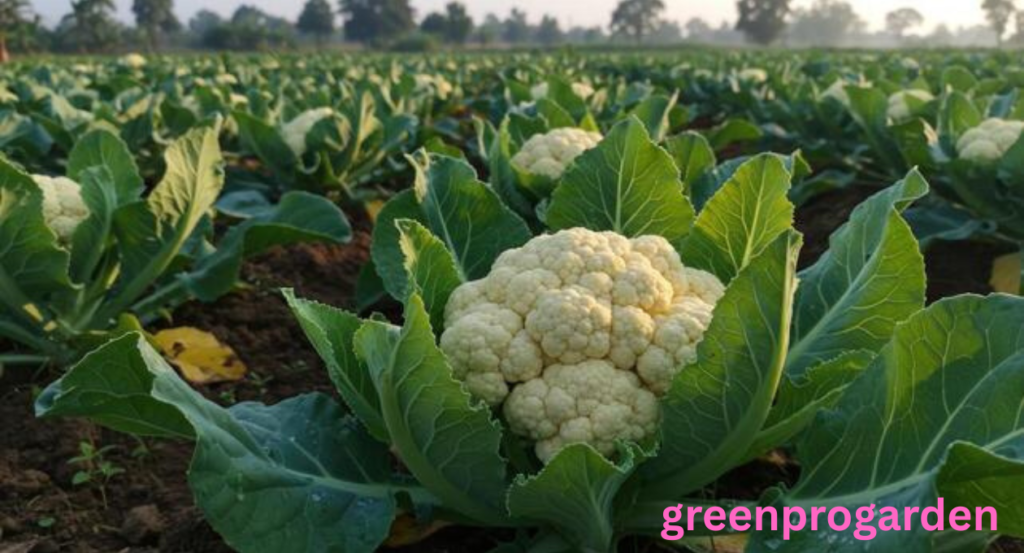
Cauliflower is sensitive to temperature changes. Excessive heat, frost, drought, or heavy rainfall can damage crops and reduce yields.
Hot weather may prevent cauliflower heads from developing properly, while frost can destroy young plants. Flooding may also damage fields and delay planting seasons.
Pest and Disease Problems
Farmers face various pests and diseases that affect cauliflower production.
Common problems include:
- Aphids
- Cabbage worms
- Clubroot disease
- Downy mildew
- Black rot
If pests spread rapidly or diseases infect large areas, crop losses can become significant and contribute to shortages.
Supply Chain Disruptions
Even when harvests are good, cauliflower may become scarce if transportation or distribution systems face problems.
Examples include:
- Truck driver shortages
- Fuel price increases
- Shipping delays
- Labor shortages
- Warehouse disruptions
Supply chain challenges became especially noticeable in recent years as global transportation networks faced unexpected delays.
Increasing Consumer Demand
Demand for cauliflower has increased dramatically over the past decade.
People now use cauliflower in many alternative foods such as:
- Cauliflower rice
- Pizza crusts
- Mashed cauliflower
- Low-carb snacks
- Gluten-free recipes
Why Is Cauliflower So Popular?
Cauliflower is popular because it is:
- Low in carbohydrates
- Rich in vitamins and minerals
- High in fiber
- Suitable for keto diets
- Versatile in cooking
As more consumers choose healthier eating habits, cauliflower demand continues to grow, sometimes putting pressure on supply.
How a Cauliflower Shortage Affects Consumers
Shortages affect both consumers and businesses.
The most obvious impact is higher prices. Grocery stores often raise prices when supplies become limited.
Price Increases
When cauliflower is scarce, prices may increase significantly.
Consumers may notice:
- Higher prices per head
- More expensive frozen cauliflower
- Increased costs for cauliflower rice
- Premium prices at restaurants
People who regularly use cauliflower in their diets may need to look for affordable alternatives during shortage periods.
Limited Availability
Another major effect is reduced availability.
Stores may:
- Limit purchases per customer
- Receive smaller shipments
- Sell smaller cauliflower heads
- Run out of stock frequently
Restaurants and food manufacturers may also reduce cauliflower-based menu items until supply improves.
Impact on Farmers
While higher prices may seem beneficial for farmers, shortages often create financial challenges.
Farmers may lose money due to:
- Reduced harvest yields
- Higher production costs
- Increased pest management expenses
- Weather-related crop damage
- Rising labor costs
Long-Term Farming Challenges
Climate change has made farming more unpredictable.
Farmers increasingly face:
- Irregular rainfall patterns
- Longer droughts
- Extreme heat waves
- Stronger storms
- Changing growing seasons
These challenges can make cauliflower production more difficult and increase the risk of future shortages.
Alternatives During a Cauliflower Shortage
If cauliflower becomes expensive or difficult to find, several vegetables can serve as substitutes.
Popular alternatives include:
Broccoli
Broccoli belongs to the same plant family and has a similar nutritional profile. It works well in soups, casseroles, and roasted dishes.
Cabbage
Cabbage is affordable and versatile. It can replace cauliflower in stir-fries, salads, and many cooked dishes.
Turnips
Turnips are another low-carb option. They can be mashed or roasted similarly to cauliflower.
Brussels Sprouts
Brussels sprouts provide a nutritious alternative and can be roasted or sautéed for a similar texture.
These substitutes help consumers maintain healthy eating habits when cauliflower is unavailable.
Will the Cauliflower Shortage End?
Most cauliflower shortages are temporary.
Farmers often respond by planting more crops, and supply chains usually recover over time. Weather conditions also improve in many regions after difficult growing seasons.
However, future shortages remain possible because agriculture depends heavily on climate, labor availability, and transportation systems.
What Consumers Can Do
To manage shortages, consumers can:
- Buy frozen cauliflower when prices are low
- Try alternative vegetables
- Shop at local farmers markets
- Store cauliflower properly to reduce waste
- Follow seasonal produce trends
Planning ahead can help reduce the impact of temporary shortages.
Conclusion
A cauliflower shortage can result from extreme weather, pest outbreaks, supply chain disruptions, and growing consumer demand. These shortages often lead to higher prices and reduced availability in grocery stores.
Although shortages can be frustrating, they are usually temporary. By understanding the causes and exploring alternative vegetables, consumers can continue enjoying healthy meals while waiting for supplies to recover.
FAQs
Why is there a cauliflower shortage?
A cauliflower shortage can happen due to bad weather, pests, diseases, transportation problems, or increased consumer demand.
Why has cauliflower become expensive?
Cauliflower prices rise when supply decreases or demand increases faster than farmers can produce enough crops.
Is cauliflower shortage permanent?
No. Most cauliflower shortages are temporary and improve as new harvests reach the market.
What vegetables can replace cauliflower?
Broccoli, cabbage, turnips, and Brussels sprouts are excellent substitutes for cauliflower.

