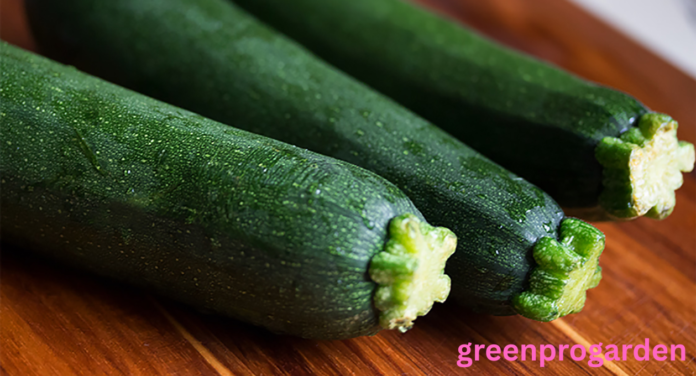
Zucchini is one of the most popular summer vegetables, valued for its mild flavor, versatility, and nutritional benefits. However, shoppers and restaurants occasionally face a zucchini shortage, leading to higher prices and limited availability. These shortages can be frustrating for consumers who rely on zucchini for healthy meals and recipes.
What Is a Zucchini Shortage?
A zucchini shortage occurs when the supply of zucchini is unable to meet consumer demand. As a result, grocery stores may have fewer zucchinis on their shelves, and prices may rise significantly.
Shortages can be temporary, lasting only a few weeks, or they can continue for an entire growing season depending on the underlying causes.
Signs of a Zucchini Shortage
Consumers may notice several signs, including:
- Empty produce shelves.
- Smaller zucchini sizes.
- Increased prices.
- Limited availability of organic zucchini.
- Restaurants removing zucchini-based dishes from menus.
While shortages are often seasonal, unexpected events can worsen supply issues.
Causes of a Zucchini Shortage
Several factors can contribute to a shortage of zucchini. Weather conditions and agricultural challenges are among the most common causes.
Extreme Weather Conditions
Zucchini grows best in warm temperatures with plenty of sunshine and moderate rainfall. Extreme weather can severely affect crop production.
Common weather-related problems include:
- Heavy rainfall causing root rot.
- Drought reducing plant growth.
- Excessive heat damaging flowers.
- Unexpected frost killing young plants.
- Hurricanes disrupting farming operations.
Climate change has increased the frequency of extreme weather events, making vegetable shortages more common.
Plant Diseases
Zucchini plants are vulnerable to several diseases that can destroy entire fields.
Some of the most common diseases include:
Powdery Mildew
This fungal disease appears as white patches on leaves and reduces the plant’s ability to produce healthy fruits.
Mosaic Virus
Mosaic viruses can cause distorted leaves and misshapen zucchinis, reducing both yield and quality.
Downy Mildew
Downy mildew spreads rapidly under humid conditions and may kill plants if left untreated.
When diseases spread across major farming regions, zucchini supplies can drop significantly.
Pest Infestations
Insects can also contribute to zucchini shortages.
Common pests include:
- Squash bugs.
- Aphids.
- Cucumber beetles.
- Squash vine borers.
These pests damage leaves, stems, and fruits, making it difficult for farmers to maintain healthy crops.
Supply Chain Problems
Even when farmers produce enough zucchini, supply chain disruptions can lead to shortages.
Transportation Delays
Fresh vegetables are highly perishable and must reach stores quickly. Transportation issues can delay shipments and reduce available supplies.
Common problems include:
- Truck driver shortages.
- Fuel price increases.
- Shipping delays.
- Labor shortages at distribution centers.
These challenges became especially noticeable during global economic disruptions and continue to affect food distribution.
Rising Production Costs
Farmers are facing higher costs for:
- Seeds.
- Fertilizers.
- Fuel.
- Irrigation.
- Labor.
When production becomes more expensive, some growers reduce planting acreage, which can contribute to lower zucchini supplies.
Seasonal Factors
Zucchini is a seasonal crop in many regions.
Peak Growing Season
In most areas, zucchini grows best during late spring and summer. Supplies are generally abundant during these months.
However, during:
- Late autumn,
- Winter,
- Early spring,
fresh zucchini often depends on imports or greenhouse production.
If imported supplies are disrupted, shortages can occur quickly.
Increased Demand
Demand for zucchini has increased over recent years due to:
- Popular low-carb diets.
- Increased interest in healthy eating.
- The popularity of zucchini noodles.
- Greater use in vegetarian and vegan recipes.
When demand grows faster than production, shortages and price increases become more likely.
Impact of a Zucchini Shortage
A shortage affects more than just grocery shoppers.
Higher Prices for Consumers
The most noticeable effect is increased prices.
Consumers may find that:
- Individual zucchinis cost more.
- Organic varieties become expensive.
- Packaged zucchini products increase in price.
Higher prices may encourage shoppers to seek alternative vegetables.
Challenges for Restaurants
Restaurants often use zucchini in:
- Salads.
- Pasta dishes.
- Grilled vegetable platters.
- Soups.
- Side dishes.
During shortages, restaurants may:
- Raise menu prices.
- Reduce portion sizes.
- Substitute other vegetables.
- Remove zucchini dishes temporarily.
Difficulties for Food Manufacturers
Companies producing frozen vegetables, canned goods, and prepared meals may struggle to secure enough zucchini.
This can lead to:
- Reduced production.
- Higher manufacturing costs.
- Limited product availability.
Alternatives During a Zucchini Shortage
Fortunately, several vegetables can replace zucchini in many recipes.
Yellow Squash
Yellow squash has a similar texture and flavor, making it one of the best substitutes.
Eggplant
Eggplant works well in grilled dishes, casseroles, and roasted vegetable recipes.
Cucumbers
Although usually eaten raw, cucumbers can replace zucchini in salads and cold dishes.
Carrots
Carrots provide a different flavor but are excellent for soups, stir-fries, and baked recipes.
Trying these alternatives can help consumers continue enjoying healthy meals during periods of limited zucchini availability.
Will the Zucchini Shortage End?
Most zucchini shortages are temporary. Farmers often adjust planting schedules, improve disease management, and expand production to meet demand.
Technological advances such as:
- Greenhouse farming,
- Improved irrigation,
- Disease-resistant varieties,
- Precision agriculture,
are helping growers increase yields and stabilize supplies.
However, climate change and global supply chain challenges may continue to create occasional shortages in the future.
Conclusion
A zucchini shortage can result from many factors, including extreme weather, plant diseases, pest infestations, supply chain disruptions, and rising consumer demand. These shortages often lead to higher prices and reduced availability in grocery stores and restaurants.
Fortunately, most shortages are temporary, and farmers continue developing better methods to maintain stable supplies. By understanding the causes of a zucchini shortage and exploring alternative vegetables, consumers can adapt while waiting for supplies to return to normal.
Faqs
1. Why is there a zucchini shortage?
A zucchini shortage can occur due to extreme weather, plant diseases, pest infestations, supply chain disruptions, and increased consumer demand. These factors can reduce production and limit availability in stores.
2. Is the zucchini shortage temporary?
Yes, most zucchini shortages are temporary. Supplies usually improve once the growing season returns or farmers increase production.
3. Why are zucchini prices increasing?
Prices rise when demand is higher than supply. Weather damage, transportation costs, labor shortages, and reduced harvests can all contribute to higher zucchini prices.
4. Which regions are most affected by zucchini shortages?
The impact varies by location. Areas that rely heavily on imported zucchini or regions experiencing poor harvests are often affected the most.
5. What vegetables can replace zucchini?
Good substitutes for zucchini include:
- Yellow squash
- Eggplant
- Cucumbers
- Carrots
- Bell peppers
These vegetables can be used in many of the same recipes.

