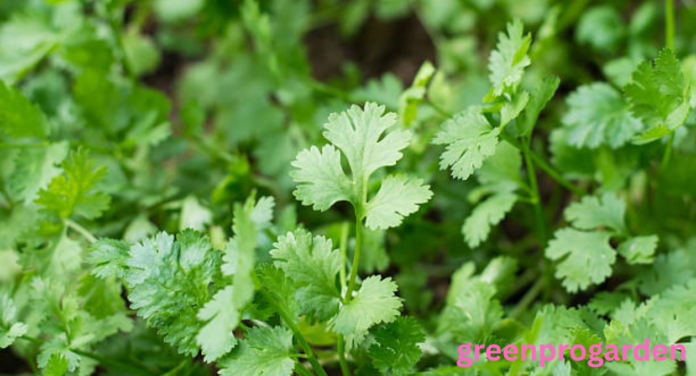
Cilantro is one of the most widely used herbs in the world. From Mexican salsa and Indian chutneys to Asian soups and salads, its fresh flavor adds a unique taste to many dishes. However, in recent years, consumers and restaurants have experienced a growing cilantro shortage in several regions. Rising prices, limited supply, and inconsistent quality have made this once-common herb more difficult to find.
Understanding the causes behind the cilantro shortage can help consumers, chefs, and grocery stores prepare for future supply challenges.
What Is Causing the Cilantro Shortage?
The cilantro shortage is linked to several agricultural and environmental factors. Since cilantro is a delicate crop, even small disruptions can greatly impact production.
Extreme Weather Conditions
Weather plays a major role in cilantro farming. Excessive heat, droughts, heavy rain, or unexpected frost can damage crops quickly.
Heat Damage
Cilantro grows best in cool temperatures. Hot weather causes the plant to bolt, meaning it flowers too early and loses flavor.
Flooding and Storms
Heavy rain can destroy fields and reduce harvest quality, especially in major growing regions.
Drought Conditions
Water shortages make it difficult for farmers to maintain consistent production levels.
Climate change has increased weather unpredictability, making cilantro farming more challenging every year.
Supply Chain Problems
The global food supply chain has also contributed to the cilantro shortage.
Transportation Delays
Fresh herbs spoil quickly during shipping. Delays at ports, border crossings, or distribution centers can reduce the amount of usable cilantro reaching stores.
Labor Shortages
Harvesting cilantro requires manual labor because the herb is delicate and easily damaged. Farm labor shortages have slowed harvesting and packaging operations.
Rising Fuel Costs
Transportation and refrigeration costs continue to increase, making cilantro more expensive for suppliers and retailers.
Regions Most Affected by the Cilantro Shortage
North America
Many cilantro supplies in the United States and Canada come from California and Mexico. Weather problems in these regions often create shortages across North America.
California Crop Challenges
California is one of the largest herb-producing areas in the country. Heat waves and water restrictions have reduced cilantro yields in recent seasons.
Import Difficulties
Shipping delays from Mexico have also affected availability in grocery stores and restaurants.
Restaurants and Food Businesses
Restaurants that rely heavily on cilantro have been forced to adjust menus or raise prices.
Menu Changes
Some restaurants temporarily replace cilantro with parsley or other herbs during shortages.
Increased Ingredient Costs
When cilantro becomes scarce, wholesale prices rise significantly, affecting food business profits.
How Consumers Are Responding
Consumers are finding creative ways to deal with limited cilantro availability.
Growing Cilantro at Home
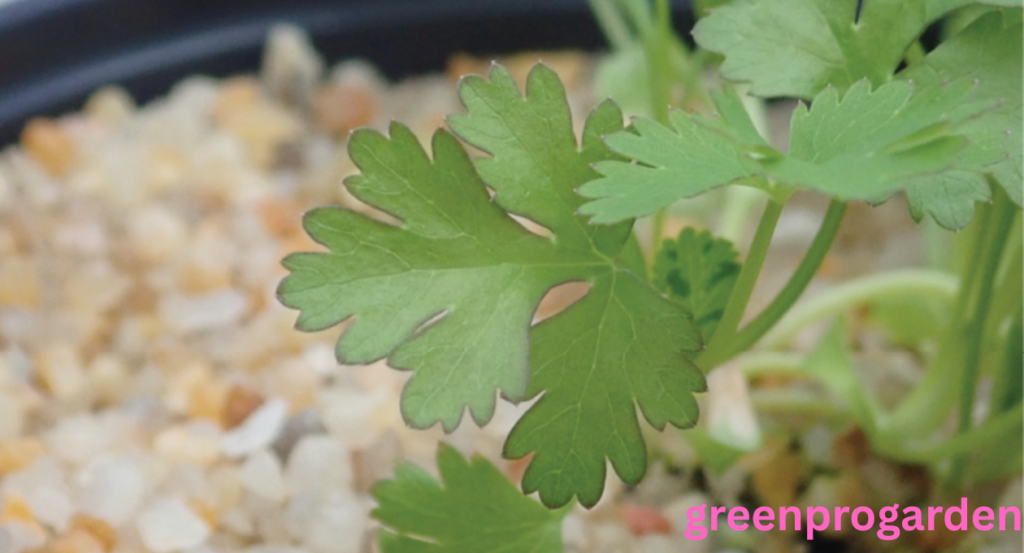
Many people have started growing cilantro in home gardens or containers. Since cilantro grows relatively quickly, it can be a convenient solution for regular cooking needs.
Benefits of Home Gardening
Fresh Supply
Homegrown cilantro provides a steady source of fresh herbs.
Lower Costs
Growing herbs at home can reduce grocery expenses over time.
Better Flavor
Freshly harvested cilantro often tastes better than store-bought herbs.
Using Alternatives
When cilantro is unavailable, cooks sometimes use substitutes such as:
- Parsley
- Culantro
- Basil
- Dill
Although these herbs do not perfectly match cilantro’s flavor, they can still add freshness to recipes.
Will the Cilantro Shortage Continue?
Experts believe cilantro shortages may continue periodically due to climate change, supply chain disruptions, and increasing demand. However, improved farming methods and greenhouse production may help stabilize supplies in the future.
Farmers are also experimenting with heat-resistant cilantro varieties to better handle changing weather conditions.
Conclusion
The cilantro shortage has become a growing concern for consumers, restaurants, and food suppliers worldwide. Factors such as extreme weather, supply chain disruptions, labor shortages, and rising transportation costs have all contributed to limited availability and higher prices. Since cilantro is a delicate herb that depends heavily on stable growing conditions, even small environmental changes can significantly affect production.
Despite these challenges, there are practical solutions for both businesses and home cooks. Growing cilantro at home, using herb substitutes, and supporting local farmers can help reduce the impact of supply shortages. As agricultural technology improves and farmers adopt climate-resistant growing methods, the cilantro market may become more stable in the future.
FAQs
Why is there a cilantro shortage?
The cilantro shortage is mainly caused by extreme weather conditions, transportation delays, labor shortages, and rising farming costs. Heat waves, droughts, and flooding can quickly damage cilantro crops.
Which countries produce the most cilantro?
Major cilantro-producing regions include the United States, Mexico, India, and parts of Central America. California and Mexico are important suppliers for North America.
Why does cilantro spoil so quickly?
Cilantro is a delicate herb with soft leaves and thin stems. It loses freshness rapidly when exposed to heat, moisture, or shipping delays.
Can I grow cilantro at home?
Yes, cilantro grows well in home gardens, pots, and indoor containers. It prefers cool temperatures and regular watering.

