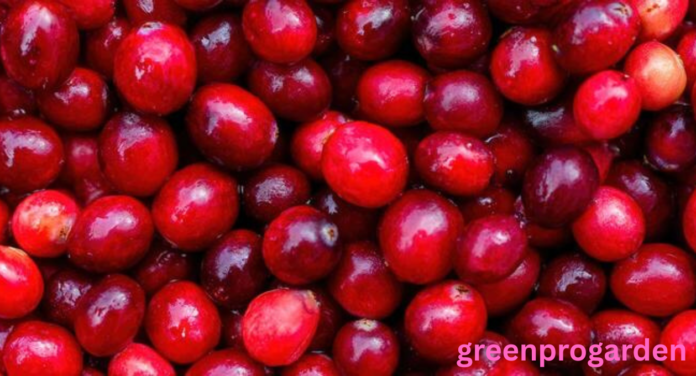
Cranberries are one of the most popular fruits used in juices, sauces, baked goods, and holiday meals. Known for their bright red color and health benefits, cranberries have become a staple in many households worldwide. However, consumers and businesses are now facing a growing cranberry shortage. Rising prices and limited availability have raised concerns about the future of cranberry production. Several factors, including climate change, supply chain disruptions, and increasing demand, are contributing to this issue.
What Is Causing the Cranberry Shortage?
The cranberry shortage is not caused by a single problem. Instead, it is the result of multiple challenges affecting farmers and suppliers across the globe.
Climate Change and Unpredictable Weather
Climate change is one of the biggest reasons behind reduced cranberry production. Cranberries require cool temperatures, clean water, and specific soil conditions to grow properly. Extreme weather events such as droughts, floods, and heatwaves can severely damage cranberry crops.
In some growing regions, warmer temperatures are shortening the harvesting season. Unexpected frosts during the blooming period can destroy flowers before berries develop. Heavy rainfall can also flood cranberry bogs and reduce crop quality. As weather patterns continue to change, cranberry farmers are finding it increasingly difficult to maintain stable production levels.
Declining Farmland for Cranberry Farming
Another major factor is the decrease in farmland dedicated to cranberries. Many farmers are switching to crops that provide faster or higher profits. Cranberry farming requires significant investment in irrigation systems, water management, and labor. When operating costs rise, some growers decide that cranberry production is no longer financially sustainable.
Urban development is also reducing agricultural land in some regions. As cities expand, farmland is often converted into residential or commercial property, leaving fewer areas available for cranberry cultivation.
Supply Chain and Transportation Issues
Global supply chain disruptions have added more pressure to the cranberry industry. Transportation delays, labor shortages, and rising fuel prices have affected the movement of cranberry products from farms to stores.
Packaging materials and fertilizers have become more expensive in recent years. These higher costs impact food manufacturers and retailers, which eventually leads to higher prices for consumers. In some areas, grocery stores may experience delayed shipments or limited cranberry stock during peak seasons.
Growing Demand for Cranberry Products
While production challenges continue, consumer demand for cranberries has increased significantly. People are becoming more health-conscious and are choosing foods rich in vitamins and antioxidants. Cranberries are widely known for supporting urinary tract health, boosting immunity, and providing essential nutrients.
Popularity of Healthy Foods
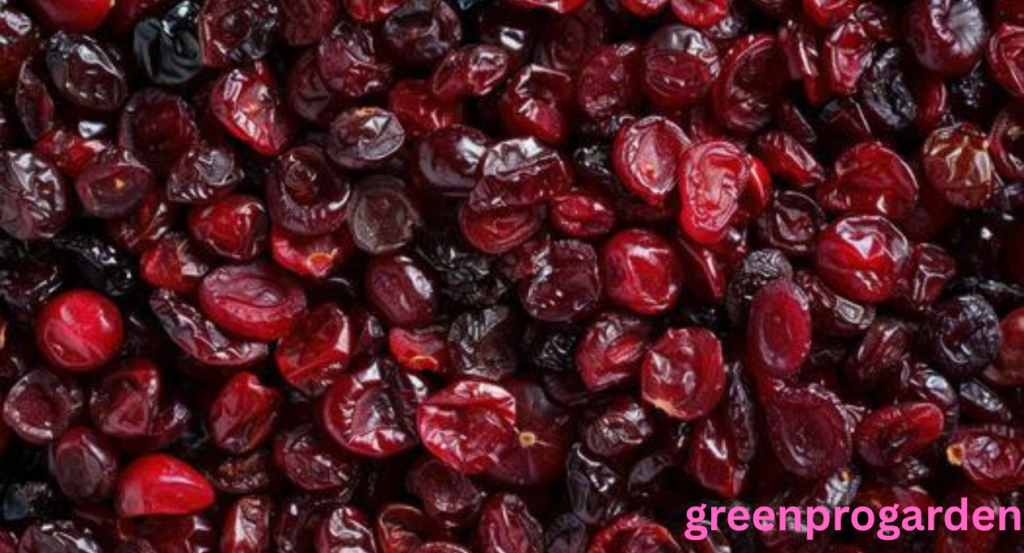
The global health and wellness trend has increased demand for natural fruit products, including cranberry juice, dried cranberries, and dietary supplements. As more consumers seek healthier food options, the pressure on cranberry supplies continues to rise.
Restaurants, cafes, and food manufacturers also use cranberries in seasonal products and recipes. This growing popularity creates additional competition for limited supplies.
Holiday Demand Increases Pressure
The shortage becomes especially noticeable during the holiday season. Cranberry sauce is a traditional dish served during Thanksgiving and Christmas celebrations in many countries. Food companies and retailers often struggle to keep up with demand during these months.
Consumers may notice empty shelves, higher prices, or smaller packaging sizes. Some businesses are even forced to limit cranberry-based products due to supply shortages.
How Farmers and Industries Are Responding
Despite the challenges, cranberry farmers and agricultural experts are working on solutions to improve future production.
Sustainable Farming Practices
Many growers are investing in sustainable farming methods to protect cranberry crops from environmental changes. Improved irrigation systems, water conservation techniques, and soil management practices can help farmers maintain healthier bogs and increase crop resilience.
Researchers are also developing cranberry varieties that can better tolerate extreme weather and plant diseases. These innovations may help stabilize production over time.
Government and Industry Support
Agricultural organizations and governments are providing financial support, research funding, and training programs for cranberry farmers. These initiatives aim to encourage sustainable farming and reduce the long-term impact of climate change on the industry.
What Consumers Can Do
Consumers can also play a role in supporting the cranberry industry. Buying locally grown produce, reducing food waste, and supporting sustainable agriculture can help farmers continue production. People can also explore alternative fruits such as cherries, raspberries, or pomegranates when cranberries are unavailable.
Conclusion
The cranberry shortage is a growing issue caused by climate change, shrinking farmland, supply chain disruptions, and rising consumer demand. While the shortage has created challenges for both businesses and shoppers, farmers and researchers are actively working toward long-term solutions. Sustainable farming practices and industry support may help improve cranberry production in the future. Until then, consumers may continue to experience higher prices and limited availability, especially during peak holiday seasons.
Faqs
What is causing the cranberry shortage?
The cranberry shortage is mainly caused by climate change, extreme weather conditions, supply chain disruptions, rising farming costs, and increasing consumer demand. These factors have reduced cranberry production and affected global supply.
Why are cranberry prices increasing?
Cranberry prices are rising because production costs have increased. Farmers face higher expenses for labor, fertilizer, transportation, and packaging. Limited supply combined with strong demand also pushes prices higher.
Which countries produce the most cranberries?
The largest cranberry producers are the United States and Canada. Regions such as Wisconsin and Massachusetts are especially known for cranberry farming.
How does climate change affect cranberry farming?
Cranberries require cool temperatures and stable water conditions. Droughts, floods, heatwaves, and unexpected frosts can damage cranberry bogs and reduce harvest yields.
Are cranberry products becoming harder to find?
Yes, in some areas consumers may notice fewer cranberry products on store shelves, especially during holiday seasons when demand is highest.

